Corporate Update: Jinjiang Shipping Expands Fleet Through Newbuild Contracts
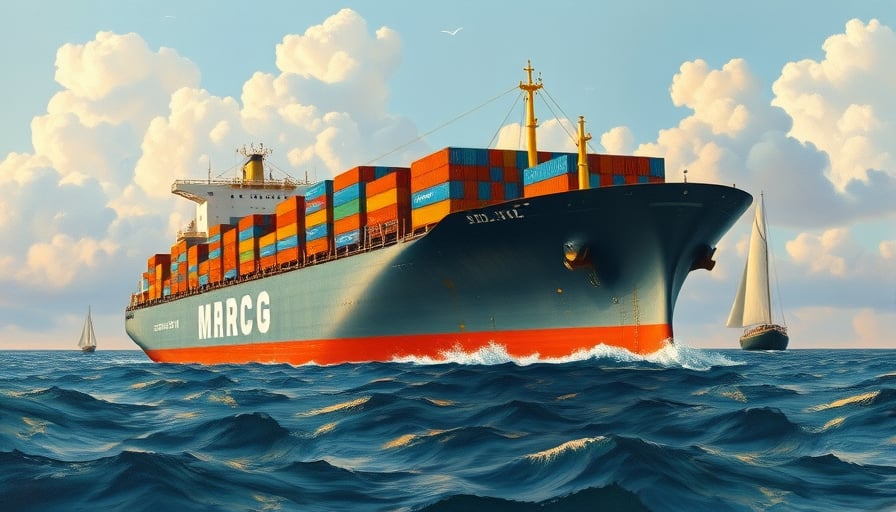
Jinjiang Shipping, a Shanghai‑listed container carrier, has advanced its strategic fleet development by securing newbuild contracts for a series of 1,900‑TEU boxships from Jiangsu New Yangzijiang Shipbuilding. The carrier, which is controlled by Shanghai International Port Group (SIPG), has entered into agreements for four vessels, with an option to procure an additional four of the same type. These contracts represent a significant capital investment and demonstrate the company’s commitment to expanding its capacity within the global container shipping market.
Manufacturing Processes and Industrial Equipment
The 1,900‑TEU vessels are constructed using modular fabrication techniques that reduce build time and improve quality control. Jiangsu New Yangzijiang Shipbuilding employs advanced automation, including robotic welding and digital twin simulation, to ensure that structural integrity meets international safety standards. The use of high‑strength low‑alloy (HSLA) steel in the hull construction enhances load‑carrying capacity while maintaining weight efficiency—critical for fuel‑economy performance.
Key equipment upgrades integrated into these new builds include:
- Integrated bow thrusters that improve maneuverability in congested ports, thereby reducing idle time and fuel consumption.
- High‑efficiency propulsion systems based on dual‑fuel (LNG/LPG) engines, aligning with IMO 2020 sulfur‑limit compliance and projected future emission regulations.
- Automated ballast control systems that optimize cargo distribution and minimize trim variations, enhancing vessel stability.
The adoption of these technologies not only improves operational reliability but also positions Jinjiang Shipping to capitalize on emerging market opportunities such as “green shipping” incentives and regulatory compliance mandates.
Capital Investment Trends and Economic Drivers
The procurement of four 1,900‑TEU vessels, with an option for four more, underscores a broader trend of capital expenditure in the heavy‑industry shipping sector. Global trade growth, particularly within Asia‑Pacific trade corridors, has spurred demand for larger, more efficient containers. Shipping lines are increasingly investing in fleet renewal to offset aging assets and to secure competitive advantages through lower per‑TEU operating costs.
Economic factors influencing this capital allocation include:
- Rising freight rates during periods of supply‑chain strain, which improve revenue prospects for carriers with newer, fuel‑efficient vessels.
- Government subsidies for LNG‑powered propulsion, reducing the cost of ownership over the vessel lifecycle.
- Currency fluctuations that affect the cost of international financing and the pricing of shipbuilding contracts in local versus global markets.
Jinjiang Shipping’s alignment with SIPG’s strategic vision allows it to leverage shared expertise in port logistics and integrated supply-chain solutions, thereby justifying the investment in modern fleet assets.
Supply Chain Impacts
The newbuild program will have cascading effects throughout the supply chain:
- Raw Material Demand: Increased steel and alloy consumption will benefit local steel producers and suppliers of composite materials for hull coatings and insulation.
- Component Manufacturers: Suppliers of propulsion components, electrical systems, and ballast control hardware stand to benefit from long‑term contracts associated with these vessels.
- Logistics Providers: Enhanced port capacity and improved vessel turnaround times will reduce hinterland congestion, benefiting trucking and rail freight operators.
Moreover, the integration of advanced automation in shipbuilding necessitates collaboration with technology firms specializing in robotics, IoT sensors, and digital twin modeling—creating new partnership opportunities across the industrial ecosystem.
Regulatory Landscape and Infrastructure Spending
Regulatory developments continue to shape investment decisions in the shipping industry:
- IMO 2025 Sulphur Cap and GHG Emission Reductions: The shift towards low‑sulphur fuels and the introduction of the IMO 2025 GHG strategy compel carriers to adopt greener technologies, such as LNG engines and hull‑streamlining techniques.
- Port Infrastructure Modernization: Many Chinese ports are investing in larger berth capacities and automated cargo handling systems to accommodate larger container ships, thereby supporting the deployment of 1,900‑TEU vessels.
- Domestic Energy Policies: China’s emphasis on clean energy sources encourages the adoption of LNG propulsion, providing a favorable policy environment for Jinjiang Shipping’s newbuild strategy.
These regulatory pressures, coupled with significant public and private investment in port and rail infrastructure, create a conducive environment for expanding shipping capacity while maintaining compliance with evolving environmental standards.
Market Implications and Productivity Metrics
The introduction of four additional 1,900‑TEU ships is projected to increase Jinjiang Shipping’s TEU capacity by approximately 7,600 units, elevating the company’s position within the competitive landscape. Expected productivity gains include:
- Fuel Efficiency: Improved hull form and propulsion systems aim to reduce fuel consumption by 5–8 % per voyage compared to older vessels.
- Operating Margins: Lower crew requirements and automation in cargo handling are projected to cut operating costs by up to 3 % annually.
- Asset Utilization: Increased vessel speed (up to 22 kn) and optimized route planning can enhance vessel utilization rates, potentially raising revenue per TEU.
These metrics will be monitored closely as part of the carrier’s performance assessment, informing future investment cycles and strategic decisions.
Jinjiang Shipping’s newbuild initiative exemplifies how capital-intensive decisions in heavy industry are driven by a confluence of technological innovation, regulatory imperatives, and macroeconomic trends. By integrating advanced manufacturing processes and sustainable propulsion technologies, the carrier positions itself to deliver higher productivity, lower environmental impact, and enhanced market competitiveness in the evolving container shipping arena.