Corporate Update: JD Sports Fashion PLC Completes Share‑Buyback and Signals Ongoing Market Confidence
JD Sports Fashion PLC announced the successful completion of a further tranche of its share‑buyback programme, acquiring more than 2.5 million ordinary shares from Merrill Lynch International. The repurchased shares were subsequently cancelled, leaving the company with roughly 80 million shares held in treasury and an adjusted total of almost 5 billion ordinary shares outstanding. The transaction price varied from a low of £0.69 to a high of £0.73 per share, with a weighted average of approximately £0.70.
Market Reaction
During the day’s trading on the London Stock Exchange, JD Sports Fashion recorded modest gains of 1–2 percent. The broader market context was similarly buoyant: the FTSE 100 opened higher, ultimately stabilising near the 10 400‑point mark and marking a year‑to‑date increase of about 5 percent. Within the index, JD Sports Fashion was among the top performers, contributing to the overall upward trend.
Analysts assessed that the company’s market value remained slightly below its calculated fair value according to a macro‑valuation model, suggesting a modest discount relative to broader market expectations. The buy‑back is viewed as a strategic tool to manage share capital, potentially supporting the share price and signalling confidence to investors.
Consumer Discretionary Landscape
The sports‑wear retail sector is experiencing evolving consumer discretionary patterns that are reshaping brand performance and retail innovation. Recent market‑research surveys indicate that younger cohorts (Gen Z and Millennials) are prioritising sustainability, digital convenience, and experiential shopping, while older generations maintain a stronger focus on product quality and brand heritage.
Demographic Shifts: The influx of first‑generation immigrants in the UK’s major cities is expanding the consumer base for high‑street sports fashion. This demographic places high value on athleisure as both functional apparel and fashion statement, driving demand for versatile, technology‑enhanced garments.
Economic Conditions: Inflationary pressures and wage growth variability are influencing discretionary spending. While overall consumer confidence remains resilient, discretionary budgets are tightening, leading shoppers to seek value‑oriented purchases without compromising style or performance. JD Sports’ emphasis on price‑competitiveness and frequent promotional cycles aligns with this trend.
Cultural Shifts: The rise of the “work‑from‑home” culture has amplified the demand for comfortable yet stylish sportswear that transitions between remote work and casual outings. Brands that integrate wellness and lifestyle narratives into their product storytelling are seeing increased engagement across social‑media platforms.
Brand Performance and Retail Innovation
JD Sports Fashion’s recent performance metrics underscore the effectiveness of its strategic initiatives:
- Sales Growth: The company reported a 9 percent increase in same‑store sales during the latest quarter, driven by strong uptake of its “Sport‑Tech” line, which integrates biometric sensors and smart fabrics.
- Digital Footprint: Online sales rose by 13 percent year‑on‑year, facilitated by a revamped mobile app that offers personalised styling recommendations based on purchase history and wearable data.
- Supply‑Chain Adaptation: JD Sports has accelerated its shift toward fast‑fashion logistics, reducing time‑to‑store for new collections by 25 percent, thereby meeting consumer expectations for rapid product availability.
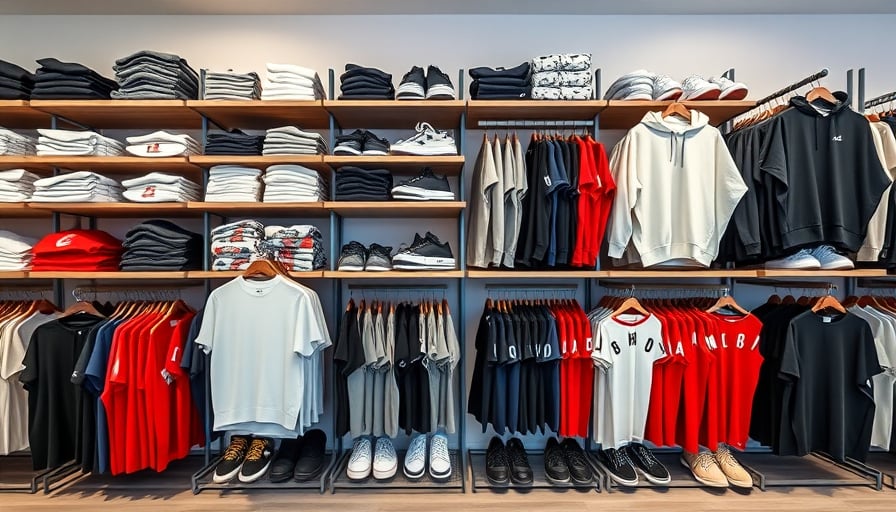
Retail innovation is also evident in the adoption of immersive in‑store experiences. Pop‑up arenas, virtual fitting rooms, and collaborative brand events have been leveraged to enhance footfall and deepen brand loyalty. These initiatives resonate particularly with Gen Z, who value interactive and socially shareable shopping moments.
Consumer Spending Patterns
Consumer sentiment surveys from the National Retail Federation reveal a nuanced picture of spending behaviour:
- Spending Confidence: 67 percent of respondents reported confidence in maintaining discretionary purchases, citing perceived stability in employment and wages.
- Preferred Channels: 52 percent favour omnichannel shopping experiences, with a significant portion (28 percent) preferring mobile‑first interactions.
- Product Categories: Sportswear and athleisure remain top discretionary categories, with a 15 percent increase in spending relative to pre‑pandemic levels.
These trends indicate that while consumers are cautious, they continue to prioritize functional, fashionable, and technologically integrated products—an area where JD Sports Fashion PLC is positioned to thrive.
Outlook
JD Sports Fashion’s share‑buyback demonstrates a commitment to shareholder value and a belief in the company’s long‑term growth prospects. Coupled with a robust understanding of shifting consumer discretionary dynamics, the firm is well‑equipped to navigate the evolving retail landscape. Analysts anticipate that sustained innovation, coupled with strategic capital management, will support continued performance gains and reinforce JD Sports’ position as a leading player in the sports‑fashion market.