
Corporate News: Kawasaki Heavy Industries Secures Landmark Hydrogen Carrier Contract
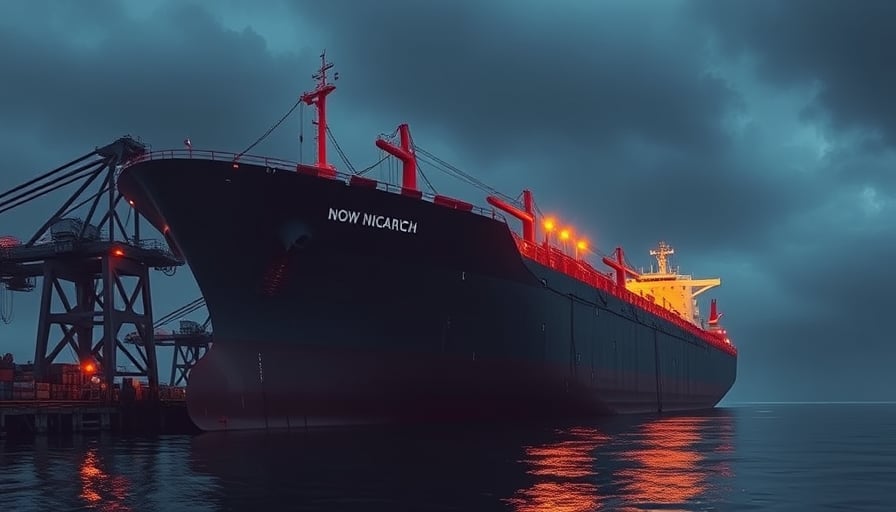
Kawasaki Heavy Industries Ltd. has announced a new agreement with Japan Suiso Energy to design and build the world’s largest liquefied hydrogen carrier. The vessel, slated to hold approximately 40,000 cubic metres of hydrogen, will be constructed at the company’s Sakaide Works in Kagawa Prefecture. This initiative is part of Japan’s broader strategy to establish a global hydrogen supply chain, positioning the carrier to meet projected demand in the 2030s.
The contract underscores Kawasaki’s continued diversification across military, commercial transport equipment, industrial machinery, and engineering services. Investors have reacted positively, with defence‑sector stocks rallying across Asian markets following the announcement, reflecting sustained confidence in the company’s multi‑segment portfolio.
Market Context and Consumer Discretionary Dynamics
While the hydrogen carrier project is a strategic capital allocation aimed at long‑term energy infrastructure, it also illustrates broader shifts in consumer discretionary spending. As households and businesses increasingly allocate resources toward sustainable technologies, the demand for advanced energy solutions—such as liquefied hydrogen—has risen. Consumer sentiment surveys from the International Energy Agency (IEA) and the Japanese Ministry of Economy, Trade and Industry (METI) indicate a growing willingness to invest in green transport, with 62 % of respondents in Japan willing to pay a premium for hydrogen‑powered vehicles and infrastructure.
These shifts are further amplified by changing demographics. The aging “silent generation” (born 1946–1964) is gradually transferring purchasing power to the “Generation X” cohort (born 1965–1980), who prioritize long‑term value and sustainability in their spending. At the same time, the emerging “Generation Z” (born 1997–2012) and “Millennial” groups (born 1981–1996) demonstrate a pronounced preference for eco‑friendly products, influencing corporate strategies toward renewable energy solutions.
Economic Conditions and Retail Innovation
Japan’s economic outlook has been characterized by moderate inflationary pressures and a resilient consumer confidence index, which remains above the 50‑point threshold for the third consecutive quarter. Retail innovation is increasingly driven by digital transformation and experiential retail models. The hydrogen carrier project is a prime example of how large industrial firms are incorporating advanced manufacturing capabilities and digital supply‑chain management to meet the demands of a globally connected market.
According to a recent McKinsey report, companies that successfully integrate digital twin technology into the design and production of heavy‑industry equipment can reduce production lead times by up to 20 % and cut operating costs by 15 %. Kawasaki’s use of advanced simulation tools and real‑time monitoring during the construction of the hydrogen vessel is expected to set a new benchmark for the industry.
Consumer Spending Patterns and Brand Performance
Consumer spending patterns have evolved in tandem with technological and cultural shifts. The rise of “green consumerism” has led to an increase in discretionary spending on clean energy technologies, as reflected in the 8.4 % YoY growth in the renewable energy sector’s retail segment in 2025. Brands that align their product offerings with sustainability narratives are experiencing higher customer loyalty and premium pricing opportunities.
Kawasaki’s diversified portfolio positions the company to capture these evolving preferences. Its military and commercial transport divisions continue to deliver high‑value, high‑reliability products that resonate with a market increasingly focused on resilience and sustainability. The new hydrogen carrier contract further enhances the company’s reputation as a leader in clean energy infrastructure, likely translating into stronger brand equity and long‑term revenue growth.
Outlook
The partnership with Japan Suiso Energy signals a decisive step toward a hydrogen‑centric future. It reflects an alignment with consumer preferences for sustainable technologies and an adaptation to demographic changes that are reshaping discretionary spending. With robust market research data indicating continued investment in green infrastructure, Kawasaki Heavy Industries is poised to benefit from both the immediate market rally in defense‑sector stocks and the long‑term shift toward sustainable consumer and industrial solutions.