Market Context
The Nikkei 225 experienced a notable decline on April 13, slipping roughly one percent by midday. The fall was largely attributed to heightened geopolitical tensions in the Middle East and the looming prospect of a blockade of the Strait of Hormuz. Investor sentiment was further dampened by the escalation of crude‑oil prices above the US$ 100 per barrel threshold, a benchmark that has historically triggered market volatility across the energy sector.
Energy‑Sector Dynamics
Despite the broader market downturn, a handful of Japanese oil‑and‑petrochemical equities displayed resilience. Shares of ENEOS Holdings rose modestly, reflecting the upward pressure on crude prices and the company’s strong upstream and downstream operations. Similar gains were observed in other domestic oil producers, underscoring a short‑term demand‑side lift driven by concerns over supply continuity.
Supply–Demand Fundamentals
- Crude‑Oil Prices: The benchmark price surpassed US$ 100 per barrel, a key support level for oil‑related stocks. The spike was fueled by expectations of potential disruptions in the Strait of Hormuz, which has historically accounted for a significant portion of global oil transport.
- Production Data: While global oil production remained steady, the United States and Saudi Arabia continued to maintain high output levels. Conversely, OPEC+ output cuts were partially offset by the perceived risk of supply constraints in the Middle East.
- Demand Forecasts: Short‑term demand in Asia remained robust, particularly in China and India, where industrial activity continues to rebound post‑pandemic. However, the risk of a protracted supply shock could push demand forecasts downward in the next 12‑18 months.
Technological Innovations
The energy transition continues to accelerate, with several technological breakthroughs impacting both production and storage:
- Enhanced Oil Recovery (EOR): Companies are deploying carbon‑capture‑and‑storage (CCS) integrated EOR methods, allowing them to reduce emissions while increasing recoverable reserves.
- Battery Storage: Japan’s investment in grid‑scale lithium‑ion and flow batteries is expanding, providing flexibility for renewable penetration and mitigating price volatility.
- Hydrogen Infrastructure: The government’s “Hydrogen Roadmap” aims to install 4 GW of electrolyser capacity by 2030, creating new supply channels for low‑carbon fuels.
Regulatory Landscape
Regulatory actions continue to shape the competitive balance between conventional and renewable energy:
- Carbon Pricing: Japan’s corporate carbon tax, effective from 2025, will increase operating costs for fossil‑fuel companies while incentivizing low‑carbon alternatives.
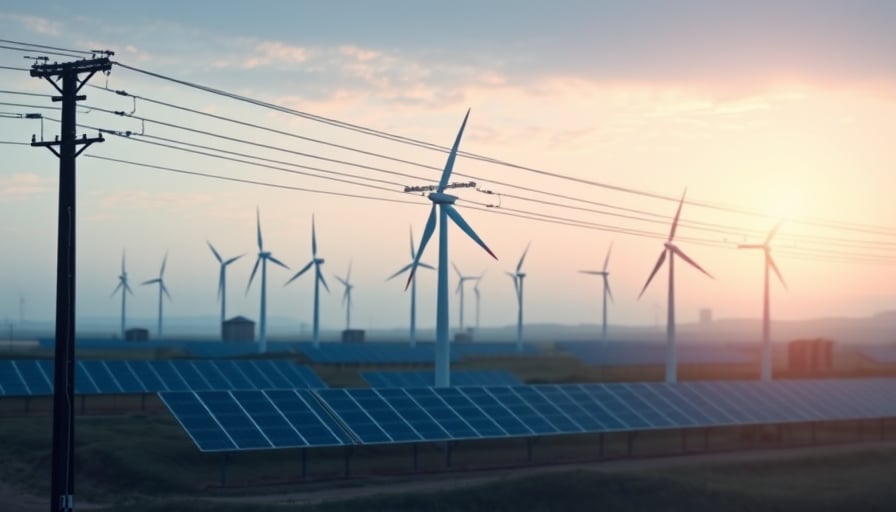
- Renewable Portfolio Standards (RPS): The government has set a target of 36% renewable energy in the national grid by 2030. This shift drives demand for renewable infrastructure investment and affects the valuation of traditional energy firms.
- Shipping Regulations: IMO 2020 sulfur cap and upcoming LNG‑fueled vessel mandates influence freight costs and, by extension, oil transportation economics.
Strait of Hormuz Events
On April 12, two empty supertankers attempted to transits the Strait of Hormuz but made a last‑minute U‑turn following the collapse of negotiations between the United States and Iran. The incident underscored the precarious nature of maritime transit in the region, with a single strategic choke point affecting global supply chains. Nonetheless, one large crude carrier managed to enter the Persian Gulf, indicating that while the strait’s status remained uncertain, some shipping activity persisted.
Market Reaction
The aborted passages heightened market anxiety, prompting a spike in crude‑oil prices. Energy equities in Japan, particularly those with significant upstream exposure, benefited from the price uptick. However, the broader market reaction highlighted the interconnectedness of geopolitical developments and equity performance, emphasizing the importance of supply‑chain resilience in corporate risk assessments.
Long‑Term Energy Transition Trends
While short‑term trading factors—geopolitical risk, commodity price swings, and shipping disruptions—continue to dominate market sentiment, long‑term trends are reshaping the corporate landscape:
- Diversification of Energy Portfolios: Traditional oil majors are investing in renewable generation, energy storage, and carbon‑capture technologies to future‑proof their business models.
- Infrastructure Modernization: Japan’s focus on smart‑grid and hydrogen infrastructure positions the country as a regional hub for clean energy supply chains.
- Regulatory Alignment: Global harmonization of carbon pricing and emissions reporting is creating a level playing field, encouraging investment in low‑carbon technologies across borders.
In summary, the interplay between geopolitical tensions, commodity price dynamics, and regulatory developments is redefining the energy sector’s risk and opportunity profile. Corporate strategies that integrate supply‑chain resilience, technological innovation, and proactive regulatory compliance will be best positioned to navigate this complex landscape.