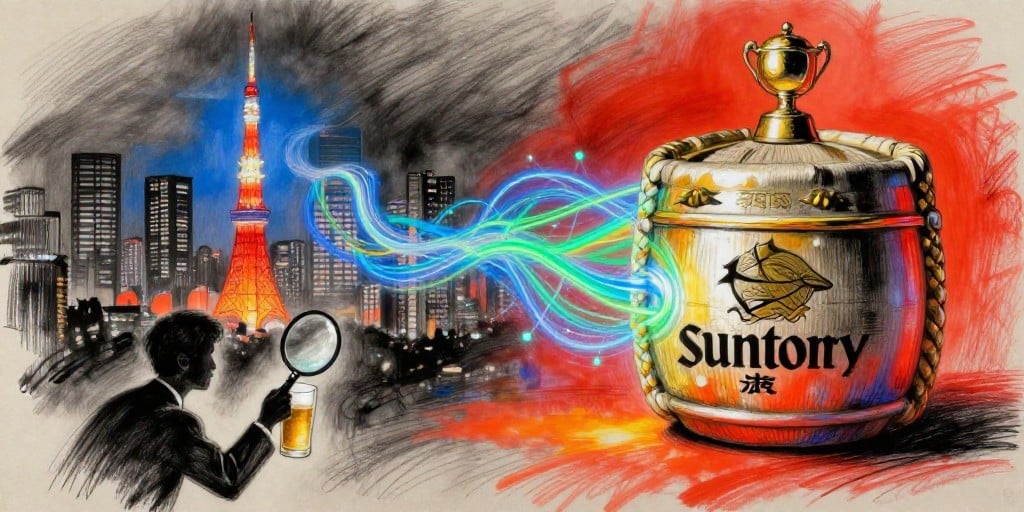
Corporate News – Market Analysis on Japan’s Beer Industry and Suntory’s Spirits Success
Regulatory Investigation and Immediate Market Impact
Japan’s Fair Trade Commission has commenced a comprehensive probe into the pricing practices of the country’s four dominant beer producers: Suntory Spirits, Asahi Breweries, Kirin Brewery, and Sapporo Breweries. The investigation focuses on alleged coordinated price increases spanning several years, a conduct that could breach the nation’s antitrust framework.
In response, Suntory has confirmed full cooperation with the regulator and noted that a definitive assessment of potential financial exposure is still underway. The Commission’s prior on‑site inspections of each firm’s subsidiaries suggest a thorough scrutiny of operational practices and inter‑company communications.
Investor sentiment reacted swiftly; the stock prices of the implicated companies fell in the Tokyo market shortly after the announcement. The dip reflects heightened uncertainty surrounding possible regulatory penalties, litigation costs, and the broader ramifications for pricing strategies within Japan’s beer market.
Omnichannel Retail and Consumer Behaviour in the Beverage Sector
The beer industry’s traditional distribution model—retail, on‑premise, and wholesale—has been progressively disrupted by omnichannel retail strategies. Digital platforms now enable consumers to purchase beer online for home delivery, while retailers invest in mobile apps and loyalty programs that offer personalized promotions.
Recent consumer surveys indicate a shift towards experiential purchasing: consumers seek curated selections, limited‑edition releases, and interactive brand engagements. Consequently, beer companies are increasingly leveraging data analytics to forecast demand, optimize inventory across channels, and tailor marketing campaigns.
The regulatory scrutiny may prompt firms to reassess their pricing frameworks in light of these omnichannel dynamics. Transparent, consumer‑centric pricing can mitigate reputational risks and align with regulatory expectations, thereby preserving market share in a rapidly evolving retail landscape.
Cross‑Sector Patterns and Long‑Term Transformation
When cross‑examining the beer industry with adjacent consumer goods sectors—such as soft drinks, craft spirits, and ready‑to‑drink beverages—several patterns emerge:
| Sector | Short‑Term Market Reaction | Long‑Term Trend |
|---|---|---|
| Beer | Stock sell‑off due to antitrust probe | Shift to flexible, data‑driven pricing |
| Spirits | Awards boost brand equity | Growth of premiumization and niche markets |
| Soft drinks | Stable prices, modest volatility | Emphasis on health‑conscious and functional products |
| Ready‑to‑drink | Consumer adoption rising | Integration of on‑demand delivery services |
These trends illustrate a broader industry transformation where regulatory compliance, consumer insight, and supply‑chain agility converge. The beverage sector is moving from a predominantly commodity‑based model toward a differentiated, experience‑driven paradigm.
Suntory Spirits: Brand Excellence Amidst Regulatory Scrutiny
While the beer division faces regulatory headwinds, Suntory’s spirits arm continues to excel. The Yamazaki 25‑Year‑Old single malt whisky, part of the House of Suntory lineup, secured a prestigious award at the International Spirits Challenge—its fourth consecutive year receiving this honor.
Such accolades reinforce Suntory’s reputation for craftsmanship and quality, a critical differentiator in the premium whisky market. The broader portfolio, including Hakushu and other distillery brands, has garnered multiple recognitions, underscoring the company’s consistency in delivering high‑end products.
The juxtaposition of a regulatory probe with brand triumph underscores the dual challenge for beverage companies: maintaining compliance while sustaining excellence in product quality and consumer perception.
Conclusion
Japan’s Fair Trade Commission investigation into coordinated pricing by the nation’s leading beer producers highlights a pivotal moment for the industry. Short‑term market volatility reflects investor concerns over potential penalties and strategic missteps. However, the broader market dynamics—omnichannel retail, data‑driven pricing, and consumer‑centric innovation—signal a long‑term shift toward more flexible, transparent, and experience‑based business models.
Suntory Spirits exemplifies how a company can navigate regulatory scrutiny while continuing to achieve brand milestones. For stakeholders, the lesson is clear: robust compliance frameworks must coexist with relentless focus on product excellence and consumer engagement to thrive in an increasingly competitive beverage landscape.