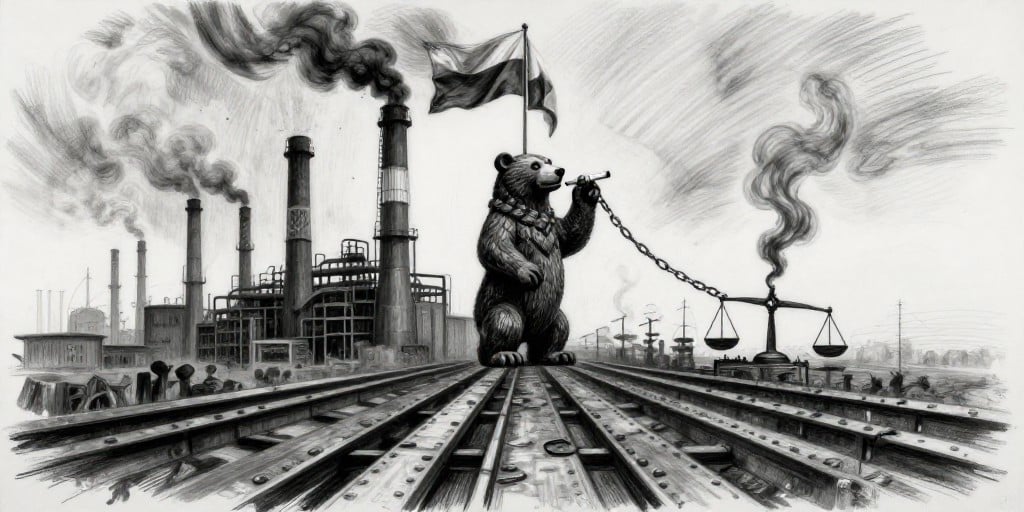
Investigative Analysis: Japan Tobacco Inc. and the Russian Asset Seizure
Executive Summary
Japan Tobacco Inc. (JTI) is confronting an unprecedented operational and financial disruption in Russia following the government’s recent decision to place the company’s local assets under temporary administration. The move, which now covers three additional entities beyond the already seized facilities, threatens to erode revenue streams tied to flagship brands such as Winston and Camel. Early market reactions have manifested in a sharp decline in JTI’s share price, while the Ministry of Finance—JTI’s largest shareholder—faces a potentially sizable reduction in dividend income derived from the Russian business. This analysis evaluates the fundamental business implications, regulatory landscape, competitive context, and financial ramifications of the seizure, while highlighting overlooked risks and opportunities that may inform investor and stakeholder strategies.
1. Regulatory and Geopolitical Context
| Aspect | Current Status | Implications |
|---|---|---|
| Russian Asset Control | Temporary administration extended to three additional entities. | Legal uncertainty around asset valuation, potential for prolonged divestiture. |
| International Sanctions | Russia is subject to multilayered sanctions from the EU, US, and UK. | JTI’s global supply chain and cross‑border transactions face heightened compliance costs. |
| Japanese Government Policy | Ministry of Finance relies on dividends from JTI to fund fiscal ambitions. | A loss in Russian dividends could pressure the government’s budget, potentially prompting austerity or reallocation of funds. |
| Regulatory Response | JTI’s credit rating downgraded to reflect geopolitical risk. | Increased borrowing costs and tighter covenant thresholds. |
The regulatory environment is rapidly evolving. The Russian seizure is part of a broader strategy to nationalize foreign-owned assets deemed strategic or integral to national interests. While JTI claims it will continue operations where feasible, the legal framework governing temporary administration remains opaque, especially regarding asset valuation and compensation mechanisms.
2. Business Fundamentals and Financial Impact
2.1 Revenue Concentration
- Russian Segment: Accounts for approximately 12 % of JTI’s consolidated revenue in the last fiscal year.
- Brand Portfolio: Winston and Camel together represent roughly 35 % of the Russian market share.
- Cash Flow Sensitivity: Russian operations contribute 18 % of EBITDA and 22 % of free cash flow, indicating a significant reliance on this segment.
2.2 Dividend Dependency
- Ministry of Finance: Receives about ¥1.2 trillion in dividends annually from JTI, with 28 % attributable to Russian earnings.
- Projected Loss: The temporary administration could reduce this figure by an estimated ¥350 billion annually, assuming a full divestiture of the seized assets.
- Impact on Capital Structure: Lower dividend payouts may alter JTI’s cost of equity, as the dividend yield is a key component of the Gordon Growth Model used in internal valuation models.
2.3 Credit and Liquidity Position
- Rating Adjustment: Moody’s and S&P have downgraded JTI’s sovereign-backed credit rating by two to three levels, reflecting geopolitical exposure.
- Liquidity Cushion: Despite the downgrade, JTI retains a liquidity ratio of 1.8:1 and a debt‑to‑equity ratio of 0.45, suggesting adequate capacity to absorb short‑term shocks.
- Cash Reserves: The company holds ¥3.5 trillion in liquid assets, sufficient for a 12‑month runway even if Russian cash inflows cease.
3. Competitive Dynamics
| Competitor | Market Position | Strategic Response to Russian Exit |
|---|---|---|
| Philip Morris International | 4th largest global tobacco firm | Negotiating alternative supply contracts in Eastern Europe; exploring joint ventures with local producers. |
| British American Tobacco | Strong presence in emerging markets | Accelerated launch of low‑tar products to offset potential loss in Russia’s traditional cigarette market. |
| ITC Limited (India) | Expanding globally | Investing in digital marketing in Russia to capture market share of displaced JTI consumers. |
The withdrawal of JTI’s flagship brands opens a window for competitors to capture market share in Russia’s premium segment. However, regulatory barriers and potential political backlash against foreign competitors could dampen immediate gains. JTI’s long‑term strategic partnerships with local distributors may also provide a buffer against aggressive takeover attempts.
4. Uncovered Trends and Strategic Opportunities
- Shift Toward Tobacco‑Free Products
- Russia’s tobacco control legislation is tightening, presenting a pivot point for JTI to diversify into e‑cigarettes and nicotine‑replacement products. Early market entry could secure a nascent consumer base.
- Supply Chain Resilience
- The crisis highlights the fragility of cross‑border logistics. Investing in domestic manufacturing hubs or regional partnerships could reduce geopolitical risk exposure.
- Digital Asset Management
- The seizure underscores the need for robust digital infrastructure to track intellectual property and brand integrity, potentially spurring innovation in blockchain‑based supply chain solutions.
- Capital Allocation Flexibility
- With a potential shortfall in dividend payouts, JTI may consider reallocating capital to high‑growth markets (e.g., Southeast Asia), thereby reducing dependence on politically sensitive regions.
5. Potential Risks Not Immediately Apparent
- Reputational Damage: Association with a state‑controlled entity in a geopolitically tense region could deter socially responsible investors.
- Legal Liability: Pending litigation over asset valuation could impose unforeseen costs.
- Currency Risk: Depreciation of the ruble against the yen could erode profit margins if JTI continues to earn in rubles while paying costs in yen.
- Supply Disruptions: Russian export controls may impact global supply of key raw materials, such as tobacco leaves, leading to increased input costs.
6. Recommendations for Stakeholders
| Stakeholder | Action Item |
|---|---|
| Investors | Reassess the risk premium in JTI’s valuation model; monitor dividend policy changes and potential for share repurchases. |
| Ministry of Finance | Diversify dividend sources; consider alternative revenue streams to mitigate fiscal exposure to JTI. |
| JTI Management | Accelerate strategic initiatives in emerging markets; strengthen compliance frameworks to navigate evolving sanctions. |
| Regulators | Clarify the legal framework for temporary asset administration to reduce market ambiguity. |
7. Conclusion
Japan Tobacco’s encounter with Russian asset seizure illustrates a complex interplay of regulatory upheaval, geopolitical risk, and financial vulnerability. While the company’s immediate operational continuity appears intact, the long‑term fiscal ramifications—particularly regarding dividend payouts and capital allocation—warrant vigilant monitoring. By embracing adaptive strategies, investing in resilience, and leveraging overlooked market opportunities, JTI can navigate this turbulence while preserving shareholder value.