Corporate Overview
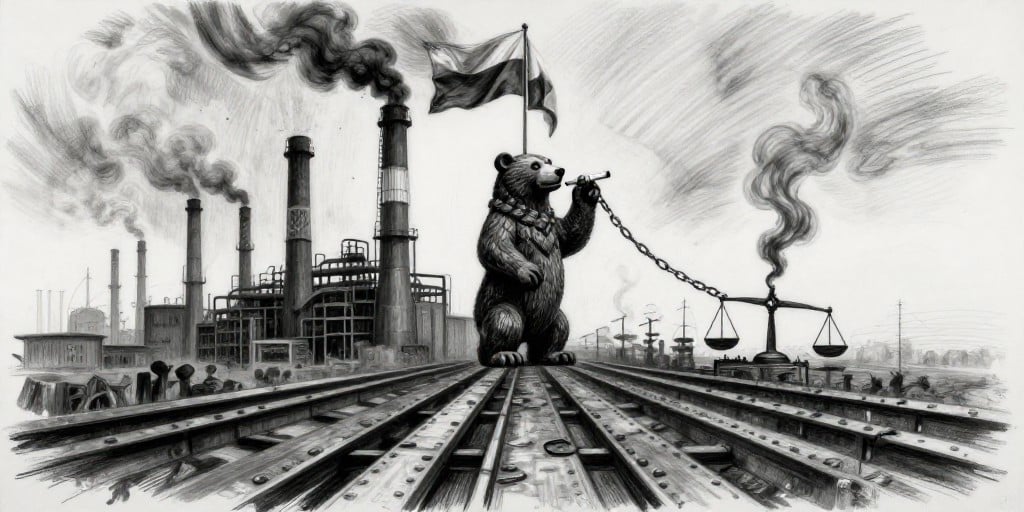
Japan Tobacco Inc. (JT) has confirmed that all entities of its JT Group operating within Russia are now subject to temporary administration. The change follows a decree issued by the Russian government and signed by President Vladimir Putin, which expands the scope of administration to three additional entities. As a result, the company’s Russian assets are now placed under the oversight of Industrial Assets, the state body responsible for managing industrial enterprises.
Operational Status
Despite the administrative takeover, JT reports that day‑to‑day business activities in Russia are continuing as normal. The company’s management is actively evaluating the potential impact of this development on its financial performance and strategic direction in the region. No immediate operational disruptions have been noted, and the firm is maintaining service levels for its customers and partners.
Regulatory Context
The decree reflects heightened regulatory scrutiny within the Russian market. Russia has been tightening controls over foreign-owned enterprises, particularly in sectors that involve consumer products and tobacco. This shift forces foreign companies to reassess their risk exposure and operational models in the country. JT’s decision to proceed cautiously and evaluate its financial implications aligns with broader industry practices in navigating regulatory environments.
Market Implications
Financial Performance The temporary administration is likely to affect JT’s revenue streams and cash flow in Russia. While the company asserts that operations remain uninterrupted, the administrative oversight could lead to increased compliance costs, potential asset restrictions, and delayed capital expenditures.
Strategic Reassessment JT may need to reconsider its long‑term investment plans in Russia, including potential divestments or restructuring of local operations. The company’s management will likely analyze whether continued presence offers sufficient strategic value compared to the regulatory risks.
Competitive Positioning Competitors operating under similar constraints may experience comparable operational challenges. JT’s approach to maintaining continuity while monitoring regulatory developments could influence its competitive stance against domestic and international rivals.
Broader Economic Trends
The move mirrors a broader pattern of regulatory tightening in emerging markets, where governments seek greater control over foreign investment and industrial assets. This trend has implications for multinational corporations that rely on stable operating environments for profitability and growth. Companies are increasingly adopting adaptive strategies, such as diversifying geographic footprints or renegotiating joint‑venture agreements, to mitigate political and regulatory risks.
Conclusion
Japan Tobacco Inc.’s navigation of the Russian administrative decree underscores the importance of rigorous sectoral analysis and flexible strategic planning. While immediate operational continuity appears intact, the long‑term effects on JT’s financial performance and market positioning will depend on how the company adapts to the evolving regulatory landscape and manages its exposure in Russia.