
Corporate News
J Sainsbury PLC released its third‑quarter trading statement on 9 January 2026, reaffirming that its underlying operating profit guidance for the fiscal year remains on track. Sales, excluding fuel, demonstrated a rise over the 16‑week period leading to 3 January, with like‑for‑like growth in the same segment. The company also reported a modest increase in grocery sales during the holiday period, although overall Christmas sales were described as weaker than expected. The announcement came amid a broadly positive market environment, with the FTSE 100 recording modest gains during the day.
Digital‑Physical Synergy in a Shifting Consumer Landscape
The retail sector is witnessing a convergence of digital transformation and physical store experience that is reshaping how consumers interact with brands. Sainsbury’s ability to maintain its operating profit guidance while experiencing growth in non‑fuel sales highlights the effectiveness of its hybrid model. The retailer has invested heavily in omni‑channel capabilities—contactless payment, curbside pickup, and real‑time inventory visibility—which have mitigated the impact of a weaker Christmas period.
As Generation Z and Millennials increasingly favor convenience and personalization, retailers that deliver seamless experiences across touchpoints are positioned for sustained growth. Sainsbury’s integration of data analytics to tailor in‑store layouts and online product recommendations exemplifies this trend, providing a template for other consumer‑facing businesses.
Demographic Shifts and Spending Patterns
The UK’s demographic profile is becoming progressively older, yet the younger cohorts continue to drive discretionary spending. While the 18‑ to 34‑year‑old demographic remains price‑sensitive, their preference for healthy, ethically sourced products is creating premium opportunities in grocery categories. Sainsbury’s modest grocery sales uptick during the holiday season reflects this shift toward value‑perceived offerings rather than sheer volume.
Conversely, the aging population is prioritizing convenience and health‑centric services. The retailer’s expansion of ready‑made meals and in‑store health‑consultation desks aligns with these preferences, signalling a strategic pivot toward services that cater to longer‑term lifestyle needs.
Cultural Movements Fueling Consumer Experience Evolution
Sustainability and social responsibility have emerged as pivotal cultural movements that influence purchasing decisions. Sainsbury’s reported a stronger than anticipated uptake of its “Sainsbury’s Own” sustainable range, a clear indicator that consumers are willing to pay a premium for products that align with environmental values. This trend is expected to accelerate, offering a fertile ground for retailers to diversify supply chains and marketing narratives around transparency and traceability.
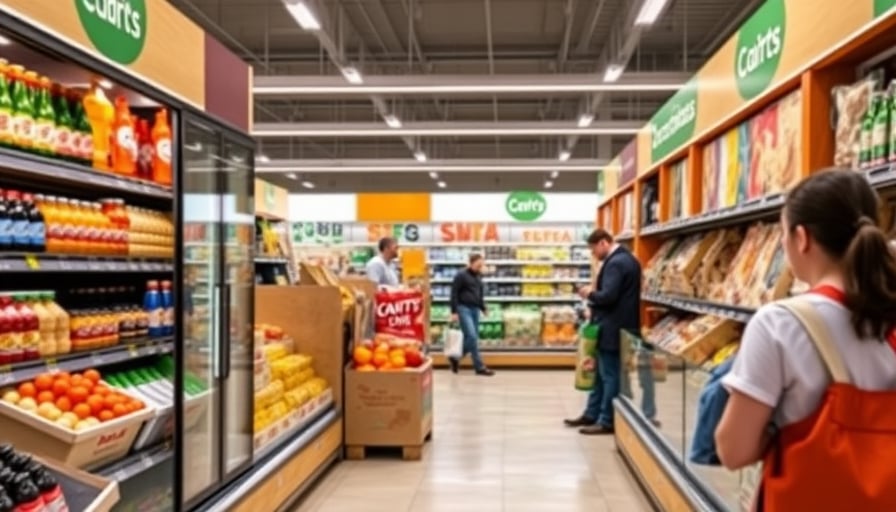
Furthermore, the resurgence of experiential retail—where stores become destinations rather than mere transaction points—has spurred a redesign of flagship outlets. These spaces now feature cooking demos, local artisan markets, and interactive digital displays, thereby creating immersive brand experiences that extend beyond conventional shopping.
Forward‑Looking Market Opportunities
- Omni‑Channel Optimization – Continued investment in AI‑driven inventory management and personalized marketing can reduce operational costs while enhancing customer loyalty across digital and physical channels.
- Health and Wellness Expansion – Leveraging demographic data to tailor product assortments toward aging consumers can capture a growing segment seeking convenience and well‑being.
- Sustainability Branding – Building a robust narrative around carbon‑neutral supply chains and zero‑waste initiatives can differentiate brands in a market where consumers increasingly reward ethical practices.
- Experience‑Centric Retail – Converting high‑traffic stores into multi‑sensory environments can attract younger consumers, boosting footfall and cross‑selling opportunities.
In summary, J Sainsbury’s performance illustrates how consumer sectors that adeptly fuse digital innovation with tangible retail experience, while staying attuned to demographic and cultural dynamics, can sustain profitability even amid volatile holiday sales. The broader retail landscape should heed these insights, recognizing that the next wave of growth will be defined by how seamlessly businesses can translate societal changes into compelling, personalized shopping experiences.