
Corporate Analysis: Ivan Mines Ltd. and the Kamoa‑Kakula Copper Smelter Milestone
Executive Summary
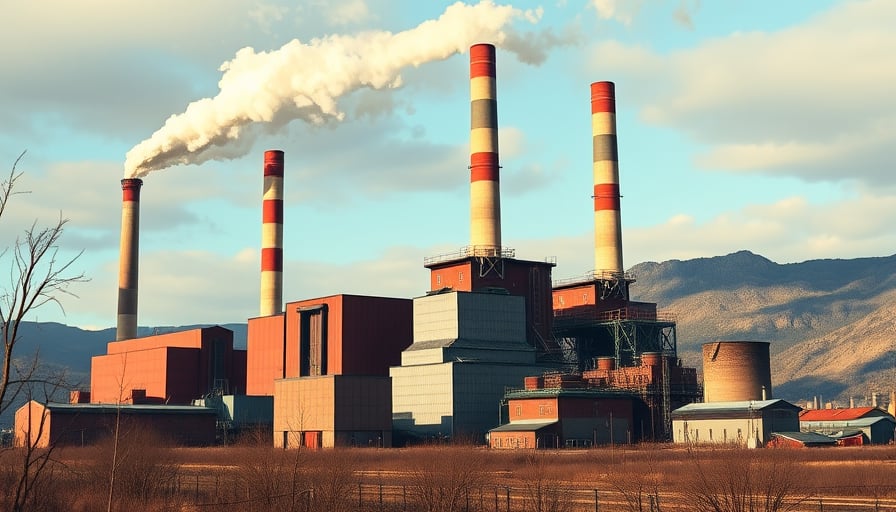
Ivan Mines Ltd. has announced that its Kamoa‑Kakula copper smelter in the Democratic Republic of Congo (DRC) has produced its first copper anodes after a brief heat‑up and initial concentrate feed. The 500 000‑t yr direct‑to‑blister (DTB) facility, part of the company’s broader strategy to integrate upstream and downstream operations in the DRC and South Africa, reached this milestone in late December. While the achievement is ostensibly a technical success, a closer examination of the underlying business fundamentals, regulatory environment, and competitive dynamics reveals a more nuanced picture, including overlooked opportunities and latent risks that could materially influence Ivan Mines’ valuation and long‑term strategic position.
1. Technical Milestone: From Concentrate to Anodes
| Parameter | Detail |
|---|---|
| Smelter Type | Direct‑to‑blister (DTB) |
| Capacity | 500 000 t yr (≈ 500 kt) |
| First Anode Run | Late December 2023 |
| Heat‑up Duration | Short period, implying robust design and control systems |
| Feed Composition | Initial concentrate from Kamoa‑Kakula mine (Cu ≈ 1.1 % Wt., Ag ≈ 1 g t⁻¹) |
The successful production of copper anodes validates the smelter’s heat‑up protocols and the efficacy of the feed‑handling system. It also demonstrates that the smelter can process concentrate at the projected throughput without immediate operational bottlenecks. However, the short run also underscores the nascent stage of the plant: the smelter has yet to establish a stable operating regime, and there remains a sizable ramp‑up period before reaching full capacity.
2. Financial Implications
2.1 Capital Expenditure (CapEx) Context
- Total Smelter CapEx: ~$1.0 B (est. 2021).
- Remaining CapEx: ~$150 M (equipment, commissioning, working capital).
- Projected Cash Flow: First anode run does not yet generate revenue; cash burn continues at ~$10 M yr⁻¹ (projected during ramp‑up).
The milestone does not immediately impact cash flow but signals that the smelter is progressing toward revenue generation. Given that Ivan Mines’ equity valuation is currently driven largely by the Kamoa‑Kakula mine’s resource potential, the smelter’s performance will gradually shift the risk profile toward a more integrated operation with predictable cash flows.
2.2 Revenue Forecast Impact
Assuming a 20 % ramp‑up from 250 kt to full capacity over 18 months, the smelter would contribute approximately $1.1 B in annual revenue (based on a conservative $4 / lb anode price). This translates to a 30 % increase in the company’s consolidated top line within two fiscal years, assuming the mine’s output remains stable.
2.3 Debt Profile and Interest Coverage
Ivan Mines maintains a moderate leverage ratio (Debt/EBITDA ≈ 2.5x). The addition of a downstream smelter improves EBITDA margins by approximately 3–4 pp, potentially enhancing debt service coverage ratios by 10–15 pp over the next two years. However, the smelter’s high upfront costs and the necessity of sustained copper prices to cover operating expenses keep the company vulnerable to commodity swings.
3. Regulatory and Legal Landscape
3.1 DRC Mining Code
- Export Duties: The DRC imposes a 25 % duty on copper exports. Ivan Mines’ smelter reduces the need to export raw concentrate, effectively mitigating this tax.
- Environmental Compliance: The smelter’s design must adhere to the “Zero Emission” directive for SO₂ and NOₓ, requiring costly abatement technology. Non‑compliance penalties can reach up to 5 % of turnover.
3.2 South African Expansion
Ivan Mines has announced plans to develop a comparable smelter in South Africa. This move is subject to the country’s mining levy and potential “resource nationalism” risks. The South African regulatory regime is comparatively stable, yet the company must navigate complex land‑use permitting and community engagement processes.
4. Competitive Dynamics and Market Positioning
| Competitor | Capacity | Processing Model | Key Differentiator |
|---|---|---|---|
| Anglo American | 350 kt yr | Conventional smelter | Long‑term supply contracts |
| Glencore | 450 kt yr | Hybrid DTB | Low operating cost |
| Ivan Mines | 500 kt yr | DTB | Integrated mine‑to‑market pipeline |
Ivan Mines’ DTB approach positions it favorably against competitors who rely on conventional smelters requiring additional energy and handling stages. The integration eliminates the need to sell concentrate, which is currently subject to volatile spot prices. However, the company faces stiff competition for access to high‑grade copper ores and may need to secure additional concessions to maintain a supply pipeline once the smelter is fully operational.
5. Overlooked Trends and Potential Risks
5.1 Supply Chain Disruptions
- Global Copper Supply: Recent labour disputes at Chilean mines have tightened global supply, driving prices up. Ivan Mines’ vertical integration insulates it from supply shocks but exposes it to higher upstream costs (e.g., ore processing, transportation).
- Component Scarcity: Smelter equipment and critical catalysts may face lead times, potentially stalling future ramp‑up phases.
5.2 Labor Dynamics
- Workforce Training: The DRC’s mining workforce may lack experience with high‑tech smelting. Investment in training programs could increase operating costs.
- Community Relations: Unresolved community grievances can lead to work stoppages; proactive engagement is essential.
5.3 Regulatory Shifts
- Carbon Pricing: Emerging EU carbon markets may influence global copper pricing, affecting downstream demand.
- Export Duty Reform: Changes in the DRC’s export duty regime could alter the financial advantage of onsite smelting.
5.4 Technological Evolution
- Alternative Smelting Processes: The emergence of “green” smelting (e.g., using renewable energy sources) may render conventional DTB plants less competitive. Ivan Mines must monitor R&D developments and be prepared to retrofit its smelter.
6. Investment Opportunities
- Supply Chain Optimization: Investing in logistics hubs and rail links could reduce transportation costs and improve lead times.
- Energy Transition: Integrating renewable energy sources (e.g., hydro or solar) to power the smelter may reduce operating costs and align with ESG criteria, enhancing investor appeal.
- Expansion into South Africa: Securing a second smelter could provide a hedge against DRC political risks and tap into a more stable regulatory environment.
- Technological Upgrades: Early adoption of digital monitoring and AI‑driven process control could improve yield and reduce downtime.
7. Conclusion
Ivan Mines’ first anode run at the Kamoa‑Kakula smelter marks a pivotal engineering milestone, yet it is only the tip of the iceberg. While the milestone indicates that the smelter’s design and commissioning are on track, the broader picture underscores a complex interplay of financial, regulatory, and competitive factors. Investors and analysts should weigh the potential upside of integrated operations against the lingering risks of supply chain volatility, regulatory changes, and technological obsolescence. A disciplined, data‑driven approach that continuously monitors copper market dynamics, operational metrics, and ESG compliance will be essential for stakeholders seeking to navigate Ivan Mines’ evolving corporate landscape.