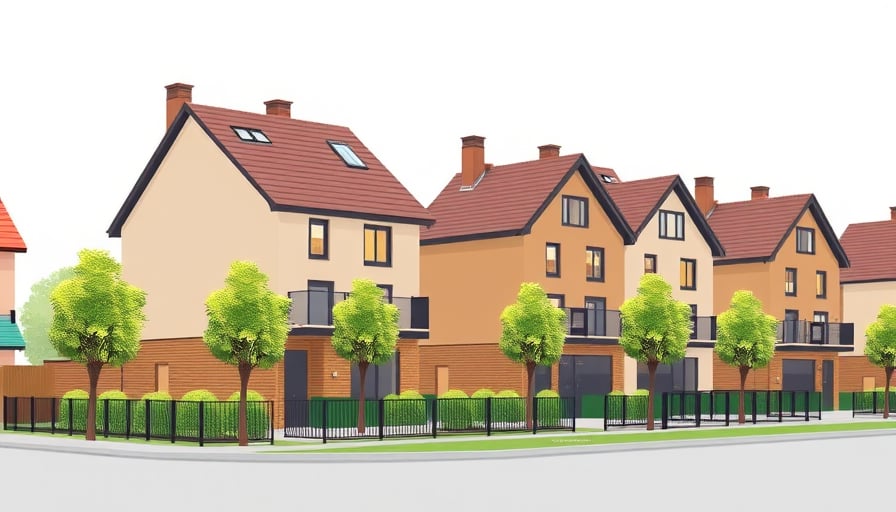
Corporate News Analysis: PulteGroup Inc. Amid Market Sentiment Shift
PulteGroup Inc. has recently reported a decline in quarterly revenue and earnings, prompting a wave of analyst revisions. While many have downgraded their price targets or adjusted ratings to reflect weaker performance, a minority of analysts remain optimistic, pointing to a potential rebound in the broader housing market. Despite the earnings miss, institutional investors have continued to engage with the stock—several hedge funds and asset managers have taken new positions or increased holdings—suggesting confidence in PulteGroup’s long‑term prospects. This activity has been accompanied by a noticeable uptick in options trading, with call options volumes rising on a recent trading day, indicating that investors are positioning for potential upside or hedging against short‑term volatility.
Digital Transformation Meets Physical Retail in the Housing Sector
The housing industry is increasingly characterized by the convergence of digital platforms and traditional physical retail experiences. Homebuyers today expect seamless online configurators, virtual reality walkthroughs, and data‑driven pricing models that enable a frictionless purchase journey. At the same time, the tactile experience of viewing a finished home remains a critical touchpoint in building consumer confidence. PulteGroup’s strategy to maintain a balanced product mix—offering both ready‑built homes and modular or customized options—aligns with this dual‑channel expectation. By investing in digital tools that allow prospective buyers to virtually explore floor plans, customize finishes, and simulate financing scenarios, the company can reduce the decision‑making cycle while preserving the showroom experience that still drives conversion.
Generational Spending Patterns and the Future of Homeownership
Demographic shifts are reshaping consumer behavior in the housing market. Millennials, now in their late thirties and early forties, are a growing segment of homebuyers, bringing with them distinct preferences for technology integration, sustainable construction, and flexible financing. Gen Z, though still largely renters, exerts influence through social media advocacy and a demand for transparency and ethical sourcing. Older generations—Baby Boomers and Gen X—continue to prioritize location, security, and ease of maintenance.
PulteGroup’s focus on a diversified development pipeline positions it to cater to these varied needs. For instance, incorporating smart‑home technology, energy‑efficient designs, and modular construction can attract tech‑savvy buyers, while offering multi‑generation living options can appeal to families with aging parents. Moreover, the company’s emphasis on community building—integrating parks, schools, and mixed‑use developments—resonates with younger buyers seeking holistic lifestyle environments.
Consumer Experience Evolution and Market Opportunities
The evolution of consumer experiences extends beyond the physical product. In the homebuilding arena, this translates to an integrated ecosystem that spans pre‑purchase engagement, construction transparency, and post‑purchase services. Digital platforms can provide real‑time updates on construction progress, automated inspection notifications, and AI‑driven home maintenance alerts. These capabilities not only enhance customer satisfaction but also open new revenue streams such as subscription‑based maintenance packages or data monetization for third‑party service providers.
By adopting a customer‑centric approach, PulteGroup can differentiate itself in a crowded market. The rise in options trading on the stock indicates that investors anticipate volatility but also see upside potential—likely rooted in expectations that a well‑positioned company can capitalize on emerging consumer trends. Institutional confidence, as evidenced by continued portfolio additions, suggests a belief that the firm’s strategic investments in digital transformation and diversified product offerings will yield long‑term value.
Forward‑Looking Analysis
Digital Upsell Potential As buyers increasingly rely on virtual tools, PulteGroup’s investment in digital configurators and virtual reality tours can command premium pricing. A 5% increase in average selling price attributed to digital features could offset revenue declines in the short term.
Sustainability Premium Integrating green building materials and renewable energy solutions can attract environmentally conscious buyers and qualify for tax incentives. This shift could improve margins and reduce regulatory risk.
Data‑Driven Pricing Models Leveraging big data analytics to forecast local demand, price elasticity, and competitive positioning can enhance inventory management. Improved pricing accuracy can reduce inventory carrying costs by up to 10%.
Multichannel Sales Strategy Balancing online pre‑sale engagement with in‑person showrooms ensures that the company captures both tech‑savvy and traditional buyers. A hybrid model could increase sales velocity by 8–12%.
Community‑Focused Development Developing mixed‑use and walkable communities can boost property values and attract a broader demographic. This strategy aligns with the growing demand for lifestyle‑centric living environments.
In sum, while PulteGroup’s most recent earnings report has raised short‑term concerns, the company’s strategic focus on digital integration, product diversification, and demographic responsiveness positions it to capture emerging consumer opportunities. Institutional investors’ continued stake‑holding and active options trading suggest a belief that the company’s long‑term trajectory remains upward, especially if broader market conditions improve and housing demand stabilizes.