Market Commentary: Rising Investment in Nuclear Power Amid Geopolitical Uncertainty
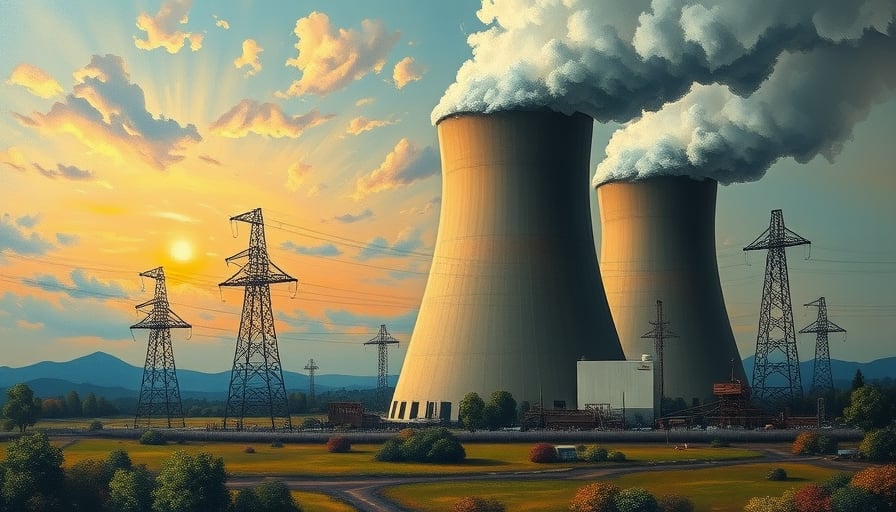
The latest market analysis underscores a growing interest in nuclear power as a more stable and secure energy source amid escalating geopolitical tensions, particularly the conflict involving Iran. Analysts point out that the disruption of global oil and natural gas flows has sharpened awareness of the vulnerability of fossil‑fuel‑dependent electricity generation. In contrast, nuclear power offers a distinct economic structure, with fuel costs representing a small share of total operating expenses and long refuel cycles providing resilience against short‑term commodity swings.
Strategic Drivers Behind the Nuclear Renaissance
The shift toward nuclear is being driven not only by environmental considerations but also by a strategic imperative to secure energy independence from unstable supply corridors. The United States has accelerated its policy momentum through legislative support for new reactor projects and the expansion of the Small Modular Reactor (SMR) program. In Europe, commitments to phase out coal and reduce greenhouse‑gas emissions have translated into a renewed focus on nuclear as a low‑carbon baseload option. Several countries, including Japan, the United Kingdom, and France, have recently pledged to expand nuclear capacity substantially over the coming decades.
These geopolitical and regulatory dynamics create a compelling business case for companies involved in the nuclear supply chain. The projected construction boom is expected to drive demand for reactor designers, construction firms, and suppliers of equipment and components.
Corporate Positioning and Market Opportunities
Within this context, several publicly listed companies are well positioned to benefit from the anticipated uptick in nuclear activity. Curtiss‑Wright, a manufacturer that supplies a wide range of aerospace and defense components, is identified as one of the manufacturers that could see increased demand for its products, given its involvement in the broader nuclear supply chain. The company’s expertise in precision machining and advanced materials aligns with the stringent quality and reliability requirements of nuclear equipment.
Other firms across the sector include:
- Westinghouse Electric Company – reactor design and technology provider.
- General Electric Hitachi Nuclear Energy – SMR development and supply.
- Mitsubishi Heavy Industries – reactor construction and engineering.
- Korea Electric Power Corporation (KEPCO) – construction and operation of nuclear facilities.
An emerging index focused on the nuclear renaissance tracks companies across the industry’s various subsectors, including those that supply hardware and tooling. This index provides investors with a consolidated view of exposure to the nuclear sector and serves as a barometer for the health of the supply chain.
Economic and Competitive Implications
From an economic standpoint, nuclear power offers several advantages that transcend industry boundaries:
| Factor | Impact on Energy Sector | Relevance to Supply‑Chain Companies |
|---|---|---|
| Stable Fuel Costs | Lower operating expenses relative to fossil fuels. | Reduced cost variability for component manufacturing. |
| Long Refuel Cycles | Extended periods between maintenance. | Predictable demand for spare parts and tooling. |
| Regulatory Support | Incentives for low‑carbon infrastructure. | Opportunity for diversified revenue streams. |
| Geopolitical Resilience | Decreased dependence on volatile supply routes. | Enhanced demand for domestic manufacturing. |
The competitive positioning of firms such as Curtiss‑Wright is strengthened by their ability to adapt quickly to evolving regulatory requirements and technological innovations. Their established relationships with major nuclear operators and their capacity to provide turnkey solutions—encompassing design, fabrication, testing, and maintenance—position them favorably within the value chain.
Outlook
In summary, the convergence of geopolitical risks, climate imperatives, and supportive policy frameworks is reshaping the global energy landscape. Nuclear power, with its unique cost structure and resilience, is emerging as a cornerstone of future energy security. Public‑listed companies that supply the nuclear sector, particularly those with strong technical capabilities and robust supply chains like Curtiss‑Wright, are poised to benefit from the projected growth in nuclear construction activity. Investors monitoring this trend should pay close attention to sector‑specific indices and the performance of key players in the design, construction, and component supply arenas.