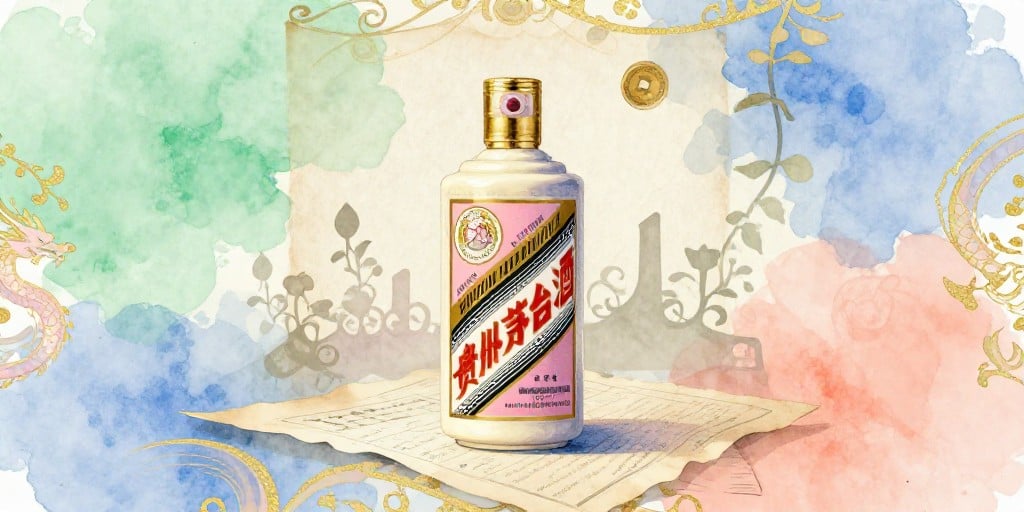
Corporate News – In‑Depth Analysis of Kweichow Moutai Co. Ltd.
Kweichow Moutai Co. Ltd., the preeminent Chinese liquor producer, has attracted sustained interest from both domestic and foreign investors as it approaches the release of its latest quarterly results. The company is widely expected to report a modest increase in earnings and revenue, with analysts forecasting a quarterly earnings‑per‑share (EPS) that slightly exceeds the same period last year and a sales growth of approximately 3.5 %. For the full fiscal year, forecasts point to an EPS of roughly 67 CNY and an operating turnover of about 176 billion CNY, up from 145 billion CNY the preceding year.
Investor Sentiment and Capital Inflows
Recent market data show a notable surge in foreign‑directed capital flows into Moutai’s shares, positioning the firm among the top recipients of net purchases in recent weeks. This inflow is largely attributable to:
| Driver | Explanation |
|---|---|
| Brand Strength | Moutai’s legacy and premium positioning have fostered a perception of resilience against macroeconomic volatility. |
| Cash‑Flow Stability | Consistent earnings and a robust operating margin enable predictable cash‑generation, appealing to value‑and‑income investors. |
| Dividend Policy | A stable, high dividend yield, typically around 7–8 %, aligns with the preferences of income‑focused portfolios, especially amid uncertain earnings outlooks. |
These factors combine to create an attractive risk‑adjusted profile for institutional investors, who view Moutai as a defensive asset in a fluctuating market environment.
Market Performance and Valuation Dynamics
Moutai’s shares have demonstrated resilience amid broader index volatility, recording modest gains during the current trading week. Key valuation metrics include:
- Price‑to‑Earnings (P/E): Approximately 20×, situating the stock near the lower end of its historical spectrum.
- Dividend Yield: Roughly 7 %, surpassing the average yield of the Shanghai Composite Index.
- Free‑Cash‑Flow Yield: Consistently above 6 %, indicating strong cash generation relative to market capitalization.
These figures suggest that, notwithstanding short‑term price fluctuations, the stock remains undervalued relative to its earnings trajectory and dividend performance.
Strategic Initiatives: Product Portfolio and Channel Control
A notable strategic development is the recent launch of a self‑managed “Huamao” brand. By creating an in‑house product line, Moutai seeks to:
- Enhance Channel Control: Direct distribution of the Huamao brand allows tighter pricing and marketing coordination, potentially increasing margin capture.
- Reinforce Premium Positioning: The brand’s positioning as a high‑margin product supports the company’s long‑term strategy of premium brand consolidation.
- Diversify Revenue Streams: While the core Moutai product remains a flagship, the Huamao brand expands the company’s product breadth, mitigating overreliance on a single SKU.
The effectiveness of this initiative will hinge on consumer reception, distribution efficacy, and the ability to maintain the brand’s perceived exclusivity.
Regulatory Environment and Potential Risks
1. Alcoholic Beverage Licensing
China’s stringent licensing requirements for alcoholic beverage production and sales impose operational constraints. Recent policy shifts, such as increased taxation on high‑alcohol content liquors, could impact pricing power and profit margins.
2. Foreign Investment Restrictions
Although foreign direct investment (FDI) inflows remain robust, regulatory changes targeting cross‑border capital flows could reduce investor appetite, especially for companies with significant overseas exposure.
3. Supply Chain Vulnerabilities
Moutai’s reliance on specific raw materials (e.g., high‑quality sorghum and water) may expose it to supply chain disruptions, especially given the increasing frequency of extreme weather events.
4. Competitive Dynamics
While Moutai dominates the premium segment, emerging domestic brands are gaining traction by offering more affordable yet quality products. These competitors could erode Moutai’s market share if the company fails to adapt its pricing strategy or expand its distribution network.
Opportunities for Value Creation
- Export Expansion: Tapping into overseas markets, particularly in Southeast Asia and Europe, where premium Chinese liquors are gaining cultural traction, could unlock new revenue streams.
- Digital Distribution: Leveraging e‑commerce platforms to reach younger demographics may drive brand loyalty and repeat purchases.
- Sustainability Initiatives: Investing in green production methods could enhance brand appeal and mitigate regulatory pressures related to environmental compliance.
Conclusion
Kweichow Moutai presents a compelling case as a stable, income‑generating asset that combines strong brand equity, resilient cash flows, and a favourable dividend policy. The company’s strategic moves—most notably the Huamao brand launch—signal a commitment to sustaining premium positioning while diversifying its product portfolio. Nonetheless, investors should remain vigilant regarding regulatory shifts, supply chain risks, and competitive pressures that could influence Moutai’s long‑term performance. With its forthcoming financial results, the market will gain clearer insight into the efficacy of these strategies and the robustness of its underlying business fundamentals.