
Corporate News
Tapestry Inc., a New‑York‑based designer of apparel, accessories and luxury goods, continues to be a focal point for investors within the consumer discretionary sector. Recent trading activity—highlighted by a one‑year investment performance report and concurrent buy and sell transactions—underscores the sustained interest from both institutional and individual stakeholders.
Investor Activity in Context
On January 26, a prominent financial outlet reported that a one‑year investment in Tapestry had yielded a substantial rise in value since the prior year’s close. Simultaneously, a specialist investment firm disclosed the sale of 266 shares, while a major asset‑management fund added 3,529 shares to its portfolio. These moves demonstrate that market participants remain attentive to Tapestry’s performance and its prospects for growth.
The broader market environment was characterised by modest gains across U.S. equity indices, driven largely by anticipation of forthcoming policy decisions. While this backdrop reflects overall market sentiment, it provides useful context for assessing Tapestry’s relative valuation and the strategic choices of its investors.
Linking Lifestyle Trends to Consumer Opportunities
The luxury goods market is evolving in tandem with shifting lifestyle preferences and demographic trends. Three interrelated forces are shaping the sector:
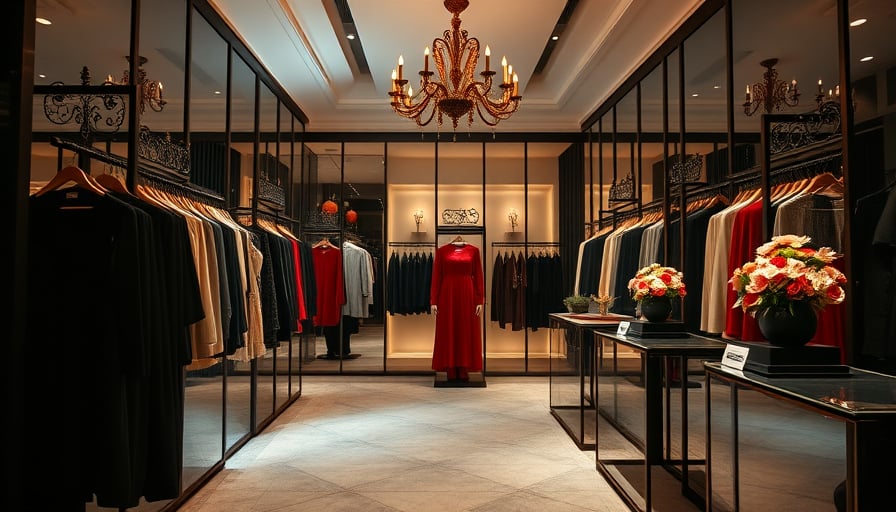
Digital Transformation Meets Physical Retail Millennials and Gen Z consumers increasingly seek seamless omnichannel experiences. They value curated in‑store encounters that complement robust digital touchpoints. Brands that integrate augmented‑reality try‑on features, real‑time inventory visibility, and personalised recommendation engines can capture higher engagement and conversion rates. Tapestry, with its portfolio of high‑end labels, has the infrastructure to accelerate such integration, leveraging data analytics to tailor product assortments and in‑store displays.
Generational Spending Patterns The rise of “experience‑first” spending, particularly among younger cohorts, suggests a willingness to allocate discretionary budgets toward products that convey identity and status. Luxury brands that embed sustainability narratives, transparent supply chains, and community‑building initiatives resonate with these values. By aligning its marketing and product development with these priorities, Tapestry can deepen brand loyalty and justify premium pricing.
Evolution of Consumer Experience Post‑pandemic retail is increasingly centered on emotional and social touchpoints. Pop‑up collaborations, limited‑edition drops, and exclusive in‑store events create a sense of urgency and belonging. Tapestry’s heritage labels provide a strong foundation for such experiential strategies, which can drive foot traffic and reinforce brand equity in a crowded market.
Forward‑Looking Analysis
The convergence of digital innovation and experiential retail presents a compelling avenue for growth. Tapestry’s current investor activity suggests confidence in the company’s ability to capitalize on these trends. However, to sustain momentum, the firm must address several strategic imperatives:
- Investment in Omnichannel Infrastructure – Scaling e‑commerce capabilities while preserving boutique‑style in‑store experiences will be crucial.
- Sustainability Leadership – Transparent sustainability reporting and circular‑economy initiatives can differentiate the brand and appeal to ethically conscious consumers.
- Agile Product Development – Shortening the time from concept to shelf will enable rapid response to fashion cycles and limited‑edition collaborations.
Regulatory developments, such as the UK pension regulators’ guidance on value‑for‑money frameworks, may indirectly influence governance practices and capital allocation decisions. While these do not directly affect Tapestry’s day‑to‑day operations, they reinforce the importance of robust risk management and stakeholder transparency.
In summary, Tapestry’s recent trading activity and investor coverage signal continued confidence in its trajectory. By aligning its strategy with the evolving lifestyles, demographics, and cultural movements of contemporary consumers, the company is positioned to translate societal shifts into tangible market opportunities.