
Rapid‑Commerce Dynamics in India: A Confluence of Lifestyle Shifts, Demographic Trends, and Digital‑Physical Integration
The Indian e‑commerce landscape is undergoing a seismic shift driven by accelerated digital adoption, evolving consumer lifestyles, and a generational pivot toward instant gratification. Walmart Inc.’s continued pursuit of market share through its Flipkart platform and the proliferation of dark‑store networks in smaller cities exemplify how traditional retailers are re‑engineering the physical‑digital boundary to meet new demand patterns.
1. The Digital‑Physical Retail Interface
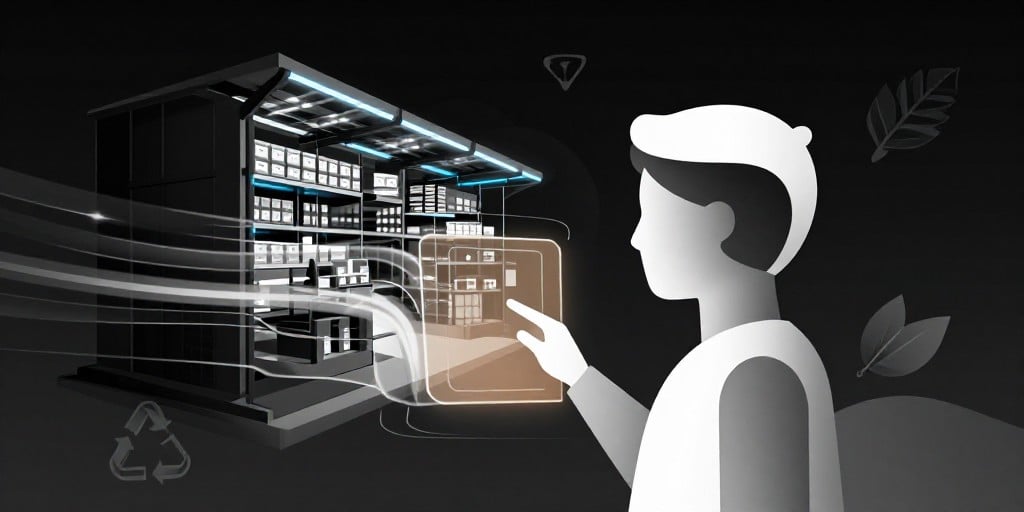
Whereas metropolitan centres historically dominated quick‑commerce, the expansion of last‑mile warehouses in tier‑2 and tier‑3 cities signals a broader trend: consumers increasingly seek the convenience of rapid delivery without abandoning the tactile experience of physical retail. Dark stores—highly automated distribution centres that serve only online orders—are now the linchpin of this strategy. They allow firms to maintain the low overhead of a storefront while delivering the speed that modern consumers expect.
Walmart’s Flipkart network, now rivaled by Amazon’s Amazon Now and other incumbents such as Blinkit and Swiggy, illustrates the escalating competition. The investment in infrastructure and aggressive promotional discounts has temporarily suppressed profitability across the sector. Nonetheless, the scale of capital deployment suggests a long‑term vision: as digital infrastructure matures, the cost per order will decline, and margins will recover.
2. Demographic Forces and Generational Spending
India’s youthful population—roughly 60 % under the age of 35—has cultivated a consumer base that is both digitally fluent and quality‑centric. Generation Z, in particular, prioritises convenience, sustainability, and curated experiences over sheer price. Their spending patterns favor brands that can seamlessly blend online discovery with offline fulfilment, reinforcing the dark‑store model.
Simultaneously, the rising middle class in smaller cities is increasingly accessing higher disposable incomes. They are less price‑sensitive than older cohorts and more inclined to adopt new technologies for lifestyle enhancement. This demographic convergence offers a fertile ground for retailers that can leverage data analytics to anticipate local preferences while maintaining a unified brand narrative.
3. Cultural Movements and Consumer Experience
The contemporary consumer is also influenced by cultural narratives that champion sustainability, local authenticity, and experiential purchasing. Rapid‑commerce firms that can weave these themes into their supply chain—through locally sourced inventory, eco‑friendly packaging, or community‑centric marketing—gain a competitive edge.
Walmart’s exploration of a partnership with a health‑technology firm in Saudi Arabia underscores this trend: the integration of health, wellness, and technology is becoming a mainstream expectation. As consumers look for holistic solutions that fit into their daily routines, retailers that embed value‑added services into their ecosystems are poised to capture market share beyond mere product transactions.
4. Market Outlook: Opportunities Amidst Intense Competition
| Factor | Implication | Strategic Opportunity |
|---|---|---|
| Infrastructure Investment | High upfront costs, but long‑term cost reductions | Focus on automation, AI‑driven inventory, and scalable dark‑store designs |
| Promotional Pressure | Short‑term margin compression | Develop loyalty programs and subscription models to enhance customer lifetime value |
| Localised Demand | Diversified product needs across regions | Partner with local suppliers and use micro‑fulfilment hubs |
| Digital‑Physical Synergy | Increased consumer trust and engagement | Offer omni‑channel experiences that blend online discovery with offline touchpoints |
| Health‑Tech Integration | Rising demand for wellness solutions | Explore cross‑industry collaborations and digital health services |
5. Forward‑Looking Analysis
Profitability Trajectory While current profitability remains under pressure, the trajectory points toward stabilization once economies of scale are realised. Companies that can optimise dark‑store operations—through predictive logistics and real‑time demand forecasting—will see a faster break‑even point.
Expansion into Emerging Markets Walmart’s interest in Saudi Arabia, coupled with a health‑technology partner, highlights a strategic pivot toward markets where digital penetration is high but physical retail still holds cultural significance. Similar opportunities may emerge in Southeast Asia and Eastern Europe, where rapid‑commerce is gaining traction among young consumers.
Consumer Experience as Differentiator The future competitive advantage lies not only in speed but also in the quality of the consumer journey. Personalised recommendations, seamless returns, and integrated services (e.g., on‑demand home health consultations) will set leaders apart.
Sustainability as a Market Driver With growing environmental awareness, retailers that prioritise sustainable practices—from carbon‑neutral logistics to circular retail models—will attract both younger consumers and socially conscious investors.
In conclusion, the rapid‑commerce sector in India, and increasingly globally, is shaped by a confluence of digital transformation, generational spending behaviours, and evolving cultural expectations. While the battle for market share is intensifying, the firms that align their operational models with these societal shifts—balancing speed, sustainability, and experiential depth—are likely to secure long‑term profitability and brand relevance.