Imperial Brands Plc’s Latest Share‑Buyback Tranche: A Strategic Lens on Consumer‑Goods Evolution
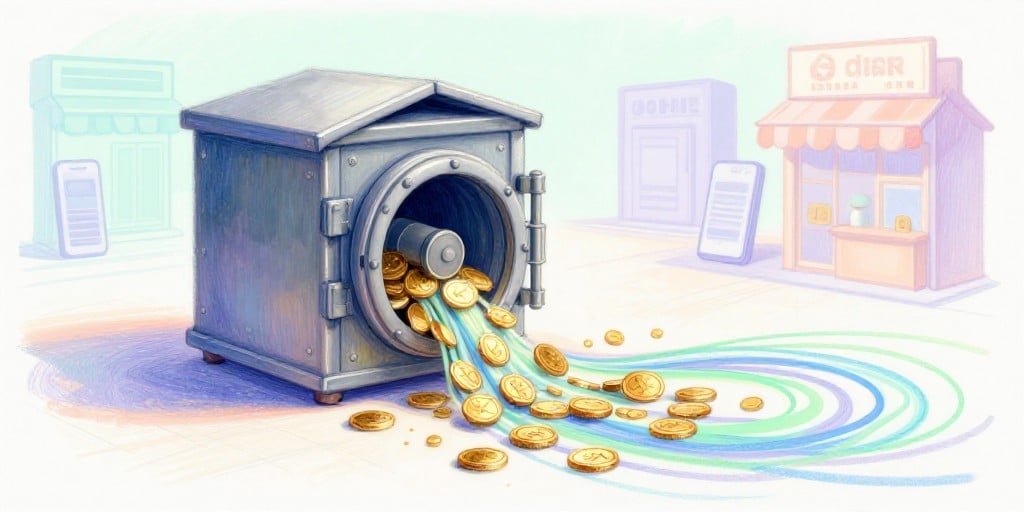
Imperial Brands Plc has confirmed a new tranche of its evergreen share‑repurchase programme, earmarking an additional £1.5 billion of share buybacks for the fiscal year 2027. The announcement follows a £1.45 billion repurchase in 2025 and the 2026 plan that culminated in the cancellation of 572 743 ordinary shares. With over a twentieth‑percent reduction in issued share capital since the programme’s inception, Imperial aims to keep leverage low while reinforcing a progressive dividend strategy.
Capital Discipline Amidst a Shifting Consumer‑Goods Landscape
The tobacco sector, traditionally viewed as a mature market, is now part of a broader consumer‑goods ecosystem that is increasingly data‑driven and consumer‑centric. Imperial’s decision to commit a third tranche of buybacks signals confidence in its cash‑flow generation and underscores a disciplined capital allocation that aligns with industry trends toward:
| Trend | Relevance to Imperial | Broader Market Insight |
|---|---|---|
| Omnichannel retailing | Transition to e‑commerce and direct‑to‑consumer (DTC) channels for nicotine‑related products | Consumer goods companies are expanding online footprints to capture higher‑margin sales and real‑time data |
| Data‑led product innovation | Use of sales analytics to refine portfolio and tailor marketing | Cross‑sector pattern: apparel, food, and beauty brands accelerate AI‑driven design cycles |
| Supply‑chain resilience | Reducing dependency on single suppliers and integrating digital tracking | Global shift toward modular, near‑shoring logistics to mitigate geopolitical risks |
Imperial’s share‑buyback schedule is not merely a financial manoeuvre; it is a signal to investors that the company is positioning itself to harness these trends while preserving shareholder value.
Short‑Term Market Movements: Volatility and Valuation
Over the past year, Imperial’s share price has declined by roughly 20 %, reflecting broader market sentiment around legacy industries. Nonetheless, the company remains on track to deliver full‑year guidance for FY26 and to complete the FY27 buyback by October 2027. The immediate impact of the buyback is:
- Capital return acceleration – Enhancing earnings‑per‑share (EPS) and return on equity (ROE) metrics.
- Signal of confidence – Reaffirming management’s belief in future cash‑flow stability.
- Market signalling – Potentially supporting share price resilience against cyclical downturns.
Investors interpret these signals within the context of consumer‑goods volatility, where companies that successfully pivot to omnichannel strategies often outperform peers that remain legacy‑centric.
Long‑Term Transformation: From Tobacco to a Consumer‑Centric Brand
Imperial’s strategic narrative has evolved toward a consumer‑centric, data‑led brand. Key initiatives include:
- Cost‑Cutting Momentum – Aiming for at least £320 million in savings by 2030, reinforcing operational efficiency.
- Digital Integration – Leveraging data analytics for customer segmentation, product development, and dynamic pricing.
- Omnichannel Expansion – Deploying e‑commerce platforms and DTC logistics to capture emerging market segments (e.g., vape enthusiasts, nicotine‑replacement users).
- Sustainability Commitments – Aligning with consumer expectations for responsible sourcing and reduced environmental impact.
These efforts mirror a broader cross‑sector shift where traditional consumer‑goods firms re‑brand themselves as digitally native entities. For instance, the apparel industry’s move to subscription models, the food sector’s embrace of “farm‑to‑table” transparency, and the beauty industry’s focus on personalized, AI‑driven formulations.
Supply‑Chain Innovations: Resilience Meets Agility
Imperial’s commitment to maintaining a low leverage ratio dovetails with its supply‑chain modernization strategy:
| Supply‑Chain Innovation | Tactical Implementation | Market Implication |
|---|---|---|
| Near‑shoring | Relocating certain manufacturing nodes closer to end markets | Reduces lead times, aligns with consumer demand for rapid delivery |
| Digital twins | Simulating supply‑chain scenarios for risk mitigation | Enhances decision‑making speed, crucial during geopolitical disruptions |
| Blockchain traceability | End‑to‑end product tracking | Builds consumer trust, a critical factor in regulated industries |
By integrating these innovations, Imperial positions itself to navigate both current disruptions and future uncertainties, ensuring that its brand remains resilient and adaptable.
Cross‑Sector Patterns: The Convergence of Consumer Behaviour and Brand Strategy
Across multiple consumer categories—fast‑moving consumer goods (FMCG), personal care, and technology—analysts observe a consistent trajectory:
- Shift to experiential consumption – Consumers value immersive, multi‑sensory brand experiences.
- Data‑driven personalization – AI and machine learning enable hyper‑targeted offers.
- Sustainability as differentiation – Environmental credentials become a competitive advantage.
- Omnichannel dominance – Integrated online‑offline ecosystems dictate purchasing behaviour.
Imperial’s buyback initiative, coupled with its transformational roadmap, exemplifies how a legacy player can adapt to these converging patterns. By returning capital to shareholders while investing in digital, supply‑chain, and consumer‑centric capabilities, the company signals a commitment to long‑term value creation that resonates with today’s discerning investors.
Conclusion
Imperial Brands Plc’s additional £1.5 billion share‑repurchase tranche for FY27 reflects a dual strategy: rewarding shareholders through disciplined capital allocation and reinforcing a forward‑looking transformation toward a consumer‑centric, data‑driven brand. This move aligns with broader consumer‑goods trends—omnichannel retailing, supply‑chain resilience, and sustainability—that shape market dynamics today. By tying short‑term financial stewardship to long‑term strategic initiatives, Imperial positions itself to navigate volatility and capitalize on emerging opportunities in a rapidly evolving consumer‑goods landscape.