InterContinental Hotels Group PLC’s Share‑Buyback and Rewards Initiative: A Signpost for Consumer‑Focused Business Strategies
InterContinental Hotels Group PLC (IHG) completed a share‑buyback on 18 September 2025, repurchasing ordinary shares through Goldman Sachs International on the London Stock Exchange. The transaction, authorised at the company’s Annual General Meeting in May 2025 and executed under February‑issued instructions, was carried out at prices within a tight band. IHG plans to cancel the repurchased shares, thereby reducing the number of shares outstanding and signalling confidence in its long‑term valuation.
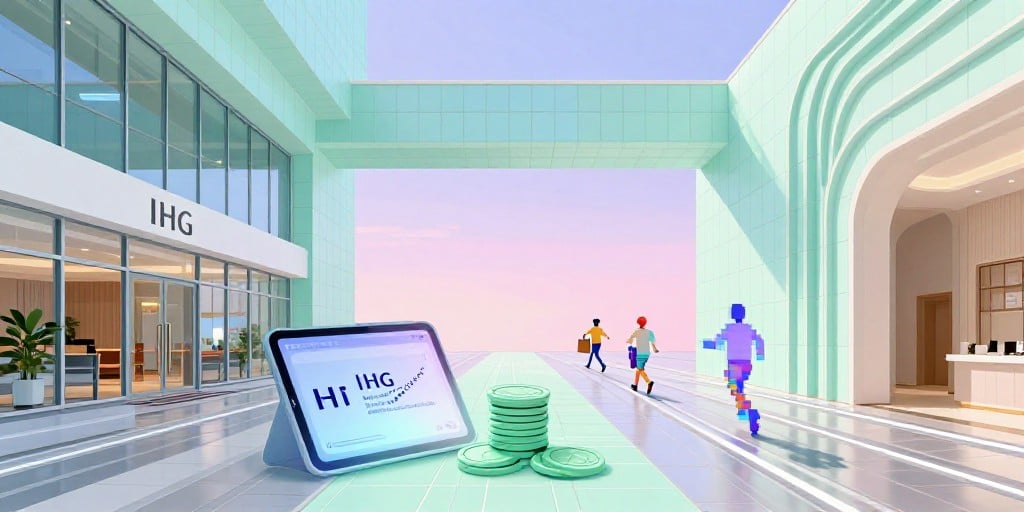
In tandem with the buyback, IHG announced a global award promotion for its IHG One Rewards programme. From now until early November 2026, co‑branded cardholders will receive a discount on the points required for award stays. Starting the following Friday, elite members of the highest loyalty tiers will also be eligible for the same benefit. The promotion aims to stimulate bookings during the window and deepen engagement with the brand’s most valuable customer segments.
These corporate moves sit within a broader context that underscores evolving consumer dynamics and the intersection of digital transformation with physical retail.
Lifestyle Shifts and Generational Spending
Rise of Experience‑Centric Consumption Millennials and Gen Z are prioritising authentic, personalised experiences over material goods. Hospitality brands that can weave storytelling and local culture into their offerings—while leveraging digital platforms for seamless booking and post‑stay engagement—stand to capture significant loyalty dividends.
Shift Toward Digital‑First Engagement The pandemic accelerated the adoption of mobile‑first travel planning and contactless services. IHG’s decision to extend rewards discounts to co‑branded cardholders demonstrates an alignment with the fintech‑savvy demographic that values instant, integrated rewards.
Spending Power of High‑Net‑Worth Segments High‑tier loyalty members, often drawn from older affluent cohorts, exhibit a willingness to spend on premium, curated stays. By offering discounts on award points to elite members, IHG incentivises repeat visits, thereby reinforcing revenue stability in a competitive market.
Physical Retail in a Digital Era
The hospitality sector exemplifies the coexistence of tangible environments and digital ecosystems. Guest expectations now include:
- Smart Room Controls that adjust lighting, temperature, and entertainment through a single app.
- Virtual Concierge Services powered by AI, providing real‑time local recommendations.
- Personalised In‑Room Experiences that anticipate guest preferences based on data from loyalty programmes.
IHG’s reward promotion is a strategic lever that encourages guests to use their points, fostering deeper engagement with the brand’s digital platform while still delivering the tactile pleasure of a physical stay.
Cultural Movements and Market Opportunities
Sustainability as a Value Proposition The forthcoming Hotel & Shop Plus Shanghai 2027 trade fair will highlight sustainability, digitalisation, and design. Brands that can demonstrate responsible sourcing, energy efficiency, and circular economies will resonate with eco‑conscious travelers and attract institutional investors focused on ESG criteria.
Digitalisation and Data‑Driven Hospitality The fair’s emphasis on digital transformation will likely showcase platforms for predictive analytics, revenue management, and dynamic pricing. Companies that invest in these technologies will be better positioned to optimise occupancy rates and maximise profitability.
Design as Differentiation Design trends increasingly blend local heritage with contemporary aesthetics. Hotels that curate interiors that reflect the cultural nuances of their locations will differentiate themselves in a crowded marketplace, appealing to travelers seeking authentic yet modern experiences.
Forward‑Looking Analysis for Investors and Strategic Planners
Capital Allocation Efficiency The share‑buyback indicates IHG’s intent to return value to shareholders while signalling confidence in its capital structure. Investors should monitor the impact on earnings per share and dividend policy.
Loyalty Programme Evolution By offering point discounts, IHG is experimenting with new revenue‑generation models that tie loyalty to booking volume. Future strategies may include tiered point valuations, partner‑ecosystem expansion, or blockchain‑based tokenisation of rewards.
Geographic Expansion and Market Penetration Participation in Hotel & Shop Plus Shanghai 2027 presents an opportunity for IHG and its partners to tap into the rapidly growing Chinese and Asia‑Pacific markets. Strategic alliances with local operators, technology vendors, and sustainability certifiers will be crucial.
Technological Integration Hotels that can seamlessly integrate IoT devices, AI‑driven concierge systems, and personalised marketing will set the benchmark for guest satisfaction. The ROI on such investments is likely to be realised through increased repeat bookings and higher average daily rates.
In conclusion, IHG’s recent share‑buyback and rewards promotion reflect a broader industry pivot toward value‑creation for both shareholders and consumers. By aligning its corporate actions with lifestyle trends, generational spending patterns, and cultural movements, the company positions itself to capitalize on emerging market opportunities that arise from the convergence of digital innovation and immersive, experience‑based hospitality.