
Corporate News
InterContinental Hotels Group PLC (IHG) has announced a new share‑buyback programme valued at approximately USD 950 million, underscoring the company’s conviction in its long‑term value creation. Earlier that day, the group reported an uptick in both earnings and revenue for its 2025 fiscal year, with a pre‑tax profit surpassing the previous year’s figure. Concurrently, IHG increased its annual dividend, reflecting a steady improvement in cash‑flow generation. Management highlighted that a recovery in key markets and the firm’s diversified fee streams have supported a positive outlook for demand in 2026. These developments suggest that InterContinental Hotels Group remains focused on returning capital to shareholders while maintaining a growth strategy grounded in its global hospitality operations.
Digital Transformation Meets Physical Retail in the Hospitality Sector
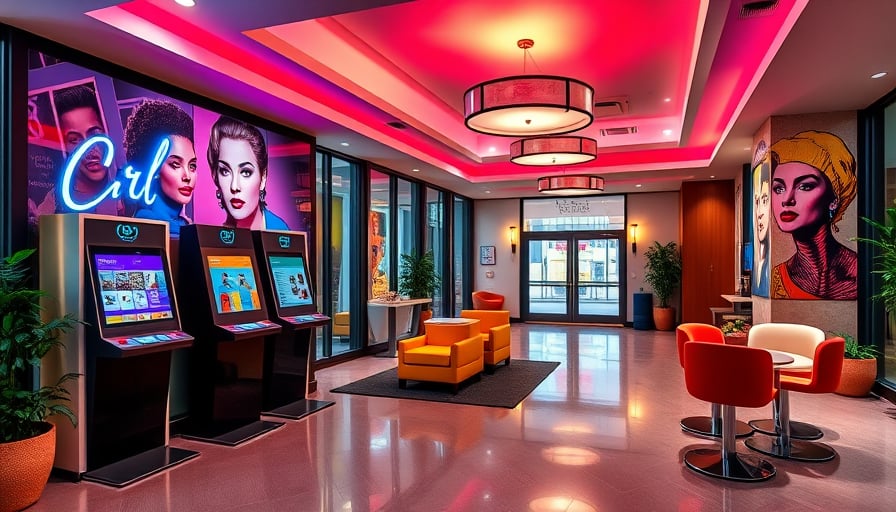
The hospitality industry is navigating an increasingly hybrid business model, blending digital platforms with the tactile experience of physical spaces. IHG’s recent financial performance illustrates how the convergence of technology and brick‑and‑mortar operations can drive profitability. The company’s loyalty program, IHG Rewards, continues to thrive as a data‑rich ecosystem, providing actionable insights that enable personalized marketing and dynamic pricing. Meanwhile, its flagship hotels are investing in contactless check‑in, mobile key technology, and AI‑powered concierge services—features that resonate with tech‑savvy travelers while preserving the sense of belonging and community that guests expect in a physical environment.
This dual focus is a response to shifting consumer preferences. Millennials and Generation Z—who now represent a growing share of business and leisure travelers—value convenience and digital engagement, yet they also seek authentic, localized experiences. By integrating digital convenience with curated, in‑person interactions, IHG is positioning itself to capture this demographic’s spending power.
Demographic Shifts and Generational Spending Patterns
The current cohort of travelers is markedly diverse in age, nationality, and consumption behaviour. According to recent market research, over 60 % of global hotel bookings are made by customers aged 25‑44, a group that prioritises sustainability, wellness, and experiential offerings. IHG’s emphasis on expanding its portfolio of boutique and lifestyle brands—such as EVEN and the forthcoming “Hotel S” concept—aligns with these preferences.
Moreover, the rise of the “digital nomad” and the proliferation of remote work have altered traditional travel calendars. Guests are now booking longer stays and favouring destinations that offer flexible workspace, reliable connectivity, and wellness amenities. IHG’s revenue growth in 2025 reflects successful penetration into these segments, particularly through its “IHG Plus” program, which bundles accommodations, dining, and wellness services into a single subscription.
Cultural Movements Driving New Consumer Experiences
Sustainability and social responsibility have moved beyond corporate rhetoric to become decisive factors in consumer choice. IHG’s “Sustainability Commitment” initiative, which targets a 30 % reduction in water usage per guest room and a 20 % decrease in single‑use plastics by 2027, is a tangible demonstration of its alignment with global environmental goals. These actions resonate strongly with Generation Z and Millennials, who increasingly reward brands that demonstrate genuine stewardship.
Additionally, there is a burgeoning appetite for immersive cultural experiences—food tours, local artisan collaborations, and heritage‑centric stays. IHG has partnered with regional tourism boards to incorporate locally curated itineraries into its loyalty offers, thereby differentiating its brand from generic hotel chains and fostering deeper connections with destination economies.
Forward‑Looking Analysis: Market Opportunities
- Digital‑Physical Integration
- Investment in AI‑driven revenue management and predictive analytics can further refine pricing strategies, especially as demand fluctuates across seasons and markets.
- Expansion of mobile‑first experiences, such as in‑app room control and personalized in‑stay recommendations, will enhance guest satisfaction and repeat bookings.
- Targeted Asset Development
- Developing boutique and lifestyle properties in emerging markets—particularly in Southeast Asia and Latin America—will tap into high growth potential among affluent middle‑class consumers.
- Leveraging the IHG Rewards ecosystem to drive cross‑brand loyalty across hotel categories can increase customer lifetime value.
- Sustainability as a Differentiator
- Achieving net‑zero targets and obtaining third‑party green certifications will strengthen brand equity and potentially unlock tax incentives or preferential financing.
- Transparent reporting on ESG metrics will appeal to institutional investors and socially conscious consumers alike.
- Experiential Partnerships
- Collaborations with local artists, chefs, and cultural institutions can create unique, shareable moments that enhance the hotel experience and generate organic marketing through social media.
- Integrating wellness programmes—such as yoga retreats and mindfulness workshops—into the core stay offering can justify premium pricing and attract health‑centric travelers.
- Capital Allocation Strategy
- The newly announced share‑buyback program and increased dividend signal a disciplined capital‑return policy that can boost investor confidence.
- Balancing shareholder returns with reinvestment in technology, sustainability, and asset development will maintain the growth trajectory highlighted by management’s optimistic 2026 outlook.
In conclusion, InterContinental Hotels Group’s recent financial strides illustrate a robust alignment with contemporary lifestyle trends, generational spending patterns, and cultural movements. By sustaining its focus on digital innovation, experiential differentiation, and responsible stewardship, IHG is well‑positioned to translate societal shifts into tangible market opportunities across the global hospitality landscape.