Huawei Technologies Advances Thermal Management and Expands Premium Portfolio
Huawei Technologies announced a new research paper addressing thermal management for its forthcoming Kirin 2026 smartphone processor. The study, led by He Tingbo, head of the Huawei Scientist Committee, demonstrates that a Tau Scaling Law‑based architecture can mitigate overheating—a concern that has previously been cited as a potential obstacle for vertically stacked logic circuits in advanced chips. The findings suggest that the Kirin 2026 design will be capable of delivering high computing performance while maintaining acceptable heat levels, which could help the company meet the demands of next‑generation mobile devices.
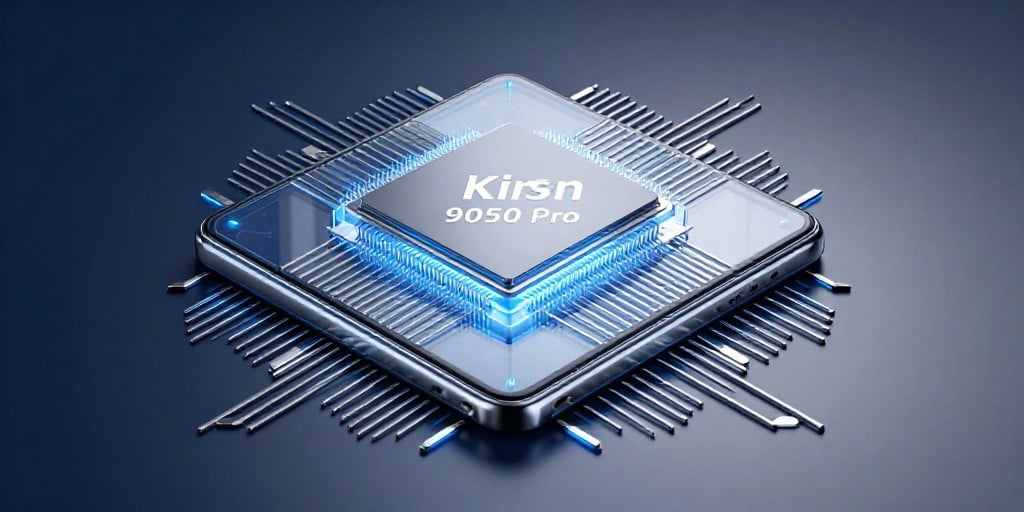
In a separate development, Huawei introduced the Mate XT2, a dual‑folding flagship phone that expands into a tablet‑sized display. The device is powered by the newly unveiled Kirin 9050 Pro chipset, which the company claims offers enhanced processing power with greater energy efficiency. This launch comes amid intensified competition from other premium handset makers, notably Xiaomi and Apple, both of whom have recently announced new products. The introduction of the Mate XT2 and the Kirin 9050 Pro reflects Huawei’s strategy to strengthen its position in the premium Chinese market despite ongoing restrictions on access to certain technologies from the United States.
The company’s focus on both hardware innovation and thermal efficiency is expected to influence its competitive stance in the high‑end mobile market. By addressing key technical challenges and expanding its product lineup, Huawei aims to sustain its leadership in the evolving landscape of premium smartphones.