
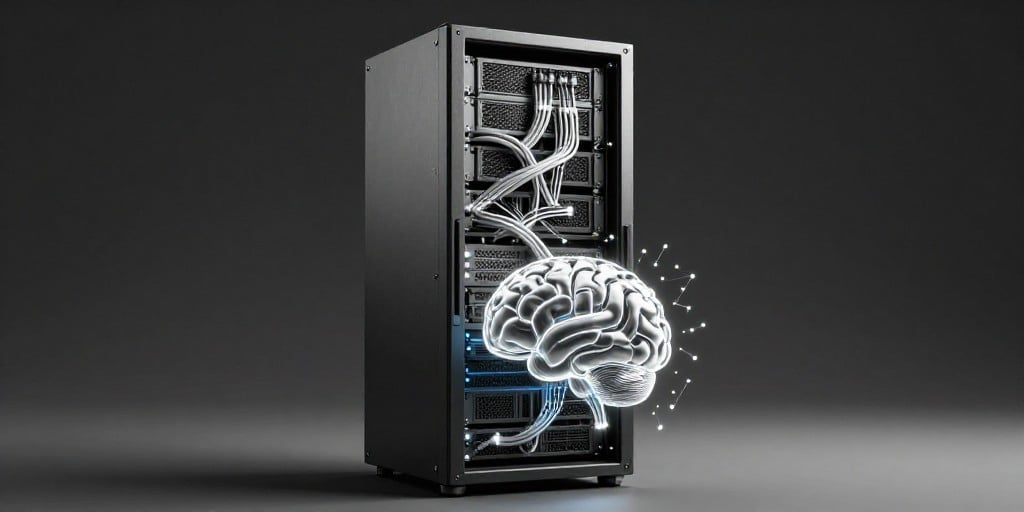
Hewlett Packard Enterprise Reports Strong Third‑Quarter Results Amid AI‑Driven Demand
Hewlett Packard Enterprise (HPE) delivered a robust third‑quarter performance, reporting revenue growth that was largely propelled by increased demand for its servers and networking equipment. The company attributed this upward trend to the expanding adoption of artificial‑intelligence (AI) workloads across enterprise and data‑center environments. A flagship multi‑billion‑dollar server agreement with a leading cloud provider was cited as evidence of the accelerating shift toward AI‑centric infrastructure.
Financial Highlights
- Revenue Growth: HPE reported a year‑over‑year revenue increase, driven primarily by higher sales of servers and networking gear. The growth outpaced many of its peers in the technology and infrastructure sectors, underscoring the sustained demand for high‑performance computing assets.
- Earnings Per Share (EPS): The company’s EPS exceeded market expectations, reflecting effective cost management and operational efficiencies despite ongoing supply‑chain pressures.
- Revised Guidance: HPE revised its full‑year outlook, lifting both revenue and adjusted earnings growth projections for the current fiscal year and the subsequent one. Management reiterated confidence that AI adoption will continue to support demand beyond the immediate horizon.
Supply‑Chain Dynamics
While the financial results were strong, HPE reiterated that supply constraints—particularly in memory and other critical components—remain a challenge. The company has secured longer‑term supply agreements to mitigate these bottlenecks, thereby reinforcing its capacity to meet projected demand. This approach aligns with broader industry efforts to diversify supply chains and secure strategic resources amid global uncertainties.
Market Context
Despite the company’s positive earnings, HPE’s stock experienced a slight decline in after‑hours trading. This movement mirrored broader market volatility, which has been influenced by geopolitical tensions and inflationary pressures. Investors remain vigilant about macroeconomic factors that could affect the technology sector, even as companies like HPE demonstrate resilience through strategic positioning.
Industry Implications
HPE’s performance illustrates how a firm can capitalize on the AI boom while managing supply‑side constraints. The company’s emphasis on securing key components and fostering partnerships with cloud providers positions it favorably against competitors that may still be navigating similar challenges. Moreover, the ability to translate AI demand into tangible revenue growth highlights the enduring relevance of foundational business principles—such as supply chain resilience and customer alignment—even in rapidly evolving technological landscapes.
Broader Economic Trends
The continued confidence expressed by HPE’s management reflects a broader trend of enterprises investing heavily in AI to drive efficiency and innovation. As organizations increasingly rely on AI for analytics, automation, and decision‑making, the demand for high‑performance servers and networking solutions is expected to remain strong. HPE’s revised forecasts suggest that this sector‑agnostic growth driver—AI adoption—will sustain demand across multiple industries, reinforcing the interconnectedness of technology infrastructure and broader economic development.
This update portrays HPE as benefiting from the ongoing AI boom while navigating supply‑side limitations. Its strategic focus on securing critical components, coupled with a clear-eyed view of macroeconomic risks, underscores a balanced approach to growth that many corporates are now adopting to navigate an uncertain but opportunity‑rich environment.