
Zalando SE Faces Workforce Protests While Pursuing Growth Through Strategic Partnerships
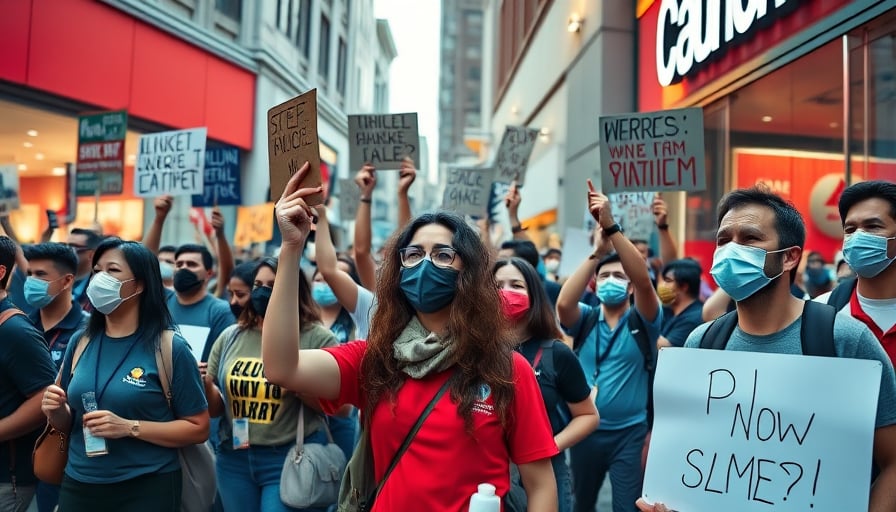
In early December, employees at Zalando’s logistics hub in Brandenburger, predominantly of Polish nationality, organized a protest demanding higher wages and improved working conditions. The demonstration, captured by German and Polish media, underscores ongoing scrutiny of the company’s labour practices across its supply chain.
Simultaneously, Zalando has entered into a partnership with the German Football Association (DFB). This collaboration is anticipated to expand the retailer’s customer base and lift sales volumes, particularly in the high‑visibility summer and holiday seasons when sporting events drive consumer traffic. Analysts view the alliance as a strategic effort to differentiate Zalando in an increasingly crowded e‑commerce landscape, leveraging the DFB’s brand equity to bolster customer acquisition and loyalty.
Profitability Concerns Persist
Despite the potential upside from the DFB partnership, market observers remain circumspect about Zalando’s profitability trajectory. The company continues to confront margin compression stemming from rising logistics costs, intensified pricing pressure from competing platforms, and the necessity of ongoing investments in digital infrastructure and customer experience. Current earnings reports suggest that while revenue growth remains robust, operating margins have declined relative to the prior fiscal year, reflecting the broader industry trend of balancing scale with profitability.
Institutional Investor Sentiment
Zalando’s share price has exhibited modest volatility in recent trading sessions. Institutional investors, however, have largely preserved their positions, indicating confidence in the company’s long‑term strategy. Fund holdings data reveal that major asset managers have maintained exposure to the retailer, citing its strong market position in the European fashion segment and its capacity to adapt to shifting consumer preferences.
Near‑Term Focus
In the short term, stakeholders will likely concentrate on how Zalando addresses its workforce concerns. The company’s response to the Brandenburger protest—whether through wage adjustments, improved working conditions, or broader supply‑chain reforms—will be critical for sustaining operational stability and protecting its employer brand. Concurrently, Zalando must navigate the trade‑off between pursuing revenue growth through high‑profile partnerships and tightening its cost base to preserve margin integrity.
Cross‑Sector Implications
Zalando’s experience reflects a broader trend in the retail sector, where labour issues and margin pressures are increasingly intertwined with strategic partnerships. Companies in adjacent industries, such as electronics and consumer goods, are similarly exploring collaborations with cultural and sporting institutions to drive brand differentiation while confronting tightening margins. This convergence suggests that firms which successfully balance workforce welfare, strategic alliances, and cost discipline are better positioned to withstand macroeconomic headwinds and deliver sustained shareholder value.