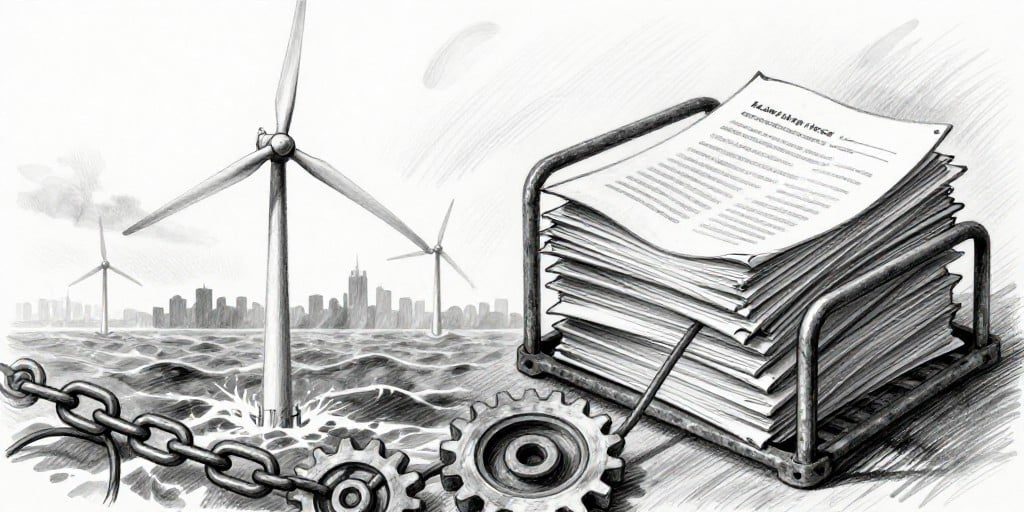
Corporate Actions of TotalEnergies SE in the Context of Global Energy Market Dynamics
Executive Summary
TotalEnergies SE has unveiled a suite of workforce‑focused initiatives and strategic financial measures aimed at sustaining operational resilience amid a period of escalating energy costs. The company has announced a special value‑sharing bonus for December 2026, a staff‑targeted capital increase, and an ongoing commitment to a five‑percent annual dividend growth through 2030. Operationally, TotalEnergies has divested a 10 % non‑operated interest in the Renaissance joint venture in Nigeria, while maintaining full economic exposure to the gas licences that underpin Nigeria LNG. In addition, the firm has introduced fleet‑card benefits to mitigate higher fuel prices for employees and completed a 2.5 million‑share repurchase programme during the week of 19–23 October 2026. These corporate moves are examined against the backdrop of current supply‑demand fundamentals, emerging technological innovations in energy production and storage, and evolving regulatory frameworks that shape both traditional and renewable energy sectors.
Market Context
Supply‑Demand Fundamentals
- Commodity Price Volatility: Global crude oil prices have shown a 12 % rise over the last 12 months, driven by constrained production in OPEC+ and geopolitical tensions in key producing regions. Natural gas prices, measured in the Henry Hub, have similarly climbed, reflecting a mismatch between demand for gas‑fired power and supply constraints.
- Demand Shifts: Industrial and commercial sectors continue to consume significant volumes of petroleum products, while electricity demand is being increasingly met through gas‑fired generation and emerging renewable sources. The European Union’s 2030 targets for carbon neutrality are accelerating the transition to lower‑carbon fuels, but short‑term demand for fossil fuels remains robust.
- Infrastructure Developments: New pipelines and LNG terminal projects are under construction in the Middle East and the United States, which will increase supply capacity over the next five years. Conversely, aging infrastructure in parts of Europe could constrain distribution capacity, prompting higher logistics costs.
Technological Innovations
- Enhanced Oil Recovery (EOR): Advanced CO₂‑EOR techniques are reducing the carbon intensity of new oil extraction, allowing firms like TotalEnergies to extract additional volumes from mature fields without expanding surface infrastructure.
- Energy Storage: Battery‑based grid storage projects in the United States and Europe have reduced the curtailment of renewable generation, thereby stabilising electricity supply and enabling higher penetration of wind and solar. TotalEnergies’ investment in medium‑term storage projects aligns with this trend, ensuring that renewable output can be monetised during off‑peak periods.
- Hydrogen Economy: Hydrogen production via steam‑methane reforming (SMR) with carbon capture and storage (CCS) is gaining traction, particularly in the European hydrogen corridor. TotalEnergies’ involvement in hydrogen projects is positioned to capitalize on this emerging market.
Regulatory Impacts
- Carbon Pricing: The EU Emissions Trading System (ETS) continues to impose higher marginal costs on high‑carbon fuels. Firms that can internalise these costs through efficient operational practices, such as energy‑efficiency retrofits or low‑carbon technology adoption, gain a competitive advantage.
- Renewable Portfolio Standards (RPS): In jurisdictions such as the United States and Brazil, RPS mandates are tightening, encouraging utilities to source a larger share of electricity from renewables. This regulatory shift indirectly supports the development of complementary gas infrastructure, as natural gas often serves as a bridge fuel in the transition.
- Capital‑Market Regulations: Share‑repurchase and dividend policies are increasingly scrutinised for alignment with shareholder value creation and long‑term sustainability goals. TotalEnergies’ repurchase programme, conducted within regulatory approval limits, demonstrates compliance while supporting share price stability.
TotalEnergies’ Corporate Measures
Workforce‑Focused Incentives
- Value‑Sharing Bonus
- A special value‑sharing bonus for December 2026 is earmarked for employees worldwide, with payment in France to be settled in December during negotiations with employee representatives.
- By linking remuneration to corporate performance, TotalEnergies incentivises productivity and aligns staff interests with shareholder returns.
- Staff Capital Increase
- The board authorised a new capital increase reserved for staff, offering a discount on shares and a free share for each purchase, capped at a maximum number of shares.
- This strategy deepens employee ownership, potentially enhancing long‑term commitment and reducing short‑term volatility in share price movements.
- Dividend Growth Commitment
- TotalEnergies has reaffirmed its dividend growth plan, targeting at least a five‑percent annual increase through 2030.
- The policy rewards employees who invest in the company, thereby encouraging a more stable shareholder base amid market fluctuations.
Operational Adjustments
- Nigeria Renaissance Divestment
- The divestment of a 10 % non‑operated interest in the Renaissance joint venture, sold to Vaaris, frees capital while preserving full economic exposure to the gas licences that supply half of Nigeria LNG.
- This maneuver maintains a strong position in Nigeria’s gas market, a critical component of the firm’s mid‑term strategy to balance traditional oil assets with gas‑fired power generation.
- Fleet Card Benefits
- Issuing fleet cards to staff, offering discounted gasoline and diesel at TotalEnergies service stations, mitigates the impact of rising fuel costs on employees.
- The program reflects a broader corporate responsibility initiative, aligning employee welfare with corporate sustainability goals.
- Share Repurchase Programme
- Between 19–23 October 2026, TotalEnergies repurchased approximately 2.5 million shares at an average price of €81 per share, consistent with its policy to support share price and return value to shareholders within regulatory frameworks.
- Such repurchases can signal management confidence in the company’s intrinsic value and help offset dilution from employee‑focused capital increases.
Balancing Short‑Term Trading with Long‑Term Transition
- Short‑Term Dynamics: The firm’s repurchase programme and workforce incentives are tactical responses to current market volatility and employee cost pressures. They help stabilize the share price and sustain morale during a period of elevated energy costs.
- Long‑Term Outlook: By maintaining robust positions in Nigeria’s LNG supply chain and investing in emerging hydrogen and storage technologies, TotalEnergies positions itself to thrive in a decarbonising market. The dividend growth commitment signals confidence in sustainable, long‑term earnings, encouraging investor loyalty even as the energy transition accelerates.
Conclusion
TotalEnergies’ recent corporate actions illustrate a multi‑layered strategy that integrates employee welfare, shareholder value creation, and operational optimisation within a complex global energy landscape. By balancing short‑term measures—such as share repurchases and workforce incentives—with long‑term commitments to renewable innovation and gas‑based supply chains, the company is poised to navigate the evolving dynamics of supply and demand, regulatory shifts, and technological progress that define the contemporary energy sector.