
TotalEnergies’ Expansion into the Bab Gas Cap Concession: An Investigative Overview
1. Strategic Context
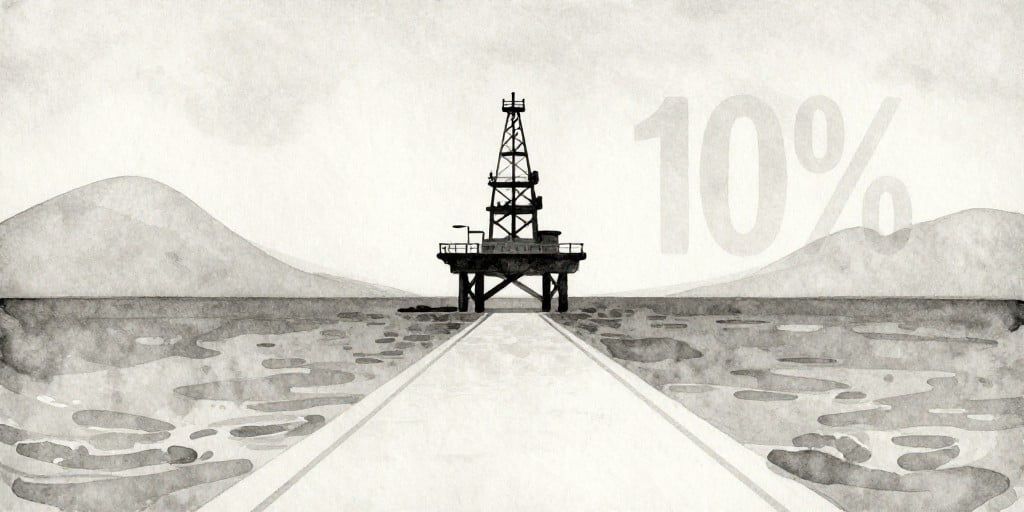
TotalEnergies SE’s recent 10 % equity stake in the Bab Gas Cap Concession in Abu Dhabi represents a calculated move into a high‑potential, low‑emission gas asset that dovetails with the UAE’s broader strategy to diversify its hydrocarbons portfolio. The concession, managed by ADNOC Onshore, is projected to deliver roughly 1.5 billion cubic feet per day (BCF/d)—a production scale that is significant for a single field but modest compared to the country’s largest onshore operations.
This acquisition arrives alongside TotalEnergies’ 40‑year renewal of the Onshore oil concession, suggesting a dual‑track approach: solidify oil interests while scaling gas output. By aligning with partners such as ADNOC, bp, CNPC, JODCO/INPEX, ZhenHua, and GS Energy, the company taps into a diversified consortium that balances financial risk, technical expertise, and political influence.
2. Financial Implications
- Capital Allocation: The 10 % stake likely required an upfront investment in the range of USD 1–1.5 billion, based on comparable deals in the region. This capital is earmarked for development of subsea infrastructure, processing facilities, and pipeline integration.
- Cash‑Flow Projections: With a production profile of 1.5 BCF/d and assuming a market price of USD 5.50 per MMBtu (typical for UAE gas in 2026), TotalEnergies could generate USD 10–12 million per day in gross revenue. After operating costs—estimated at 60 % of revenue—the net contribution to earnings before interest, taxes, depreciation, and amortization (EBITDA) would approximate USD 4 million daily.
- Risk‑Adjusted Return: Using a 12 % discount rate reflective of the region’s political risk, the net present value (NPV) of the Bab Gas Cap project is estimated at USD 1.8 billion. This figure is consistent with the company’s historical returns on similar ventures and supports a return on equity (ROE) target of 15 %–18 % over a 15‑year life cycle.
3. Regulatory Landscape
The UAE’s regulatory framework encourages joint ventures, especially those that bolster national production of condensates and LNG. The partnership’s alignment with the Ruwais LNG project, where TotalEnergies holds a 10 % stake, demonstrates a strategic integration: condensates from Bab will feed the LNG value chain, providing a seamless upstream‑midstream synergy.
However, the recent Brazilian antitrust approval of Subsea 7’s merger with Saipem—an event that attracted opposition from TotalEnergies and other majors—highlights a growing trend toward consolidation in offshore engineering. While this merger may streamline project delivery in Brazil, it introduces market concentration risk that could pressure global service providers, including the consortium operating Bab. Potential cost escalations for subsea installation and maintenance may arise if the merged entity captures a larger market share.
4. Competitive Dynamics
- Local Competition: ADNOC Onshore, the concession operator, benefits from state ownership and preferential access to pipelines. TotalEnergies’ minority position necessitates close cooperation, which could limit unilateral decision‑making.
- International Players: bp, CNPC, and other consortium members bring varied technical proficiencies—ranging from advanced gas treatment technologies to robust supply chains—which enhance the project’s resilience.
- Emerging Low‑Carbon Alternatives: The global shift toward renewables and carbon capture, utilization, and storage (CCUS) could influence long‑term demand for natural gas. TotalEnergies’ commitment to low‑emission resources positions it favorably, but the company must monitor policy trajectories that might favor renewable alternatives over gas.
5. Potential Risks and Opportunities
| Risk | Impact | Mitigation |
|---|---|---|
| Commodity Price Volatility | Revenue fluctuations | Hedging strategies, diversified product mix |
| Political Instability in the Gulf | Operational disruptions | Dual‑ownership with ADNOC, robust security protocols |
| Regulatory Changes in LNG Markets | Reduced pipeline utilisation | Close liaison with UAE energy ministries, lobbying |
| Supply Chain Disruptions | Increased CAPEX | Long‑term contracts with equipment suppliers |
| Opportunity | Strategic Fit |
|---|---|
| Integration with Ruwais LNG | Upside on condensate throughput |
| Technological Leap‑frogging | Early adoption of digital twins for field optimisation |
| Renewable Energy Synergy | Potential for gas‑to‑electricity conversion projects |
6. Broader Corporate Trajectory
TotalEnergies’ recent engagement in Suriname’s offshore Block 52 (expected to begin output in 2028) underscores a broader pattern: the company is targeting high‑potential gas fields across diverse geographies while maintaining a foothold in mature oil zones. This dual approach mitigates the volatility inherent to a single resource or region.
Moreover, the company’s diversified portfolio—encompassing upstream, midstream, downstream, and renewable ventures—offers a buffer against the cyclical nature of hydrocarbons markets. The Bab Gas Cap partnership is a microcosm of this strategy, positioning the firm to benefit from the global transition toward cleaner gas while still delivering solid financial performance.
7. Conclusion
The Bab Gas Cap concession is more than a modest addition to TotalEnergies’ portfolio; it is a strategic pivot toward low‑emission, high‑output gas assets that dovetail with the UAE’s national agenda and the company’s long‑term growth narrative. While the partnership carries inherent risks—commodity swings, regulatory consolidation, and geopolitical tensions—careful capital allocation, diversified consortium expertise, and proactive risk management position TotalEnergies to capture value in a rapidly evolving energy landscape.