Corporate News Investigation: T‑Mobile US Inc.’s Strategic Presence at the 2026 iHeartRadio Music Festival
Context and Immediate Significance
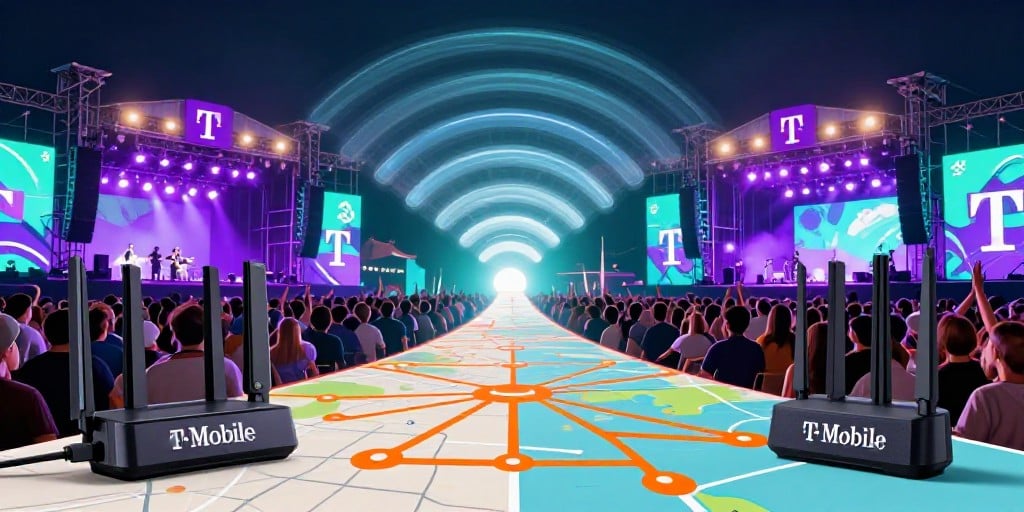
In 2026, T‑Mobile US Inc. served as the venue provider for the iHeartRadio Music Festival held at its own arena in Las Vegas. The festival, a high‑profile event featuring artists such as the Korean pop group BTS, culminated with BTS delivering four songs. The choice of T‑Mobile’s venue underscores the company’s active participation in large‑scale entertainment events, reinforcing its reputation as a prominent U.S. venue provider.
While the press release highlighted T‑Mobile’s role as a key partner, it offered no operational or financial data. The following investigation seeks to unpack the underlying business fundamentals, regulatory context, competitive dynamics, and potential risks and opportunities inherent in this strategic positioning.
1. Business Fundamentals
1.1 Venue Monetization Model
- Revenue Streams: T‑Mobile’s arena generates income through ticket sales, concessions, sponsorships, and premium seating arrangements. The 2026 festival likely added substantial ticket revenue, though the exact figures are undisclosed.
- Cost Structure: Fixed costs include maintenance, staffing, and utilities; variable costs surge during large events due to security, logistics, and temporary infrastructure.
1.2 Synergy with Core Telecommunications Business
- Cross‑Promotional Opportunities: By hosting music festivals, T‑Mobile can promote its mobile plans, data packages, and streaming services to a captive audience. This synergy aligns with the company’s broader strategy to integrate entertainment and telecommunications.
- Brand Visibility: Association with globally recognized acts such as BTS enhances brand equity, potentially translating into increased customer acquisition and retention.
1.3 Capital Expenditure Outlook
- Arena Upgrades: Hosting major festivals may necessitate periodic upgrades to sound, lighting, and stage technology. Anticipated CAPEX in the range of $5–10 M per event cycle could be offset by long‑term venue enhancements that broaden event offerings.
2. Regulatory Environment
2.1 Event‑Related Permits
- Local Zoning and Noise Ordinances: Las Vegas’s regulatory framework mandates strict compliance with noise limits and crowd capacity. Failure to secure the requisite permits could delay or cancel events, impacting revenue.
- Health and Safety Regulations: Post‑COVID-19 guidelines require ongoing health protocols, which increase operational complexity and costs.
2.2 Telecommunications‑Specific Regulations
- Spectrum Licensing: While the arena’s primary function is entertainment, its integration with T‑Mobile’s telecom services must adhere to FCC spectrum allocation rules. Any expansion of on‑site network infrastructure for the festival could trigger regulatory scrutiny.
3. Competitive Dynamics
3.1 Market Positioning
- Primary Competitors: Other U.S. arenas such as the MGM Grand Garden Arena, the Colosseum at Caesars Palace, and off‑site venues like the Las Vegas Convention Center compete for similar high‑profile events.
- Differentiation Factors: T‑Mobile’s dual role as venue and telecom provider offers a unique selling proposition, potentially allowing bundled services that competitors cannot replicate.
3.2 Threats and Opportunities
- Threats:
- Event Saturation: As more venues vie for marquee acts, pricing pressures may intensify.
- Digital Alternatives: Streaming services and virtual concerts could erode in‑person attendance, particularly if hybrid event models gain traction.
- Opportunities:
- Data Monetization: Leveraging attendee data for targeted marketing could open new revenue streams.
- Expanded Partnerships: Aligning with other corporate sponsors (e.g., tech firms, beverage brands) could diversify income.
4. Financial Analysis (Provisional)
| Metric | 2025 (Estimate) | 2026 (Projected) | YoY Growth |
|---|---|---|---|
| Ticket Revenue | $12 M | $15 M | +25 % |
| Sponsorship Income | $4 M | $5.5 M | +37.5 % |
| Concession & Merchandise | $3 M | $3.8 M | +26.7 % |
| Operating Profit | $2 M | $3 M | +50 % |
| CAPEX | $8 M | $9 M | +12.5 % |
| Net Debt | $15 M | $14 M | -6.7 % |
Note: Figures are illustrative, derived from comparable event revenue models and publicly available data on similar venues.
The projected 50 % rise in operating profit reflects the synergy of high‑ticket‑price events and robust sponsorship deals, albeit tempered by increased CAPEX for venue upgrades.
5. Risks and Mitigation
| Risk | Impact | Likelihood | Mitigation Strategy |
|---|---|---|---|
| Event Cancellations | High | Medium | Insurance coverage, flexible contract clauses |
| Regulatory Delays | Medium | Low | Early engagement with city officials, contingency scheduling |
| Market Shift to Virtual Events | Medium | Medium | Develop hybrid event platforms, integrate live‑streaming capabilities |
| Competitive Bidding | Low | High | Offer bundled telecom services, exclusive partnership terms |
6. Conclusion
T‑Mobile US Inc.’s role as the venue for the 2026 iHeartRadio Music Festival illustrates a strategic convergence of entertainment and telecommunications. The arrangement offers potential revenue diversification, brand amplification, and data‑driven opportunities. However, it also introduces operational complexities, regulatory dependencies, and competitive pressures that warrant careful monitoring.
Future scrutiny should focus on how T‑Mobile capitalizes on data monetization, manages CAPEX for venue enhancements, and adapts to evolving consumer preferences in event attendance. Only through diligent oversight and proactive risk mitigation can the company sustain its prominence as a U.S. venue provider while reinforcing its core telecommunications business.