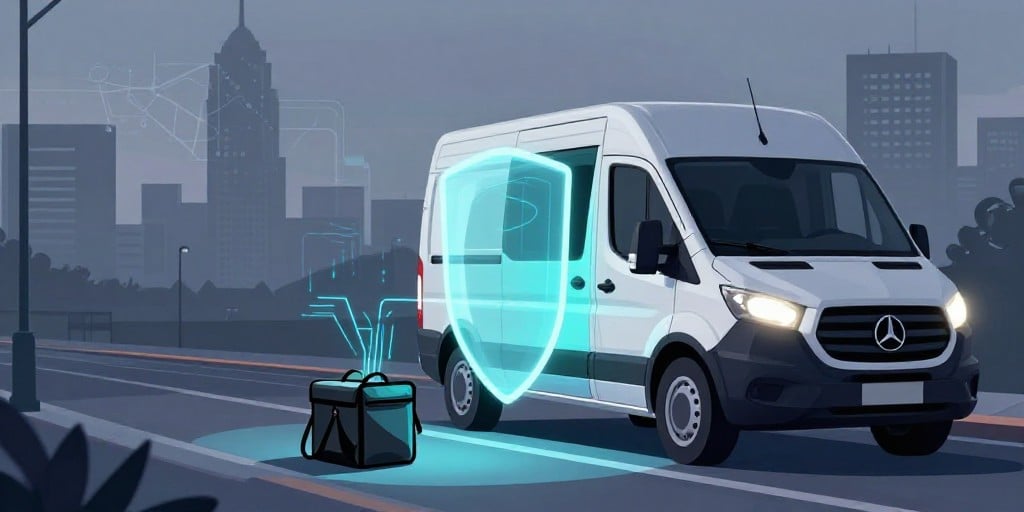
Corporate Implications of a High‑Profile Incident Involving a Delivery Driver
The incident in Austin, Texas, in which a 28‑year‑old Venezuelan national employed by DoorDash was shot by a U.S. immigration officer while completing a delivery, has reverberated far beyond the immediate human tragedy. While the event itself is a matter of public safety and criminal justice, its ramifications for the gig‑economy and consumer‑facing businesses are significant. Companies that rely on crowdsourced labor, as well as the broader retail ecosystem that increasingly blends digital ordering with physical delivery, must now consider how such incidents impact brand perception, operational risk, and regulatory exposure.
1. Digital Transformation Meets Physical Retail
The DoorDash incident underscores the blurred boundaries between digital platforms and physical retail. The company’s model depends on a seamless integration of an app‑based marketplace with the tangible act of delivering goods to consumers’ doorsteps. The safety of drivers is therefore not merely an employment issue but a core component of the customer experience. If consumers perceive that a delivery service exposes its drivers to undue risk—whether from traffic hazards, hostile environments, or, as in this case, law‑enforcement encounters—trust in the brand may erode.
Retailers that partner with gig‑delivery services must re‑examine their risk‑management frameworks. This includes reviewing contractual clauses that address driver safety, establishing protocols for reporting and responding to incidents, and ensuring that customer-facing messaging acknowledges and mitigates potential safety concerns.
2. Generational Spending Patterns and Workforce Demographics
The gig economy is heavily populated by younger workers—Millennials and Gen Z—who value flexibility, technology, and autonomy. These demographics also exhibit distinctive spending behaviors, favoring experiences over material goods and prioritizing brands that align with their values, including social responsibility and ethical labor practices. The Texas shooting thus signals a potential misalignment between consumer expectations and the operational realities of gig‑delivery platforms.
If such incidents become more frequent or receive heightened media coverage, the trust gap could widen, prompting a shift in consumer spending toward brands that offer safer, more transparent delivery models—such as traditional retailers with established logistics networks or companies that invest in autonomous delivery technologies. The resulting pressure could force gig platforms to accelerate the deployment of safety protocols, driver training programs, and possibly the integration of autonomous or semi‑autonomous delivery solutions to reduce direct human exposure.
3. Cultural Movements and the Demand for Ethical Business Practices
Current cultural movements emphasize social justice, worker protection, and institutional accountability. The call for an independent investigation by civil‑rights attorneys and community leaders is emblematic of broader societal demands that businesses cannot ignore. For corporate stakeholders, the key is to translate these cultural shifts into concrete policies that demonstrate a commitment to employee welfare and community safety.
In practice, this might involve:
- Transparent Reporting: Regularly publishing data on incident rates, response times, and resolution outcomes related to driver safety.
- Third‑Party Audits: Engaging independent auditors to assess compliance with safety standards and to recommend corrective actions.
- Stakeholder Engagement: Convening forums that include drivers, consumers, and civil‑rights advocates to shape safety initiatives.
These steps serve not only to mitigate reputational risk but also to position companies as leaders in responsible commerce, thereby attracting consumers who prioritize ethical considerations in their purchasing decisions.
4. Forward‑Looking Analysis: Market Opportunities
The intersection of digital transformation, physical retail, and evolving consumer expectations presents several tangible opportunities:
| Opportunity | Description | Potential Impact |
|---|---|---|
| Safety‑First Technology | Development of real‑time driver monitoring and emergency‑response systems. | Enhances driver confidence, reduces incident risk, and strengthens brand credibility. |
| Hybrid Delivery Models | Combining gig‑delivery with dedicated logistics fleets for high‑risk areas. | Balances flexibility with control, appealing to safety‑concerned customers. |
| Ethical Brand Positioning | Public commitments to driver welfare, inclusive hiring practices, and community partnerships. | Differentiates from competitors, aligning with Gen Z and Millennial values. |
| Autonomous Delivery R&D | Investment in drone, robot, or self‑driving vehicle technology. | Long‑term risk reduction and cost efficiencies, positioning the company as an innovation leader. |
| Regulatory Collaboration | Working with government agencies to shape safe‑work standards for gig workers. | Positions the firm as a policy influencer and mitigates future legal exposure. |
5. Conclusion
The Austin shooting involving a DoorDash driver is a stark reminder that the digital economy’s promise of convenience comes with complex human and operational dimensions. For corporations operating at the nexus of digital platforms and physical retail, the incident offers a cautionary tale and a catalyst for strategic innovation. By proactively addressing driver safety, aligning business practices with emerging cultural expectations, and capitalizing on the shift toward ethical consumerism, companies can turn a crisis into a competitive advantage—ensuring sustainable growth while upholding the welfare of the people who deliver their products.