
Corporate News
Telenor ASA, listed on the Oslo Stock Exchange, continues to solidify its position as a prominent player in the telecommunications and media landscape. The company’s diversified portfolio—encompassing mobile, fixed‑telephony, broadband, and television services—spans the Nordic region as well as key markets in Central and Eastern Europe and Asia. Recent market data reveal a modest upward trajectory in the share price, with the closing level nearing the upper boundary of the current 52‑week range. This performance places Telenor’s market capitalisation among the larger firms in the sector, while its price‑earnings ratio remains in line with peers within the diversified telecommunications industry.
Technology Infrastructure and Content Delivery
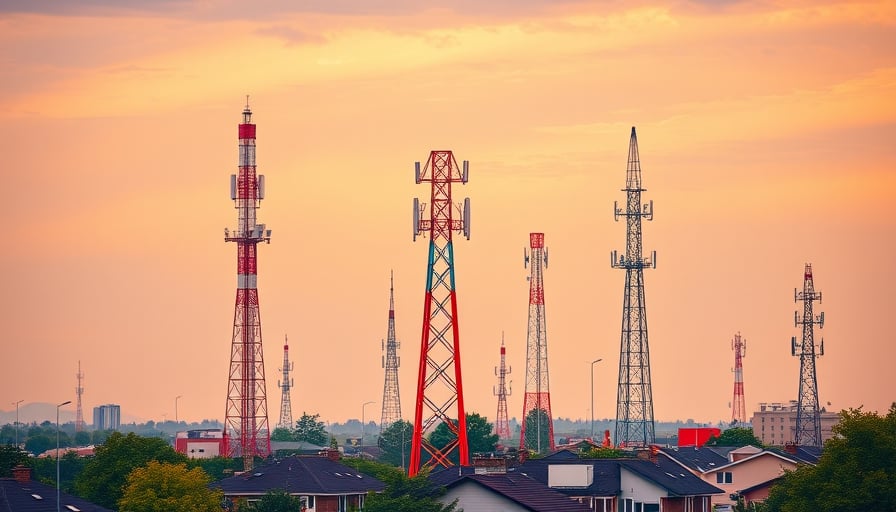
The intersection of technology infrastructure and content delivery is increasingly pivotal for telecom operators that are expanding into the media domain. Telenor’s investment in 5G infrastructure supports higher bandwidth and lower latency, essential for delivering premium content such as high‑definition video streams and immersive experiences. As network capacity expands, operators can offer differentiated content bundles that combine connectivity with curated media libraries, thereby driving subscriber engagement and average revenue per user (ARPU).
Subscriber Metrics and Content Acquisition Strategies
Telenor’s subscriber base exhibits a steady growth rate, with recent quarterly figures indicating a 3.5 % year‑over‑year increase in active mobile users. The company’s television service, Telenor TV, accounts for 15 % of total subscribers, reflecting a gradual shift toward bundled offerings. To sustain this trend, Telenor has accelerated its content acquisition strategy, securing exclusive streaming rights for regional sports events and partnering with international production houses for original series. These initiatives aim to reduce churn and enhance the perceived value of its bundled packages.
Financial metrics underscore the viability of these strategies. In the latest fiscal year, Telenor reported a gross margin of 48 % on its media segment, up from 44 % in the previous year. The incremental revenue from content services contributed 12 % of total operating income, indicating a profitable expansion into media delivery.
Network Capacity Requirements and Emerging Technologies
The deployment of 5G networks across Telenor’s operating regions has led to a projected 20 % increase in peak network capacity by 2027. This upgrade is critical to support high‑bandwidth applications such as virtual reality (VR) streaming and real‑time gaming. Moreover, the adoption of edge computing and network slicing technologies will enable Telenor to offer low‑latency services tailored to specific content providers, thereby creating new revenue streams and enhancing customer experience.
Emerging technologies such as artificial intelligence‑driven content recommendation engines are also being explored. By integrating machine learning algorithms into its platform, Telenor can personalize content offerings, increase user dwell time, and generate additional advertising revenue.
Competitive Dynamics and Consolidation
The streaming market continues to be highly fragmented, with global giants like Netflix, Disney+, and Amazon Prime Video dominating the top tiers. In the Nordic and Central European markets, local operators—such as Telia, Elisa, and B Kasa—are aggressively pursuing joint ventures to secure exclusive rights and build regional content libraries. Telenor’s strategic partnerships with regional broadcasters and content distributors position it competitively against these incumbents.
Telecommunications consolidation is also accelerating, driven by the need for economies of scale in 5G rollout and content distribution. Recent mergers in the European telecom space—such as the planned consolidation between Deutsche Telekom and Vodafone—highlight the strategic imperative for operators to combine infrastructure and content assets. Telenor’s ongoing investments in both network expansion and content acquisition could make it an attractive partner or acquisition target in the coming years.
Media Consumption Patterns and Market Positioning
Audience data indicate a shift toward on‑demand streaming, with 62 % of Telenor’s users accessing video content via mobile devices. The rise of short‑form and interactive content has also influenced viewing habits, prompting Telenor to explore partnerships with platforms that offer user‑generated content. Additionally, the increasing demand for localized content—particularly in emerging markets—provides an opportunity for Telenor to leverage its regional presence.
Financial performance reflects this shift. Subscription revenue from the media segment grew by 9 % YoY, while advertising income increased by 15 % as a result of targeted, data‑driven campaigns. These figures suggest that Telenor’s integrated approach to telecommunications and media is yielding a favorable return on investment and strengthening its competitive positioning.
In conclusion, Telenor ASA’s strategic emphasis on expanding 5G capabilities, enhancing network capacity, and securing high‑quality content assets aligns with broader industry trends. By marrying robust technology infrastructure with compelling content delivery, the company is poised to capture growing subscriber demand, navigate competitive consolidation, and capitalize on emerging technologies that shape future media consumption patterns.