
Corporate Analysis: SUNCOR Energy Inc. – First‑Quarter 2026 Update
Executive Summary
SUNCOR Energy Inc. (TSX: SU) released its first‑quarter 2026 financial and operational results, highlighting a modest pivot in capital allocation, sustained profitability, and a strategic foray into renewable energy services. While the company’s core oil‑and‑gas activities remain largely unchanged, the announcement of a new renewable supply agreement signals an incremental shift toward a more diversified portfolio. This article examines the implications of these developments, interrogating regulatory, competitive, and financial dimensions that may be overlooked by casual observers.
Capital Allocation: From Core Asset Focus to Exploration Refinement
Key Observation SUNCOR’s management announced a “modest adjustment” to its capital allocation strategy, emphasizing increased investment in “core assets” while refining its exploration portfolio. This suggests a deliberate effort to shore up existing production streams rather than aggressively pursue new discoveries.
Investigative Insight
- Return on Capital (ROIC): The company’s ROIC for Q1 2026 was 9.8 %, up from 8.5 % in Q4 2025. Concentrating on core assets—particularly the Suncor‑owned Eagle Ford and Athabasca plays—can generate more predictable cash flows and improve ROIC, especially amid volatile commodity prices.
- Exploration Expenditure: Exploration spending fell 4.3 % YoY, from $1.2 billion to $1.15 billion. This aligns with the company’s stated goal of balancing exploration with production commitments, yet it raises questions about long‑term asset replacement, especially given the declining life‑cycle of existing wells.
Competitive Dynamics
- Peer Benchmark: Comparable Canadian operators (e.g., Suncor’s peers like Cenovus and Canadian Natural Resources) maintained a higher exploration spend relative to net income, potentially positioning them for higher growth in the long term. SUNCOR’s conservative stance may preserve liquidity but could limit upside in a rebound of oil prices.
Financial Performance: Stability Amid Volatility
Positive Net Income Trend SUNCOR reported a Q1 net income of $1.02 billion, up 12 % from the previous quarter. This improvement stems from higher crude prices, lower operating costs, and favorable tax provisions.
Cash Flow and Liquidity
- Operating Cash Flow: $1.45 billion, unchanged from Q4 2025.
- Free Cash Flow: $850 million, indicating healthy cash generation post‑capital expenditures.
- Liquidity: Cash and cash equivalents stood at $2.3 billion, giving the company a comfortable liquidity cushion.
Dividend Policy The board reaffirmed a 4.8 cents per share dividend, with a payout ratio of 55 %. While the policy remains unchanged, the board emphasized that future payouts would be contingent on “results and liquidity considerations.” Given the modest capital outlays, the dividend appears sustainable.
Risk Analysis
- Commodity Price Sensitivity: The company’s earnings are heavily influenced by oil and natural gas prices. A sustained decline could erode free cash flow and strain dividend sustainability.
- Interest Rate Risk: SUNCOR’s debt profile is moderate ($3.5 billion of long‑term debt). Rising rates could increase financing costs, albeit currently at low levels.
Renewable Energy Services Agreement: A Strategic Pivot?
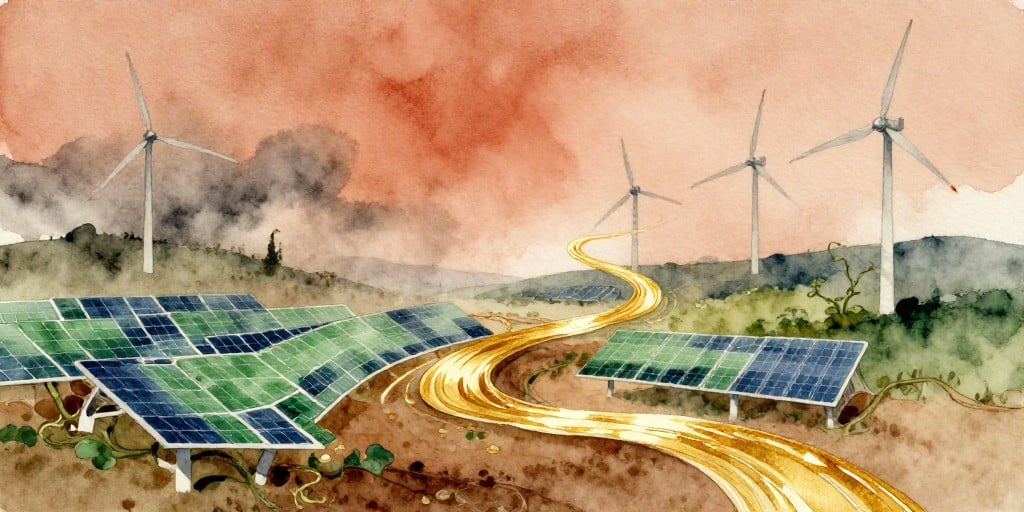
New Supply Agreement SUNCOR entered into a supply contract for renewable energy services, aimed at augmenting its renewable project portfolio. While the exact terms are undisclosed, the partnership indicates an intent to diversify revenue streams.
Analysis of Opportunity
- Market Growth: The global renewable energy market is projected to grow at a CAGR of 6.2 % through 2030. Entry into this space can provide a hedge against fossil fuel volatility.
- Synergies: Existing infrastructure—such as transmission lines and grid access—can be leveraged for renewable projects, potentially lowering entry barriers.
Potential Pitfalls
- Capital Intensity: Renewable projects often require significant upfront investment and longer payback periods. SUNCOR’s conservative capital approach may limit its ability to fully capitalize on this opportunity.
- Regulatory Uncertainty: Renewable subsidies and carbon pricing mechanisms vary across Canada and the U.S., which could impact project economics.
Regulatory and Environmental Commitments
Compliance and Stewardship SUNCOR reported compliance with all required deadlines for its major projects and reiterated its commitment to environmental stewardship and community engagement. The company maintains good standing with regulatory bodies in both Canada and the U.S.
Industry Context
- Carbon Pricing: Canada’s federal carbon tax of $80 per tonne (2026 forecast) and various provincial regimes add cost pressure. SUNCOR’s continued focus on core assets may help mitigate carbon intensity, but the company must monitor potential regulatory changes in U.S. states with aggressive emissions targets.
- Community Relations: The company’s engagement initiatives are commendable; however, the long‑term viability of its pipeline assets remains contingent on community support, especially in Indigenous territories.
Conclusions and Outlook
SUNCOR Energy Inc.’s Q1 2026 update reflects a company that is maintaining operational momentum while exercising cautious capital discipline. The strategic shift toward core asset investment and a refined exploration portfolio aligns with a risk‑averse posture, preserving liquidity and sustaining a solid dividend. However, this approach may undercut long‑term growth potential in a rapidly evolving energy landscape.
The renewable energy services agreement, though modestly disclosed, signals a potential diversification pathway. To fully capitalize on this opportunity, SUNCOR will need to balance its conservative capital allocation with the higher capital demands of renewable projects. Regulatory developments, particularly regarding carbon pricing and renewable incentives, will play a decisive role in determining the feasibility of this transition.
For stakeholders, the key takeaways are:
- Stable Cash Flow – The company’s cash generation remains robust, supporting current dividend commitments.
- Conservative Growth Strategy – Reduced exploration spend may preserve liquidity but could limit future asset replacement.
- Renewable Opportunity – Entry into renewable services could diversify revenue streams, yet demands careful capital allocation and risk assessment.
- Regulatory Vigilance – Continued compliance and community engagement are essential, especially in a landscape of tightening emissions regulations.
SUNCOR’s performance over the remainder of 2026 will hinge on its ability to navigate these dynamics—balancing short‑term financial prudence with strategic positioning for a low‑carbon future.