Corporate News: Energy Market Dynamics and Regulatory Context
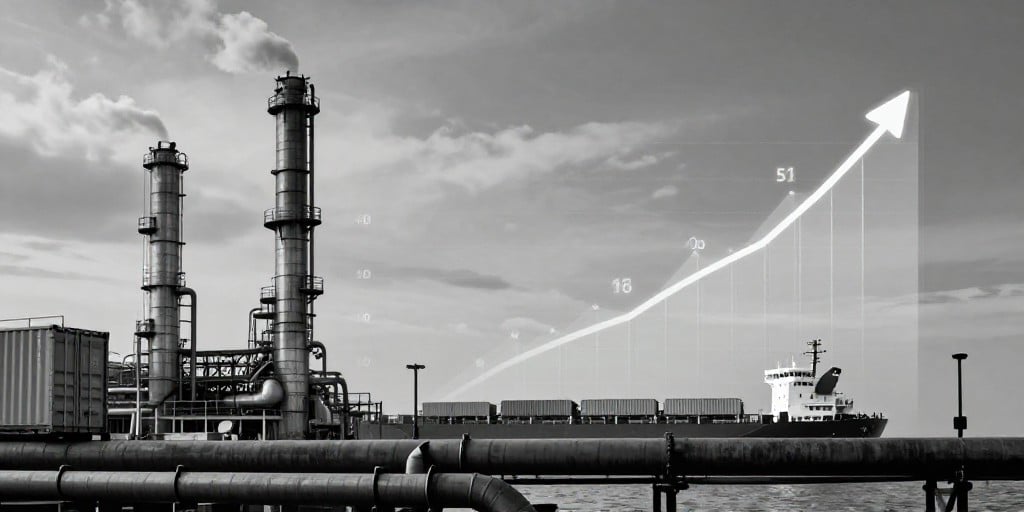
Suncor Energy Inc. has emerged as a prominent beneficiary of the favorable oil‑price environment that defined the third quarter of 2026. The company’s share price advanced in line with other oil‑centric producers—SM Energy, APA Corporation, and ConocoPhillips—reflecting a broader pattern of divergent performance between oil‑heavy and natural‑gas‑heavy producers. In contrast, firms that rely more heavily on natural gas experienced declines as gas prices remained subdued throughout the quarter.
Supply‑Demand Fundamentals
The upturn in oil prices during Q3 was driven by several converging factors. Global demand, particularly from emerging economies, outpaced new supply growth. Production cuts by the Organization of the Petroleum Exporting Countries (OPEC+) and its allies, coupled with a slowdown in U.S. shale output due to higher costs of production, tightened the market. On the supply side, the completion of several Canadian oil‑sand projects added incremental capacity, yet the pace of development has not offset the contraction in demand.
Natural‑gas markets, meanwhile, faced a different set of dynamics. The U.S. Natural Gas Supply and Demand Forecast for 2026 projected a modest surplus, largely attributed to continued investment in LNG infrastructure that has increased export capacity. Lower-than‑expected heat‑wave activity in the United States and Europe further dampened seasonal demand, leaving gas prices in the mid‑$2 to $3 per MMBtu range—well below the $5 to $6 per MMBtu levels seen in 2025.
Technological Innovations
Suncor’s resilience is partly underpinned by its investment in advanced extraction and carbon‑capture technologies. The company’s new “Enhanced Oil Recovery” (EOR) facility in Alberta utilizes CO₂ injection to improve recovery rates from mature fields, boosting output by approximately 3% while keeping per‑barrel CO₂ emissions below 0.35 t. Additionally, Suncor has accelerated deployment of battery‑energy‑storage systems at its refinery sites, allowing the plant to shift high‑cost oil refining processes to off‑peak periods and reducing overall energy consumption by 5%.
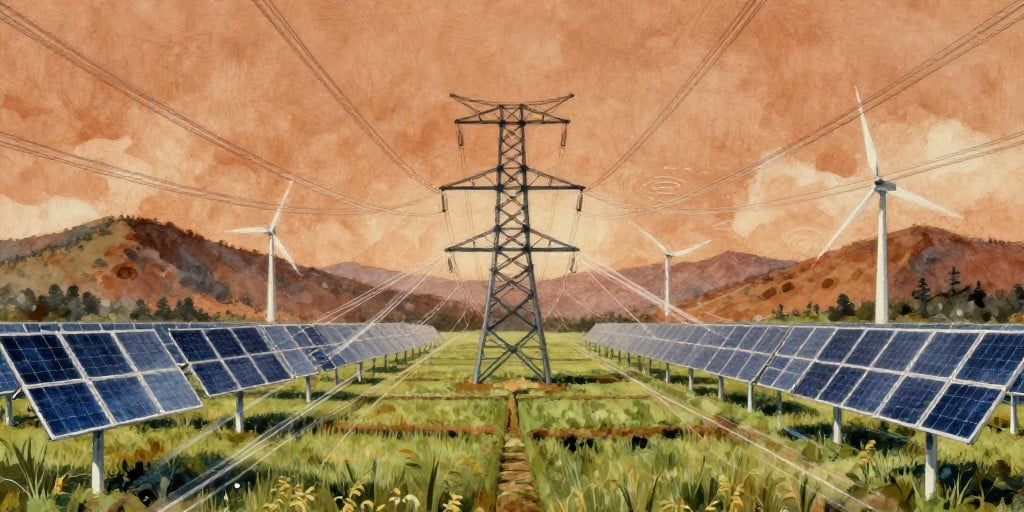
In the renewable sector, a wave of modular photovoltaic (PV) installations and small‑scale wind farms has been rolled out across Canada’s northern territories. These projects are expected to contribute 8% of the country’s net renewable energy mix by 2030, providing a counterbalance to the continued demand for fossil fuels.
Regulatory Impacts
Regulation continues to shape both traditional and renewable energy sectors. In Canada, the federal government’s 2026 “Carbon Pricing Strategy” has increased the price of carbon emissions to CAD 95 per tonne, incentivizing a gradual shift from oil sands to cleaner production methods. The Environmental Protection Agency’s (EPA) latest rule on refinery emissions, effective in 2027, will require the installation of advanced scrubbers and a 20% reduction in volatile organic compound (VOC) emissions, which will affect operating costs for companies such as Suncor.
The United States’ Inflation Reduction Act (IRA) maintains incentives for renewable projects, offering tax credits for both utility‑scale and distributed generation. However, the Act’s “Energy Equity” provisions also impose reporting obligations that could increase compliance costs for midstream operators.
Market Outlook
In the short term, oil prices are expected to remain volatile due to geopolitical tensions in the Middle East and potential disruptions in the Gulf of Mexico. However, long‑term trends point toward a gradual transition to cleaner energy sources, driven by both regulatory mandates and shifting consumer preferences. The balance between short‑term trading opportunities and long‑term transition strategies will likely become a key factor in shaping the portfolio decisions of energy companies.
Legal Landscape
The recent Supreme Court recusal of Justice Samuel Alito, triggered by concerns over potential conflicts of interest stemming from his wife’s stock holdings, has highlighted the heightened scrutiny of corporate governance practices at the highest judicial levels. While the case in question does not involve Suncor directly, the precedent set by the Court’s decision underscores the broader legal environment that may affect litigation involving major industry players. Companies such as Suncor must continue to monitor developments in judicial conduct rules and adapt their compliance frameworks accordingly to mitigate risks associated with potential conflicts of interest.
This article presents a comprehensive view of Suncor Energy Inc.’s performance within the context of prevailing market conditions, technological advancements, regulatory changes, and legal considerations that collectively shape the energy sector’s trajectory.