Sony Group Corp. Navigates Shifting Consumer Landscapes Amid Digital‑Physical Retail Synergy
Sony Group Corp., a cornerstone of Japan’s technology and entertainment industry, has once again found itself at the nexus of evolving consumer behavior, digital transformation, and the enduring appeal of physical retail. While the company’s portfolio spans high‑definition televisions, sophisticated cameras, and cutting‑edge mobile devices, its entertainment arm—particularly Sony Pictures—has demonstrated how content can act as a catalyst for broader market engagement.
Digital Distribution Meets Physical Retail
The recent release of a high‑profile thriller through Sony Pictures underscores a persistent trend: audiences increasingly welcome free, on‑demand content while still valuing the tactile experience of owning hardware. The film’s availability at no cost, coupled with favorable critical reception, has sparked extensive discussion on popular review platforms, amplifying brand visibility without traditional advertising spend.
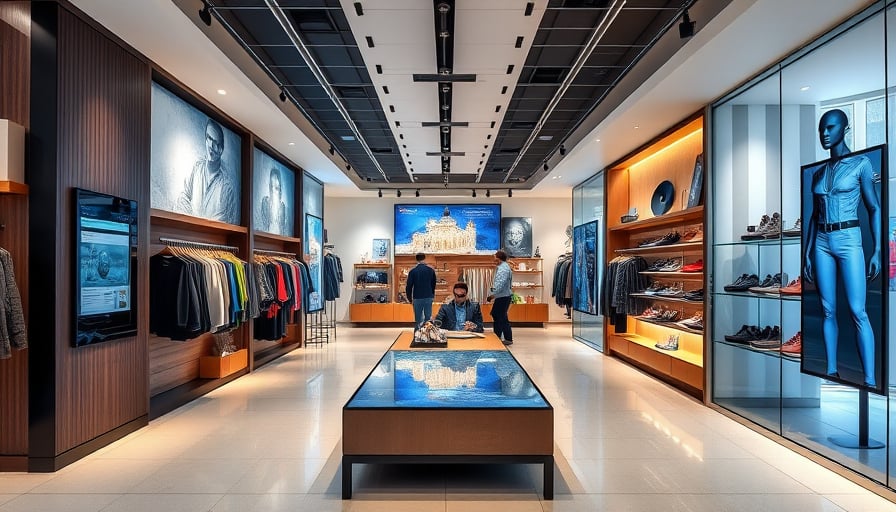
Simultaneously, Sony’s consumer electronics line remains a major draw for shoppers who prefer the immediacy and sensory satisfaction of in‑store purchases. The coexistence of digital media streams and physical product ecosystems illustrates a hybrid model that is becoming essential for consumer‑facing enterprises. Retailers that can seamlessly integrate online catalogues, augmented‑reality try‑on experiences, and in‑store pick‑up or return options will capture the attention of a generation that values both convenience and tangible ownership.
Generational Spending and Cultural Momentum
The company’s target demographic—particularly Millennials and Generation Z—exhibits distinct spending patterns. These cohorts prioritize experiences, social proof, and authenticity. Sony’s strategy of leveraging film releases to generate buzz around its gaming consoles aligns with this preference: the cultural cachet of a well‑received film can translate into heightened interest in related hardware, thereby creating a synergistic sales cycle.
Moreover, the current emphasis on sustainability and ethical consumption among younger consumers places pressure on manufacturers to reduce shipping footprints and carbon emissions. Sony’s reliance on sea freight for delivering PlayStation consoles—an issue that recently prompted a modest dip in share price—highlights the need for logistics innovation. Companies that can demonstrate reduced environmental impact through alternative transportation methods or localized production may gain a competitive edge in this climate.
Geopolitical Tensions and Market Sensitivities
Geopolitical volatility remains a latent risk factor for Sony’s hardware division. Rising shipping costs, prolonged transit times, and regional security concerns could erode profit margins, as evidenced by market reaction to the recent stock decline. Investors’ heightened sensitivity to these variables underscores the importance of resilient supply chains.
Forward‑looking analysis suggests that diversification of logistics networks—such as expanding inland ports, investing in air freight capabilities for high‑value, low‑weight items, and exploring digital‑first product distribution models—could mitigate exposure to external shocks. Additionally, strategic partnerships with local distributors in key growth markets may reduce dependency on long‑haul sea freight.
Market Opportunities and Strategic Imperatives
Integrated Experience Platforms Companies that can coalesce digital media, retail, and experiential services—through immersive in‑store displays, virtual try‑outs, and content‑driven product lines—are likely to capture higher spend per customer.
Sustainable Logistics Innovation Adoption of green shipping alternatives, such as electric freight vessels or rail‑based distribution, can appeal to eco‑conscious consumers and reduce vulnerability to geopolitical disruptions.
Data‑Driven Personalization Leveraging consumer data to tailor product recommendations, targeted streaming content, and dynamic pricing models can enhance conversion rates across both digital and physical channels.
Cross‑Industry Partnerships Alliances between entertainment studios and hardware manufacturers create a closed‑loop ecosystem that benefits from shared intellectual property, co‑branding opportunities, and synchronized release schedules.
As Sony Group Corp. continues to balance its dual legacy of hardware excellence and entertainment innovation, the company’s strategic focus on harmonizing digital convenience with physical presence will serve as a benchmark for other firms navigating the complexities of a rapidly shifting consumer landscape.