
Corporate Update: Snam SpA – Strategic Moves, Analyst Upside, and Credit Stability
Snam SpA, Italy’s leading natural‑gas distribution network operator, has recently attracted renewed analyst attention and demonstrated a modest shift in market sentiment. On 16 December, Goldman Sachs upgraded its earnings forecast for the coming years, raising its 12‑month target price. The bank cited an increased contribution from the company’s subsidiaries and a reduction in certain cost pressures as the main drivers of the upgrade. The adjustment implies a potential upside of roughly a quarter of a percent compared with the share price at the beginning of the month.
In the same week, Moody’s confirmed Snam’s long‑term credit rating at the Baa2 level, maintaining a stable outlook after having previously set a positive one. The reaffirmation suggests that the agency views the company’s financial position and risk profile as largely unchanged.
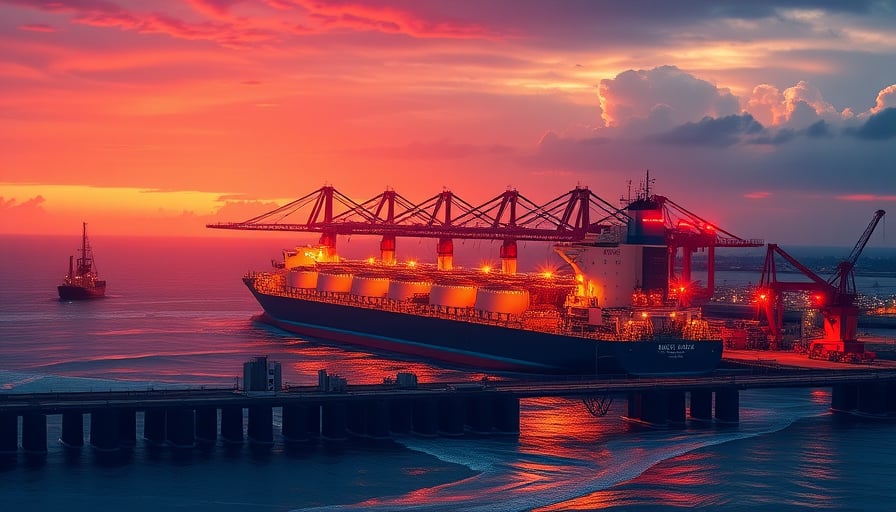
Separately, Snam completed a transaction that brought it to a controlling stake in the Offshore LNG Toscana project. By acquiring a substantial share of the existing partnership, the company now holds about ninety‑seven percent of the venture, strengthening its position in the offshore liquefied natural gas market.
European equity markets were generally flat on 16 December, with Italian and UK indices trading near parity as investors awaited U.S. employment data. The broader market environment did not appear to exert a sharp impact on Snam’s shares, which continued to trade within a range that reflects the recent analyst upgrade and the stable credit outlook.
Implications for Power System Engineering and Market Dynamics
1. Grid Stability and the Role of Natural‑Gas Infrastructure
The expansion of natural‑gas distribution networks, exemplified by Snam’s strategic move in the Offshore LNG Toscana project, directly influences grid stability in several ways:
Flexible Generation Support Natural‑gas plants provide fast‑ramping capacity that can counterbalance the intermittency of wind and solar resources. The increased LNG throughput will enhance the reliability of gas‑based peaking units, allowing them to respond more rapidly to sudden changes in load or renewable generation deficits.
Transmission Interface Enhancement A larger LNG supply base improves the predictability of gas flows to high‑voltage transmission corridors. This reduces the risk of congestion and facilitates the integration of cross‑border interconnectors, thereby strengthening the European transmission system’s overall resilience.
System Frequency Regulation Gas turbines can offer secondary frequency control services. The additional LNG capacity translates into more flexible ancillary services, which are increasingly critical as the share of inverter‑based resources climbs.
2. Renewable Energy Integration Challenges
While natural‑gas infrastructure supports grid stability, the broader energy transition imposes additional engineering challenges:
Power Flow Control Inverter‑based solar and wind assets lack inherent voltage regulation. The presence of robust gas networks allows for the deployment of gas‑based voltage support, ensuring that voltage profiles remain within statutory limits despite high renewable penetration.
Grid Congestion and Losses The increased load from distributed generation can create local congestions. Upgrading gas transmission lines and deploying HVDC links can mitigate these issues, but require significant capital investment.
Dynamic Load Shaping The ability of gas plants to shift load in response to real‑time market signals is essential for balancing supply and demand in a high‑renewable environment. Snam’s enhanced LNG capabilities enable more aggressive demand‑side response programs, fostering a more flexible grid.
3. Infrastructure Investment Requirements
The successful integration of renewable assets and the maintenance of grid stability hinge on substantial capital outlays:
Upgrading Transmission Corridors High‑capacity, low‑loss lines (e.g., 500 kV) are needed to transport renewable resources from remote wind farms and solar parks to load centres. Projected investment is in the billions of euros over the next decade.
Gas Network Modernization Expansion of gas pipelines, installation of new compressors, and upgrading of metering infrastructure will support increased LNG imports. These upgrades also enhance the capacity for gas‑based ancillary services.
Distributed Energy Resources (DER) Integration Smart meters, energy storage, and advanced control systems must be deployed to enable efficient interaction between the grid and distributed generators.
4. Regulatory Frameworks and Rate Structures
The European Union’s Clean Energy Package and Italy’s national energy policy frameworks set the regulatory backdrop for these developments:
Feed‑in Tariffs and Capacity Markets Policies that guarantee payment for renewable generation incentivize investment but also increase the cost base for utilities. Gas utilities, like Snam, must balance the need to recover infrastructure costs with the regulatory requirement to provide affordable rates.
Cross‑border Interconnection Mandates The EU’s target of at least 20 GW of cross‑border interconnectors by 2025 necessitates coordinated planning among member states. Snam’s LNG facility will play a role in facilitating cross‑border gas flows, potentially influencing interconnection tariffs and market participation.
Rate‑of‑Return Regulation In Italy, utilities operate under a regulated rate‑of‑return model. The increased earnings forecast by Goldman Sachs may influence the expected return on equity, thereby affecting future rate settings and consumer costs.
5. Economic Impacts of Utility Modernization
Modernization projects translate into direct and indirect economic effects:
Short‑Term Employment Construction of transmission lines and gas pipelines creates jobs in engineering, construction, and logistics. These activities stimulate local economies.
Long‑Term Consumer Costs While infrastructure investment is necessary for reliability and renewable integration, it can lead to higher consumer rates if cost recovery is achieved through rate adjustments. Regulatory oversight aims to balance affordability with financial viability.
Market Competitiveness A modernized grid supports a competitive wholesale market by reducing curtailments and enhancing system flexibility. This can lower wholesale prices and, ultimately, consumer bills.
6. Strategic Outlook for Snam SpA
Snam’s recent actions position the company to play a pivotal role in the evolving power system:
Control of LNG Toscana With 97 % ownership, Snam can dictate LNG import schedules, aligning gas supply with renewable generation patterns and demand forecasts.
Revenue Diversification The subsidiary contributions highlighted by Goldman Sachs suggest a move toward diversified revenue streams, potentially including value‑added services such as grid support or ancillary services contracts.
Credit Stability Moody’s reaffirmation of a Baa2 rating with a stable outlook indicates a robust financial position, which can ease access to capital markets for future infrastructure investments.
In conclusion, Snam SpA’s strategic investments and regulatory positioning reinforce its capacity to support grid stability, facilitate renewable energy integration, and manage the economic impacts of modernization. Continued alignment with EU energy objectives and domestic policy frameworks will be essential for sustaining long‑term growth while maintaining affordable consumer rates.