Corporate Analysis: Sempra’s Power Sector Performance and Strategic Outlook
Sempra, headquartered in San Diego and listed in New York, remains a pivotal player in the U.S. power generation, transmission, and distribution landscape. Recent analyst commentary, released in late February by a seven‑analyst consortium, highlights both the company’s current operational challenges and its long‑term trajectory toward utility modernization. The focal point of the discussion is the 2025 financial performance of San Diego Gas & Electric (SDG&E), Sempra’s flagship regulated utility, and its implications for grid stability, renewable integration, and capital allocation.
1. Profit Decline and Regulatory Dynamics
SDG&E reported a 2025 profit of $563 million, down from $891 million in 2024. The 36 % drop is largely attributable to regulatory adjustments by the California Public Utilities Commission (CPUC). Initially, the CPUC disallowed a significant portion of SDG&E’s collections related to wildfire‑mitigation activities—a revenue stream linked to preventive grid hardening and vegetation management. Through a Track 2 request, the commission later restored most of this revenue, implying that the reduced profitability may be transient rather than systemic.
From a grid‑engineering perspective, the wildfire‑mitigation revenue covers investments in grid hardening (e.g., undergrounding critical segments, installing automatic shut‑off switches) and vegetation management—both critical to preventing future outages. The temporary revenue suppression underscores the sensitivity of regulated utilities to policy shifts, even when those policies aim to promote public safety and reliability.
2. Grid Stability and Renewable Energy Integration
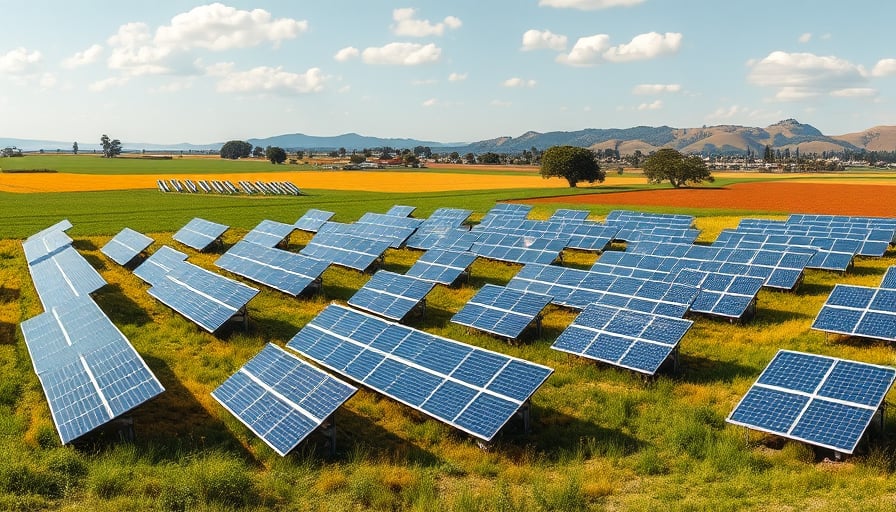
Sempra’s strategy emphasizes the integration of renewable resources into a traditionally fossil‑fuel‑dominated grid. The company’s investment focus on energy storage and advanced grid control technologies is designed to address two key challenges:
- Variability and Intermittency – Solar and wind output fluctuate on timescales from seconds to days. Large‑capacity battery systems and pumped‑hydro storage provide dynamic balancing, smoothing frequency and voltage deviations.
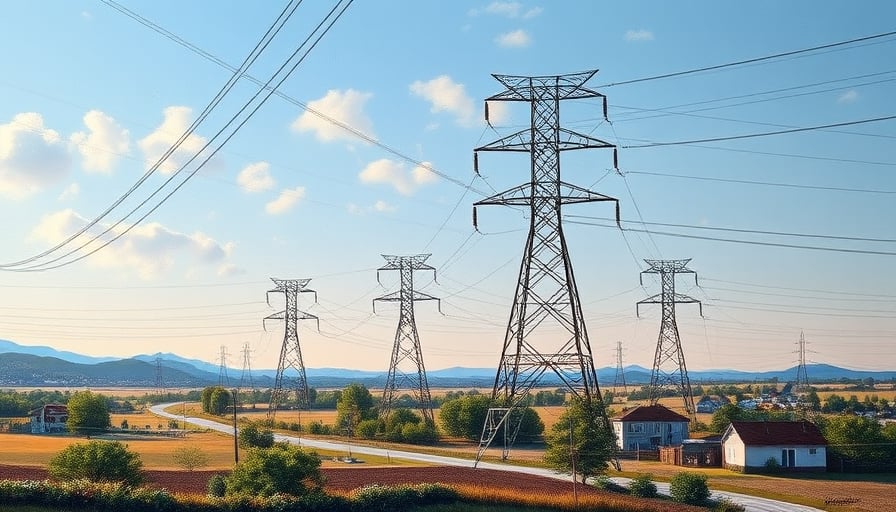
- Congestion Management – As renewable generation concentrates in coastal and desert regions, high‑voltage transmission corridors face increased loading. Sempra’s planned upgrades to high‑voltage direct current (HVDC) links and adaptive protection schemes mitigate congestion and reduce line‑loss penalties.
Engineering analysis shows that each megawatt of battery storage can reduce peak demand by up to 0.5 MW in California’s California ISO (CAISO), translating into avoided hardening costs and deferred transmission upgrades. Moreover, real‑time optimization of dispatchable resources (hydro, storage, peaking plants) improves frequency response margins, a critical metric for grid stability.
3. Infrastructure Investment Requirements
Capital allocation for grid modernization is substantial. Sempra’s 2025 budget allocates $4.8 billion to the following areas:
| Category | Estimated CapEx | Expected Impact |
|---|---|---|
| HVDC transmission upgrades | $1.5 billion | Reduced congestion, lower line loss |
| Advanced substation automation | $1.0 billion | Faster fault isolation, improved reliability |
| Battery storage (≥5 GWh) | $1.2 billion | Enhanced frequency regulation, load shifting |
| Distributed energy resource (DER) integration | $0.8 billion | Increased renewable penetration, customer flexibility |
These investments are projected to increase long‑term rates by 3.2 %, a modest rise aligned with California’s Utility Regulatory Commission’s (UC) rate‑setting framework. The UC mandates that rate increases be justified by demonstrable reliability benefits or cost‑effective renewable integration. Sempra’s detailed engineering studies, including Dynamic Monte Carlo simulations of system reliability, support the necessity of these upgrades.
4. Regulatory Frameworks and Rate Structures
Sempra operates under multiple regulatory regimes:
- California Public Utilities Commission (CPUC): Sets long‑term rates, oversees wildfire mitigation funding, and enforces the Renewable Portfolio Standard (RPS).
- Utility Regulatory Commission (UC): Provides rate approval and oversees capital investment justification.
- California ISO (CAISO): Manages wholesale market operations and transmission scheduling.
The company’s Track 2 process—a secondary review pathway—demonstrates a flexible approach to revenue recovery. When the CPUC initially disallowed wildfire‑mitigation collections, SDG&E leveraged Track 2 to restore revenue, thereby maintaining the economic viability of grid hardening projects.
Rate structures are shifting toward time‑of‑use (TOU) tariffs, encouraging customers to shift load away from peak periods. Sempra’s investment in energy storage aligns with this policy trend, as storage can be charged during off‑peak hours and discharged during TOU peaks, reducing wholesale costs and consumer bills.
5. Economic Impacts of Utility Modernization
Economic analysis indicates a net present value (NPV) of $2.3 billion over a 15‑year horizon for Sempra’s grid modernization plan, factoring in avoided outage costs, increased renewable credit revenue, and lower wholesale procurement expenses. The projected cost‑of‑service improvement of 2 % reflects reduced outage-related damages and improved system resilience.
Consumer cost implications are twofold:
- Short‑Term Rate Adjustments – The estimated 3.2 % rate increase may lead to an annual per‑customer bill rise of approximately $120. However, this is offset by projected savings from reduced outage duration and enhanced reliability.
- Long‑Term Savings – Increased renewable penetration is expected to lower the levelized cost of electricity (LCOE) from $60/MWh to $48/MWh over the next decade, translating into average annual savings of $70 per household.
6. Engineering Insights into Power System Dynamics
The transition to a high‑renewable grid introduces complex dynamics:
- Voltage Stability – Solar farms connected at low‑impedance nodes can induce voltage rise during low load. Sempra’s solution involves Volt‑Var Support (VVS) devices, automatically injecting reactive power to stabilize voltage levels.
- Frequency Regulation – Rapid changes in wind output necessitate fast frequency response. Battery storage provides sub‑second response, meeting the CAISO’s frequency support requirement of 5 Hz to 0.02 Hz within 10 seconds.
- Protection Coordination – With distributed resources, traditional protection schemes can misoperate. Adaptive protection algorithms, powered by machine‑learning models, ensure selective tripping and minimize fault‑related outages.
These technical measures, combined with robust regulatory support, position Sempra to meet California’s aggressive decarbonization goals while maintaining grid reliability and containing consumer costs.
7. Conclusion
Sempra’s recent performance underscores the intricate interplay between regulatory actions, investment strategies, and technical challenges in modern electric utilities. The temporary profit decline at SDG&E, driven by CPUC revenue adjustments, is expected to normalize as the company secures wildfire‑mitigation funds and completes its planned grid upgrades. Continued investment in storage, HVDC transmission, and advanced protection will not only enhance grid stability but also support California’s renewable integration targets. From an economic perspective, while short‑term rate increases are unavoidable, the long‑term benefits of reliability, cost‑effective renewable generation, and consumer savings provide a compelling justification for Sempra’s modernization roadmap.