Corporate Update on Sempra Energy’s 2026 Performance and Capital Outlook
Sempra Energy, a U.S. multi‑utility operator listed on the New York Stock Exchange, released its fourth‑quarter financial results on February 26, 2026. While headline earnings declined relative to the prior year, the company’s adjusted earnings per share (EPS) exceeded analyst consensus, signaling resilience in its operating core. Revenue experienced a modest year‑over‑year contraction, but the decline was contained within the range of forecasted variances.
Financial Highlights
- Adjusted EPS: The quarter’s adjusted earnings surpassed expectations, reaffirming the firm’s profitability in the context of an evolving utility landscape.
- Revenue: A slight dip was observed, yet the figure remained within the upper spectrum of analyst projections, reflecting stable demand for regulated services.
- Full‑Year Guidance: Sempra maintained its 2026 adjusted EPS forecast and extended its outlook through 2027 and 2030, projecting a modest upward revision for those periods.
- Capital Expenditure: A new five‑year capital plan now targets $65 billion, a significant increase from the prior plan. The investment focus will be on regulated utility projects in Texas and California, where grid modernization demands are most acute.
- Dividend: The board declared a quarterly dividend of $0.6575 per share, payable in mid‑April to shareholders of record as of late March.
Shares traded modestly higher in pre‑market sessions following the announcement, reflecting investor confidence in Sempra’s strategic direction.
Engineering Context: Power Generation, Transmission, and Distribution Dynamics
Grid Stability Amid Renewable Integration
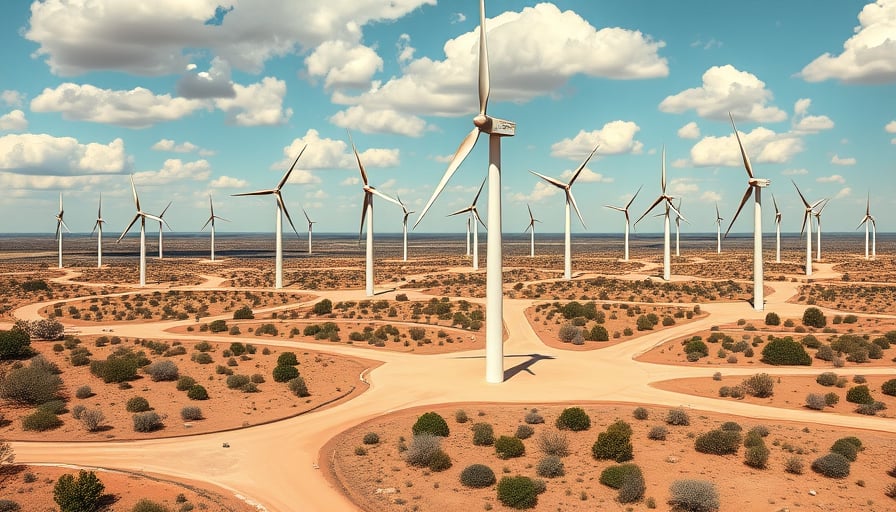
Sempra’s operating regions—particularly California’s highly penetrated solar portfolio and Texas’s wind-rich environment—present classic challenges to grid stability. The variability of intermittent resources increases the frequency of voltage and frequency excursions. To mitigate these, the company must deploy advanced phasor measurement units (PMUs), adaptive protection schemes, and real‑time load‑frequency control algorithms. These systems enable rapid detection and isolation of faults, preserving supply continuity while maintaining system inertia levels that are critical for frequency regulation.
Infrastructure Investment Requirements
The projected $65 billion capital budget underscores the need for extensive transmission upgrades, substational enhancements, and distributed energy resource (DER) integration. Key investment drivers include:
- High‑Voltage Direct Current (HVDC) Corridors: Facilitating inter‑regional power transfer, particularly between Texas’s wind hubs and California’s load centers, HVDC links reduce line losses and enhance controllability.
- Flexible AC Transmission Systems (FACTS): Devices such as static VAR compensators (SVCs) and voltage‑sourced converter (VSC) HVDCs support voltage regulation and dynamic reactive power management, crucial for high‑renewable nodes.
- Smart Grid Platforms: Cyber‑physical infrastructure that aggregates DERs, electric‑vehicle chargers, and demand response programs into a coherent control ecosystem.
These upgrades not only improve resiliency but also enable the integration of storage technologies—lithium‑ion, flow, and advanced compressed‑air systems—providing ancillary services like spinning reserve and black‑start capability.
Regulatory Frameworks and Rate Structures
California Energy Commission (CEC) and Texas Public Utility Commission (PUC)
Regulatory bodies in both states are progressively redefining tariff structures to incentivize renewable integration and grid resilience. In California, the CEC’s “Smart Grid” tariff introduces performance‑based incentives for utilities that meet reliability metrics while expanding renewable capacity. Texas’ PUC is adopting a “Rebidding” framework that allows utilities to adjust rate designs based on the evolving cost of transmission upgrades and renewable resource costs.
Economic Implications for Consumers
Rate adjustments stemming from the capital expansion will likely manifest in two ways:
- Capital Recovery Charges: Utilities will recover construction and upgrade costs over extended periods, potentially elevating the cost base for ratepayers.
- Energy Efficiency and Demand Response Incentives: The regulatory push for customer‑side participation may offset rate hikes by reducing overall consumption during peak periods.
Sempra’s commitment to a moderate earnings increase for 2027–2030 suggests a balanced approach—investing in grid stability while managing the cost pass‑through to consumers.
Utility Modernization and the Energy Transition
Sempra’s strategic capital deployment is aligned with the broader energy transition trajectory:
- Decarbonization Targets: Both Texas and California have aggressive climate goals, necessitating a rapid reduction of fossil fuel generation.
- Resilience Enhancements: Climate‑related extreme events require reinforced transmission corridors and flexible resource dispatch.
- Market Participation: Increased renewable penetration alters market dynamics; utilities must adapt to real‑time pricing and ancillary service markets.
From an engineering standpoint, the modernization plan incorporates adaptive protection, high‑speed communication networks (e.g., fiber optics with 1 ms latency), and edge computing to facilitate near‑real‑time decision‑making across the grid. These capabilities are essential for maintaining system stability as renewable penetration exceeds 50 % in key service territories.
Bottom Line
Sempra Energy’s fourth‑quarter results reflect a company in transition—managing current financial performance while strategically investing in infrastructure that will underpin grid stability, renewable integration, and long‑term economic viability. The planned $65 billion capital outlay, coupled with regulatory reforms and evolving rate structures, positions the company to navigate the complexities of the modern power system while delivering value to stakeholders.