Corporate News Analysis: SANDS CHINA LTD and the Resilient Gaming Sector
SANDS CHINA LTD’s modest share‑price increase during the latest Hong Kong trading session offers a useful lens through which to examine broader dynamics in the gaming and consumer‑retail landscape. While the movement was driven largely by a general uptick in Macau‑based gaming names, it reflects deeper, cross‑generational trends that are reshaping the way businesses engage consumers in the digital age.
Market Context and Immediate Drivers
- Sector Momentum: The company’s performance paralleled other gaming‑related stocks, which collectively moved higher on the day. This sectoral rally was mirrored in the Hang San I‑Index and Hang San Technology Index, both of which posted gains.
- Volume and Sentiment: With overall market turnover reaching roughly HK$236 billion, the session was buoyant across the board. Regulatory bodies emphasized the importance of maintaining market resilience, further buoying investor confidence.
- Absence of Company‑Specific Catalysts: No new corporate developments or earnings releases were reported for SANDS CHINA, indicating that the price rise is primarily a reflection of market sentiment rather than a reaction to internal news.
Linking Lifestyle Trends to Business Opportunities
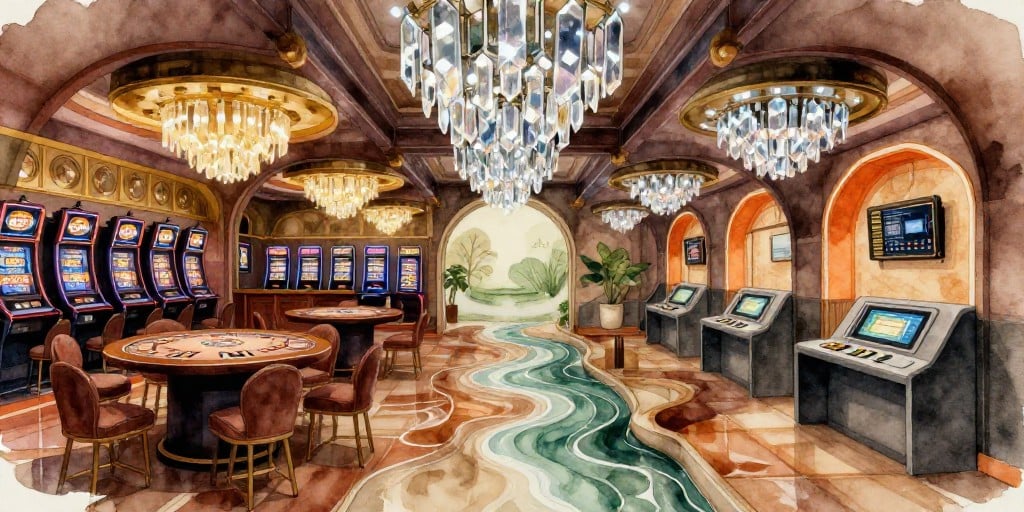
Digital‑Physical Retail Convergence The continued success of Macau‑based gaming operators underscores a broader shift toward hybrid business models. As consumers increasingly seek immersive experiences that blend physical environments with digital enhancements—think augmented‑reality (AR) casino floors or mobile‑integrated loyalty programs—companies that can seamlessly integrate these elements stand to gain a competitive edge.
Generational Spending Patterns Millennials and Generation Z now represent a substantial share of discretionary spending, favoring experiences over possessions. This demographic shift fuels demand for high‑quality, curated entertainment experiences. Gaming operators that can tailor offerings—such as themed gaming nights, digital rewards, or social‑media‑integrated promotions—will capture the attention of younger patrons while retaining older, loyal customers.
Cultural Movements and Consumer Identity The rise of “experience economy” culture has turned leisure activities into markers of personal identity. In regions like Macau, where tourism and hospitality intersect, operators that position themselves as cultural hubs—hosting art installations, local cuisine collaborations, or community events—can deepen engagement and drive repeat visits.
Forward‑Looking Analysis
Investment Landscape The sustained upward momentum in gaming‑related stocks suggests that investors remain optimistic about the sector’s growth trajectory. This optimism may translate into increased capital inflows, enabling companies to invest in technology upgrades, store redesigns, and global expansion initiatives.
Retail Strategy Evolution Retailers outside of gaming but within the consumer sector can glean lessons from the hybrid model. Physical stores that incorporate interactive digital elements—such as virtual try‑on mirrors, mobile‑based product recommendations, and real‑time inventory updates—are likely to see higher foot traffic and conversion rates.
Policy and Regulatory Implications Maintaining market resilience will be critical as governments balance growth with consumer protection. Anticipated regulatory updates—such as stricter anti‑gambling advertising guidelines or digital‑payment oversight—could shape strategic priorities for operators, pushing them to innovate responsibly.
Demographic Targeting Companies that adopt data‑driven personalization strategies can better anticipate the preferences of distinct age cohorts. For instance, leveraging machine‑learning algorithms to recommend casino games or entertainment packages based on past behavior can enhance customer satisfaction and loyalty.
Conclusion
SANDS CHINA LTD’s share‑price movement, though modest, encapsulates a broader narrative of resilience and opportunity within the gaming industry. By aligning business models with evolving lifestyle trends, demographic spending patterns, and cultural movements, companies can transform the intersection of digital transformation and physical retail into a fertile ground for sustained growth. Investors and strategists alike should watch for how these dynamics play out in subsequent trading sessions and across complementary consumer sectors.