Corporate Social Responsibility Meets Digital‑Physical Synergy in Macau
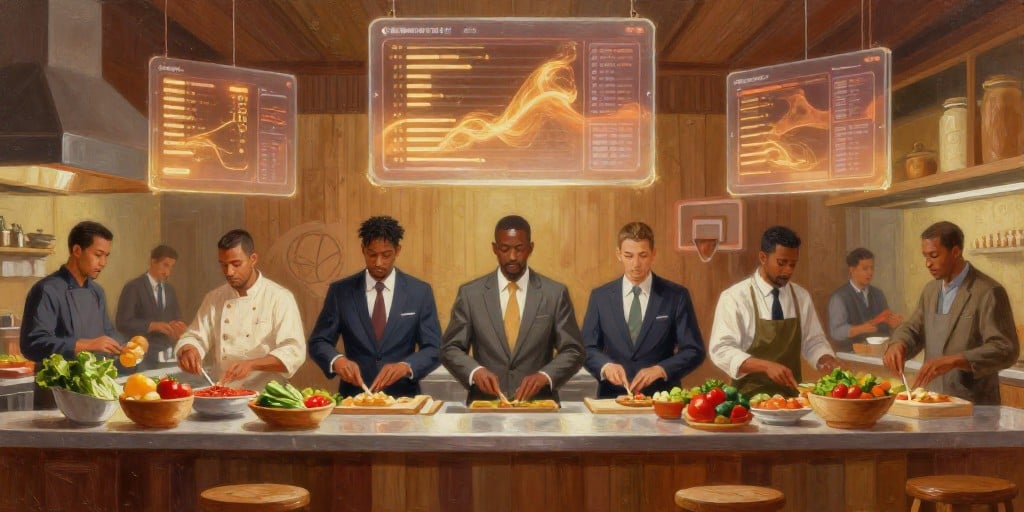
Sands China Ltd. has announced a strategic partnership with NBA Cares to support community outreach in Macau during the NBA China Games. The collaboration centred on a Health and Wellness Day held at the Fuhong Society of Macau’s newly launched Happy Kitchen social enterprise. Executives from Sands China, representatives from Las Vegas Sands, and volunteers from the Fuhong Society assembled boxed lunches that were distributed to local residents, including the elderly and other community members. The initiative, part of a broader five‑day Community Impact Week, aimed to promote youth development, healthy living, and social inclusion.
Aligning Corporate Purpose with Lifestyle and Demographic Trends
The partnership illustrates how a global entertainment brand can leverage localized, purpose‑driven initiatives to tap emerging consumer expectations. A growing segment of consumers—particularly Millennials and Gen Z—demonstrates a heightened preference for brands that demonstrate authentic social impact. By aligning its CSR with a high‑profile sporting event, Sands China capitalises on the amplified media coverage of the NBA Games to reinforce its image as an inclusive and forward‑thinking organisation.
Moreover, Macau’s demographic profile is shifting toward an older population, with a rising demand for community‑based health and wellness services. The boxed‑lunch distribution, which targeted seniors and residents in need, directly addresses this trend by providing convenient, nutritious food options. By positioning Happy Kitchen as a community hub that delivers meals and vocational training, Sands China creates a tangible service that meets the evolving needs of a diverse consumer base.
Digital Transformation Meets Physical Retail
Happy Kitchen operates as a hybrid model that blends digital order‑taking and logistics with physical storefronts that provide training and employment. While the enterprise currently delivers roughly two hundred meals daily, its structure is primed for scaling through digital platforms that track consumer preferences, streamline inventory, and optimise delivery routes. The partnership with NBA Cares offers an opportunity to introduce a digital loyalty program that rewards local residents for engaging with community events and for purchasing Happy Kitchen meals. This integration would foster a seamless consumer experience that bridges the physical and digital realms—an increasingly critical factor for consumer retention.
Generational Spending Patterns and the Evolution of Consumer Experience
The event’s focus on health and wellness aligns with a broader shift in consumer spending toward experiences that promise wellbeing, rather than mere consumption of goods. Gen Z, for example, is willing to pay a premium for products that are sustainably sourced and socially responsible. By delivering healthy boxed lunches and vocational training, Happy Kitchen appeals to this value‑driven cohort while simultaneously creating a pipeline of trained talent that can support future expansion.
Furthermore, the inclusion of wellness workshops at the Health and Wellness Day underscores a trend toward holistic consumer experiences that combine nutritional education with community engagement. Retailers that integrate educational components into their offerings can differentiate themselves in an increasingly crowded market, creating a “purpose‑first” value proposition that resonates across age groups.
Forward‑Looking Market Opportunities
Community‑Centred Food Delivery The partnership demonstrates a model for a socially responsible food delivery service that can be replicated in other urban centres with similar demographic profiles. By leveraging the digital ordering infrastructure of the NBA partnership, Sands China could scale Happy Kitchen to serve a broader region, targeting underserved populations while maintaining profitability through economies of scale.
Inclusive Workforce Development Happy Kitchen’s vocational training program positions Sands China as a pioneer in inclusive employment. Expanding this model to other sectors—such as hospitality and retail—could unlock access to a broader talent pool and reduce labour shortages, while simultaneously reinforcing the company’s ESG credentials.
Experiential Partnerships with International Brands The collaboration with NBA Cares illustrates the potential of cross‑industry partnerships to amplify reach and impact. Future collaborations could involve other global sports or entertainment brands, creating synergies that benefit community engagement, brand visibility, and revenue streams.
Data‑Driven Health Initiatives As the program matures, integrating health data collected during wellness workshops could inform tailored nutritional offerings and support preventive healthcare initiatives. This data can be monetised through partnerships with health insurers or public health agencies, creating a new revenue channel while advancing public health goals.
Conclusion
Sands China’s partnership with NBA Cares and the launch of Happy Kitchen exemplify how corporate entities can translate societal shifts—such as the rise of wellness‑oriented consumption, demographic ageing, and the demand for inclusive employment—into tangible business opportunities. By marrying digital transformation with physical retail, the initiative not only delivers immediate community benefits but also lays a strategic foundation for sustainable, purpose‑driven growth in consumer sectors.