Porsche Launches Mission S Super‑Sports Model: A Strategic Pivot Toward Higher‑Priced, Low‑Volume Luxury
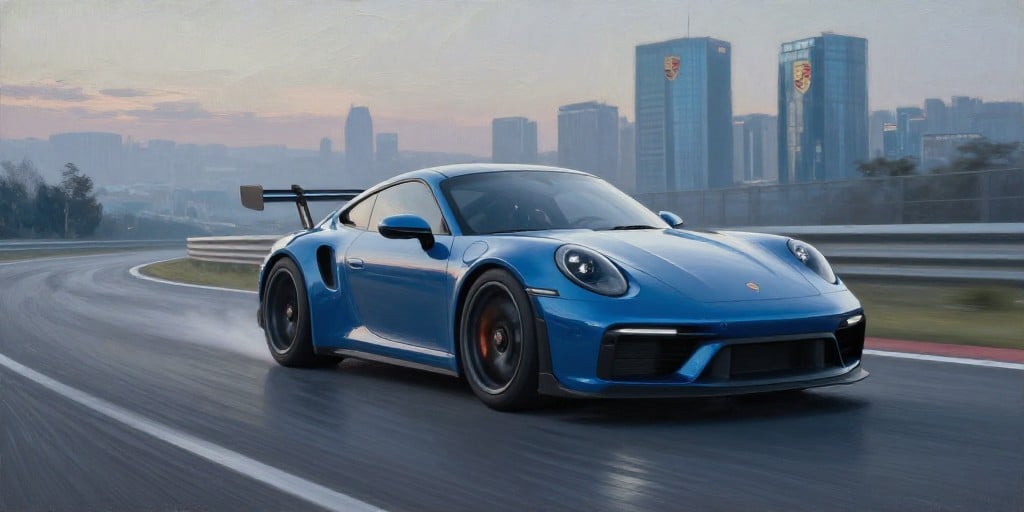
In a high‑profile unveiling at a historic pier overlooking Manhattan, Dr. Ing. h.c. F. Porsche Aktiengesellschaft introduced its forthcoming Mission S, a mid‑engine super‑sports vehicle that Porsche positions above its long‑standing 911 flagship. The event underscored a deliberate shift in the German automaker’s product hierarchy, moving toward a premium, limited‑run offering that promises both exclusivity and technological sophistication.
Strategic Context
Porsche’s decision to spotlight the Mission S at an international venue reflects broader market dynamics in the high‑performance luxury segment. Competitors such as Aston Martin, Lamborghini, and Ferrari are expanding their lineups of limited‑edition, high‑margin models, creating a new tier of “ultra‑luxury” vehicles. By launching the Mission S as a higher‑priced, lower‑volume model, Porsche seeks to:
- Capture a larger share of premium gross profit – high‑margin models generate greater earnings per vehicle, compensating for lower production volumes.
- Strengthen brand equity – association with exclusivity reinforces Porsche’s image as a purveyor of high‑performance engineering and timeless design.
- Align with macro‑economic trends – as global wealth concentration shifts toward high net‑worth individuals, demand for ultra‑luxury automobiles is projected to rise.
The strategic move also dovetails with Porsche’s broader “Design 2030” vision, which calls for a consistent, authentic exterior language across its lineup while integrating contemporary design elements such as floating volumes and a streamlined digital interface.
Design and Engineering Highlights
Chief Designer Tobias Sühlmann described the Mission S as a mid‑engine platform that marries powerful engineering with a clear, heritage‑inspired design language. Key attributes include:
- Mid‑engine layout – a configuration that offers optimal weight distribution, improved handling, and a distinct driving experience that differentiates the Mission S from front‑engine rivals.
- Torpedo‑shaped fenders and iconic roofline – classic Porsche elements that provide an immediately recognizable silhouette.
- Floating volumes – subtle roofline curves that create visual depth without compromising aerodynamic efficiency.
- Reduced digital interface – a driver‑oriented cockpit that emphasizes analog controls and a selective digital display, promoting an immersive driving experience.
- Smartphone‑based information system – a flexible, modular infotainment solution that can adapt to evolving connectivity standards.
Internally, the focus remains on a purist layout that balances modern connectivity with tactile, driver‑centric controls. This approach aligns with Porsche’s tradition of prioritizing the driving experience while accommodating contemporary expectations for connectivity.
Financial Implications
Porsche’s share performance within the MDAX—where its stock holds a substantial market capitalization—reflects investors’ confidence in the company’s strategic direction. Analysts note that Porsche’s price‑earnings (P/E) ratio remains comparatively low relative to peers in the premium segment, suggesting potential upside as the company realizes higher margins from the Mission S and related premium models.
Key financial points include:
- Premium pricing strategy – Higher average selling prices translate to increased revenue per vehicle, bolstering profitability.
- Volume optimization – By targeting a narrower production range, Porsche can better control costs and maintain exclusivity, potentially raising the brand’s perceived value.
- Capital allocation – Investment in advanced powertrains and lightweight materials may require upfront capital but is expected to pay off through differentiated performance and sustainability credentials.
Broader Industry Connections
The Mission S launch resonates beyond Porsche’s own portfolio. It signals a broader industry trend where performance automakers are:
- Diversifying their product mix to include more premium, limited‑run vehicles that cater to affluent consumers seeking exclusivity.
- Emphasizing sustainability by integrating hybrid or electric powertrains into high‑performance models, thereby aligning with regulatory pressures and changing consumer preferences.
- Rebalancing their supply chains to accommodate higher precision manufacturing required for limited‑run, high‑quality vehicles.
Moreover, the event’s New York setting underscores the significance of the U.S. market, where luxury and performance car sales remain robust. The choice of venue—a historic pier overlooking Manhattan—symbolically ties Porsche’s heritage to the contemporary urban luxury narrative.
Outlook
While the Mission S has yet to enter production, its announcement sets the stage for Porsche’s next evolution in the super‑sports arena. By prioritizing a higher‑priced, low‑volume strategy, Porsche positions itself to capitalize on the growing demand for exclusive, high‑performance luxury vehicles. Market observers anticipate that the Mission S will reinforce Porsche’s competitive positioning, enhance brand equity, and deliver a tangible impact on the company’s profitability and share performance.
In a rapidly evolving automotive landscape where premium brands must balance performance, exclusivity, and sustainability, Porsche’s Mission S represents a bold step toward redefining what a mid‑engine super‑sports vehicle can be.