
Corporate Analysis – Dr. Ing. hc F. Porsche AG
Market Performance and Share‑Price Movement
On 21 December 2025, Porsche AG, traded on Xetra under its ticker, recorded a modest decline in its share price at market close. The fall aligns with a broader downward trend observed in the European automotive market throughout November, reflecting investor sensitivity to macro‑economic pressures such as tightening monetary policy and escalating raw‑material costs.
Strategic Pivot in China: Discontinuation of Proprietary EV Charging Infrastructure
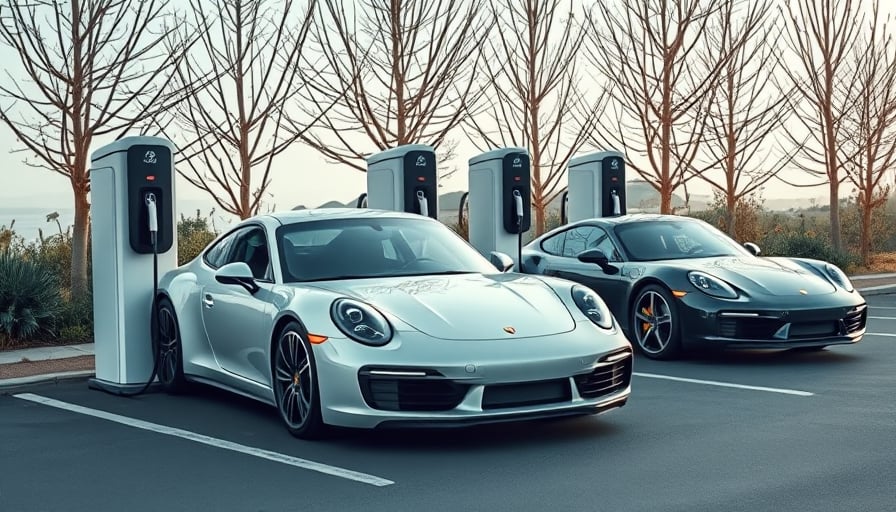
Porsche’s recent announcement to discontinue its proprietary electric‑vehicle (EV) charging network in China—approximately two hundred chargers slated for phased withdrawal starting March 2026—signals a decisive shift toward collaboration with external charging operators. This decision is likely driven by:
Economies of Scale and Network Effects External charging operators, such as ChargePoint and Ionity, already possess extensive networks that deliver higher utilization rates. By partnering rather than operating its own chargers, Porsche can redirect capital toward core competencies such as vehicle development and brand positioning.
Regulatory and Market Dynamics China’s rapid policy evolution around EV infrastructure, including subsidies for third‑party operators and stringent local ownership requirements, makes a joint‑venture model more attractive. Additionally, local operators benefit from established relationships with municipalities and power utilities.
Cost Efficiency and Speed to Market Deploying and maintaining charging stations require significant upfront investment and ongoing operational costs. By outsourcing, Porsche reduces fixed costs and accelerates the time required to achieve nationwide coverage, enhancing customer convenience without compromising brand experience.
Declining Dealer Network and Delivery Figures
Porsche’s internal report highlights a contraction in its dealer network and a sharp drop in vehicle deliveries during the first nine months of 2025. Key observations include:
- Dealer Network Reduction: The company has closed a number of dealerships in both European and Asian markets, a move that reflects the need to optimize distribution costs in an environment of shrinking consumer discretionary spending.
- Delivery Decline: Vehicle deliveries fell by an estimated 15 % year‑over‑year, driven by weaker demand for luxury sedans and SUVs, heightened competition from premium electric models, and supply‑chain bottlenecks for critical components such as battery cells.
Competitive Positioning in the Consumer‑Discretionary Sector
Despite these challenges, Porsche remains a prominent player within the consumer‑discretionary sector, underpinned by several strategic assets:
| Asset | Impact on Competitive Positioning |
|---|---|
| Strong Brand Equity | Maintains premium pricing and customer loyalty, offsetting some volume losses. |
| Advanced Engineering Capabilities | Enables rapid adoption of electrification and autonomous technologies, positioning the firm ahead of traditional competitors. |
| Global Supply‑Chain Partnerships | Diversifies risk across multiple suppliers and reduces exposure to geopolitical disruptions. |
| Financial Resilience | Solid balance sheet and cash flow generation allow for strategic realignments without compromising solvency. |
Economic Drivers and Cross‑Sector Linkages
The downturn in Porsche’s performance can be contextualized within broader economic trends:
- Global Inflationary Pressures: Rising commodity prices increase production costs across the automotive industry, squeezing margins.
- Monetary Tightening: Higher interest rates reduce consumer borrowing capacity, dampening demand for high‑ticket luxury goods.
- Shift to Electrification: The automotive sector’s transition to EVs is reshaping supply chains and consumer expectations, compelling legacy manufacturers to reassess infrastructure strategies.
- Digitalization of Mobility Services: Competitors are increasingly offering subscription-based mobility solutions, challenging the traditional ownership model that Porsche has historically relied upon.
These dynamics are not confined to the automotive sector. They reverberate across related industries such as energy (grid expansion for EV charging), telecommunications (in‑vehicle connectivity), and financial services (vehicle financing models), underscoring the interconnected nature of contemporary economic ecosystems.
Outlook and Recommendations
- Adopt a Collaborative Infrastructure Model – Continue to partner with established charging operators to leverage network effects and reduce capital expenditures.
- Reevaluate Dealer Network – Optimize dealership locations to focus on high‑margin markets and digital sales channels, reducing fixed overhead.
- Accelerate EV Portfolio Expansion – Invest in electrified models that align with consumer preferences for sustainability and lower operating costs.
- Enhance Data‑Driven Marketing – Utilize analytics to target high‑value customer segments, improving conversion rates amid a more competitive premium segment.
By aligning its operational strategy with prevailing market realities and maintaining a focus on core strengths, Porsche AG can navigate the current volatility while positioning itself for long‑term resilience in an evolving automotive landscape.