
Porsche AG Faces a Volatile Transition Amid Electric Shift and Market Realignments
Porsche AG delivered a first‑quarter performance in 2026 that underscored the complexities of its transition from internal‑combustion vehicles (ICVs) to a predominantly electric lineup. Sales volumes and operating profit declined relative to the same period a year earlier, reflecting heightened restructuring costs and a muted demand environment in key markets, most notably China.
Restructuring and Production Adjustments
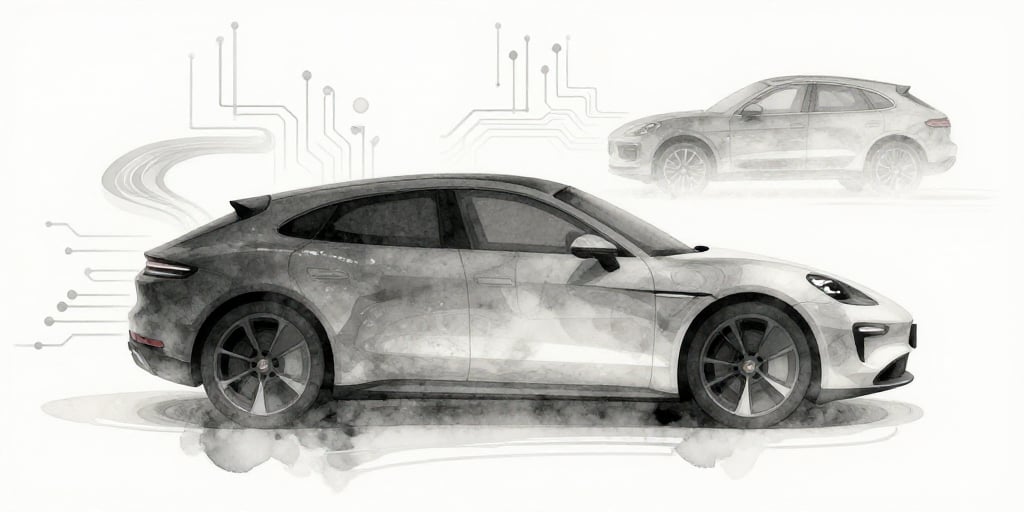
Porsche has announced that the production of its gasoline‑powered Macan SUV will cease across its European facilities in the summer of 2026. Existing inventory is projected to sustain sales for the following twelve months. In parallel, the electric variant of the Macan has shown a measurable uptick in sales, yet the company plans to introduce a new model on a gasoline platform only by 2028. This strategic choice leaves a temporary gap in the product line that could affect brand perception and dealer revenue streams.
The cessation of Macan production aligns with the company’s broader objective of reducing its carbon footprint and complying with tightening emissions regulations in the European Union. However, the transition imposes significant capital expenditures related to plant retooling, workforce reallocation, and supply‑chain realignment, all of which are visible in the reported first‑quarter operating losses.
Focus on High‑Margin Luxury Segments
In response to the financial pressure, Porsche is prioritising its high‑margin luxury models. The upcoming lightweight 911 GT3 S/C, priced above €250,000, exemplifies this strategy. The premium pricing structure is intended to offset the costs associated with electrification, providing a buffer against the volatility in lower‑priced segments.
Performance milestones continue to reinforce Porsche’s brand equity. The Taycan Turbo GT, Porsche’s flagship electric performance sedan, recently set a lap record at the Nürburgring, underscoring the brand’s commitment to technological excellence. Such achievements are used to counteract the growing threat posed by technology firms that are increasingly entering the high‑performance automotive space with advanced battery and software capabilities.
Strategic Divestment from Bugatti and Joint Ventures
Porsche has also executed a complete divestment from its stake in Bugatti and related joint ventures. The sale, completed to a consortium led by HOF Capital, marks the end of nearly thirty years of partnership. The transaction is projected to conclude before the end of 2026, contingent upon regulatory approval. By shedding the high‑cost, low‑volume Bugatti operation, Porsche aims to streamline its focus on core brands and free capital for further investment in electrification, autonomous driving, and digital services.
Investor Sentiment and Market Outlook
Investor reactions to the company’s disclosures have been measured but cautious. Analysts across leading financial institutions—including JPMorgan, Barclays, Jefferies, and Bernstein Research—have issued mixed projections. Price targets for Porsche’s shares range from €40 to €50, reflecting divergent views on the timing and success of the company’s electrification strategy.
The share price has fallen more than 13% year‑to‑date, hovering near the 100‑day moving average and continuing to experience downward pressure. The decline reflects a combination of restructuring costs, uncertainty around the new product mix, and the broader competitive landscape that now includes non‑automotive technology giants.
Conclusion
Porsche AG’s current trajectory illustrates the broader industry challenge of balancing legacy production with the imperatives of electrification. While the company’s premium luxury segment remains a financial anchor, the interim product gap and high restructuring costs pose short‑term risks. Strategic divestments and a sharpened focus on high‑margin vehicles signal an effort to mitigate these risks, yet market participants will likely remain vigilant as Porsche navigates the dual pressures of regulatory compliance and evolving consumer preferences.