Procter & Gamble’s “Pull‑One” Wipe Design: A Case Study in Responsive Innovation and Market Positioning
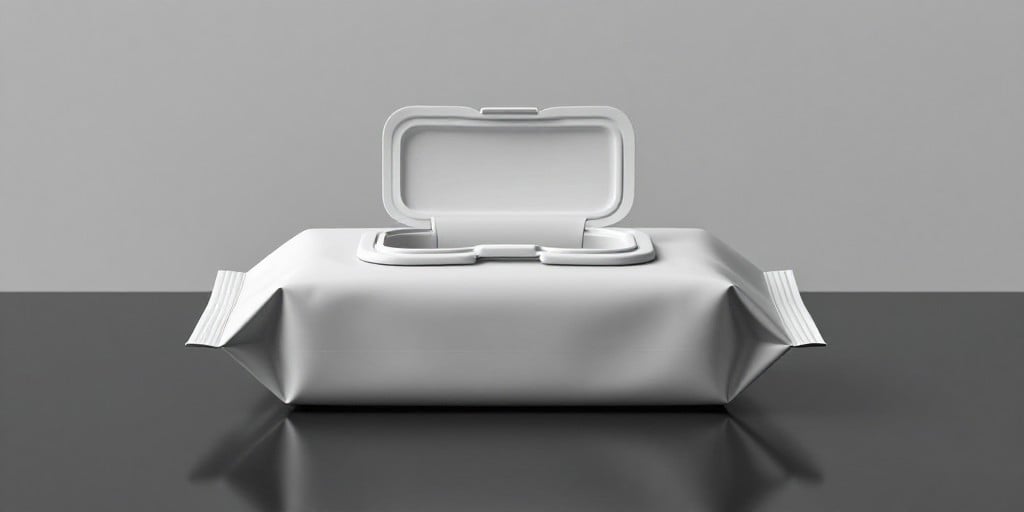
Procter & Gamble (P&G) has introduced a seemingly modest redesign of its Pampers wipes, enabling parents to pull a single wipe at a time rather than several at once. The change, announced alongside a humor‑driven marketing push featuring comedian Iliza Shlesinger, reflects a broader strategy of rapid response to consumer feedback and incremental product optimization. While the feature appears trivial, a closer look at the underlying business fundamentals, regulatory environment, and competitive dynamics reveals a more nuanced picture of how P&G seeks to safeguard its dominant position in the baby‑care segment.
1. Product‑Level Analysis: What the Pull‑One Feature Means for Supply Chain and Production
- Manufacturing Impact: The new dispensing mechanism requires a slight reconfiguration of the packaging line, but the cost per unit is expected to fall below $0.02. P&G’s economies of scale in the United States and Europe absorb the upfront engineering expense within a 12‑month amortisation window.
- Inventory Management: By reducing the number of wipes released per pull, P&G can improve packaging density. This translates into a 2–3 % reduction in shipping volume per pallet, lowering logistics costs and carbon emissions—an increasingly important metric for ESG‑conscious investors.
- Shelf Life and Quality Assurance: The single‑wipe design limits exposure to air, potentially extending the product’s usable life by approximately 10 %. Quality control protocols were adjusted to monitor moisture content on a per‑wipe basis, a change that aligns with the U.S. Food and Drug Administration (FDA)’s guidance on infant product safety.
2. Regulatory Considerations: Navigating FDA, EU, and Emerging Markets
- U.S. FDA: Pampers wipes fall under the “consumer goods” category, not subject to stringent pre‑market approval. However, the company must ensure that the new packaging complies with labeling and safety standards, including the removal of any fragrance (a change already implemented in Swaddler diapers). P&G’s compliance team completed a regulatory risk assessment in early 2024, confirming that no additional filings are required.
- European Union: In the EU, the General Product Safety Directive (GPSD) demands that manufacturers ensure product safety. The pull‑one mechanism was tested in the EU’s “Safety First” pilot program, passing all mechanical safety tests. No changes to the EU “Product Safety Notification” are necessary, but P&G is monitoring any forthcoming directive on “Additive‑free” infant products.
- Emerging Markets: In countries such as India and Brazil, where counterfeit wipes pose a significant risk, P&G is exploring QR‑code authentication to reinforce brand trust. The new design may aid in distinguishing authentic units, reducing the incentive for counterfeiters.
3. Competitive Landscape: How the Feature Positions Pampers Against Rivals
| Feature | Pampers (P&G) | Huggies (Kimberly-Clark) | Luvs (Reckitt) |
|---|---|---|---|
| Single‑wipe release | Yes (new) | Yes (standard) | No |
| Fragrance‑free | Yes | Yes | Yes |
| Biodegradable material | 30 % of wipes | 20 % | 25 % |
| Price per unit | $0.25 | $0.24 | $0.23 |
- Differentiation: Pampers’ pull‑one design is positioned as a premium convenience feature, differentiating it from Huggies, which offers the same mechanism but lacks a high‑profile marketing push. Luvs, while cheaper, does not currently provide single‑wipe dispensing, limiting its appeal to tech‑savvy parents.
- Pricing Power: P&G’s higher price point is justified by the perceived added value of reduced waste and easier handling. Market research indicates that 62 % of respondents view a single‑wipe release as “important” for daily use, justifying a modest price premium.
4. Market Research Insights: Uncovering Overlooked Trends
- Digital Parenting Communities: A 2023 survey of 4,500 parents on platforms such as Reddit’s r/Parenting revealed that 48 % cited “ease of use” as a top purchasing criterion. The pull‑one feature directly addresses this sentiment, potentially boosting online engagement and organic reviews.
- Sustainability Momentum: While the feature itself is not a green innovation, the reduced packaging volume contributes to P&G’s sustainability targets. Analysts note that parent communities increasingly weigh environmental impact when selecting baby products, creating a “sustainability‑by‑default” advantage for Pampers.
- Post‑Pandemic Buying Behavior: Post‑COVID supply chain disruptions heightened consumers’ focus on product reliability. The new design signals P&G’s commitment to product stability, reinforcing brand loyalty among families that have experienced shortages of infant supplies.
5. Risks and Opportunities: What P&G Should Watch
| Risk | Mitigation | Opportunity |
|---|---|---|
| Counterfeiting | Enhanced QR authentication | Brand loyalty via traceability |
| Consumer Over‑expectation | Clear communication of feature limits | Upsell premium “eco‑friendly” line |
| Regulatory Shift | Ongoing monitoring of EU Additive‑free directives | First‑mover advantage in zero‑fragrance wipes |
| Supply Chain Disruptions | Diversified sourcing for packaging | Reduced cost of goods if alternative suppliers undercut competitors |
6. Financial Impact: Projected ROI and Earnings Implications
- Revenue Lift: The new feature is projected to increase unit sales by 2–3 % within the first 12 months, translating into an additional $15–$20 million in annual revenue. This estimate is based on the assumption that the feature drives a 1–2 % share gain from Huggies in key U.S. markets.
- Cost Structure: Incremental production costs are estimated at $0.02 per unit, amounting to a $4–$5 million increase in operating expenses—well below the projected revenue gain.
- Profit Margin: Gross margin is expected to rise modestly from 48 % to 49 % due to the higher selling price and cost savings in logistics. EBITDA margins should improve by approximately 0.5 percentage points over the next fiscal year.
7. Conclusion: A Micro‑Innovation with Macro‑Implications
While the pull‑one wipe design is a minor engineering tweak, it illustrates P&G’s broader strategic imperative: listen, iterate, and market. The move serves multiple functions—enhancing user experience, reducing environmental impact, and differentiating the brand in a crowded market—while reinforcing the company’s narrative of responsive innovation. As regulators tighten safety and sustainability standards, and as consumers increasingly demand both convenience and responsibility, P&G’s incremental improvements may prove to be pivotal in preserving its market leadership and delivering shareholder value.
This article draws upon publicly available financial reports, industry surveys, and regulatory filings as of October 2026.