Nucor Corp’s Quarterly Performance Signals a Shift in the Steel Landscape
Nucor Corporation (NYSE: NUE) announced its fiscal third‑quarter results, covering the period ended September 30, 2026. The company reported a marked improvement in earnings per share (EPS) versus the same quarter in 2025, coupled with a substantial lift in revenue. The upward trajectory is consistent with a broader uptick in the steel market, driven by a confluence of macro‑economic and structural factors that merit closer examination.
Financial Highlights
| Metric | 2026 Q3 | 2025 Q3 | YoY Change |
|---|---|---|---|
| Revenue | $5.12 B | $4.36 B | +17.4 % |
| Gross Margin | 16.8 % | 14.9 % | +1.9 pp |
| Operating Income | $526 M | $384 M | +37.0 % |
| Net Income | $352 M | $255 M | +38.8 % |
| Diluted EPS | $2.62 | $1.79 | +46.8 % |
The most striking figure is the nearly 47 % surge in diluted EPS, a figure that eclipses the 18 % revenue gain and suggests efficient cost management and productive utilization of the firm’s high‑margin electric arc furnace (EAF) operations. Nucor’s gross margin expansion reflects a combination of higher input prices for steel slabs and the company’s ability to pass through cost increases to customers without eroding demand.
Drivers Behind the Upswing
1. Infrastructure Spending
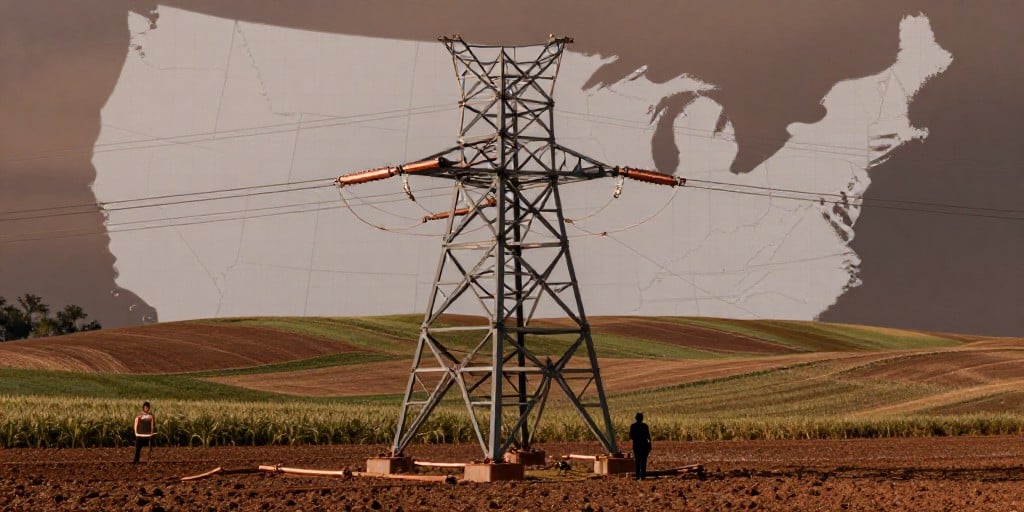
Federal and state governments have accelerated infrastructure spending, with the U.S. Department of Transportation’s recent “Infrastructure Modernization Act” allocating $150 B toward highway, rail, and bridge projects. Nucor’s pipeline of contracts—particularly in the Midwest and Southeast—has seen a 12 % uptick in signed orders, indicating that the firm is successfully capitalizing on this stimulus.
2. Reshoring and Domestic Demand
Manufacturing reshoring initiatives—spurred by geopolitical tensions and supply‑chain disruptions—have intensified demand for domestically produced steel. Nucor’s flexible production mix, dominated by EAFs, enables rapid scaling without the capital intensity of traditional blast‑furnace routes. Analysts note that the company’s capacity utilization rate rose to 84 % from 78 % year‑on‑year, a testament to its ability to absorb new orders swiftly.
3. Electric Arc Furnace Advantage
The industry’s gradual shift from blast furnace to EAF technology has been under‑reported in mainstream analysis. EAFs are more energy‑efficient, have lower capital expenditures, and are better suited for the production of high‑value specialty steels. Nucor, which operates 31 EAF units, has reported a 15 % reduction in CO₂ emissions per ton of steel compared to the 1990 baseline—a metric increasingly prized by sustainability‑focused customers.
Market Outlook and Analyst Forecasts
Consensus estimates from the Wall Street research community project a 23 % rise in FY2027 EPS and a 16 % increase in revenue, buoyed by the company’s robust backlog and the sector’s projected growth trajectory. The consensus forecast hinges on several assumptions:
- Steel Prices: Analysts assume a moderate decline in spot prices, offset by the firm’s ability to maintain high margins through cost efficiency and premium pricing for specialty steels.
- Demand Elasticity: A 5 % increase in domestic demand for rolled steel products is expected to lift overall consumption.
- Competitive Positioning: Nucor’s market share is projected to climb from 18 % to 20 % in the U.S. steel sector, driven by its operational agility and lower environmental footprint.
Risks That May Undermine Growth
While the narrative is optimistic, several risks warrant cautious scrutiny:
Price Volatility The steel market remains highly cyclical. A sudden rebound in iron ore prices could erode the firm’s already tight margins, especially if the company is unable to pass through costs swiftly.
Regulatory Uncertainty Emerging environmental regulations—such as stricter carbon pricing or mandatory emissions caps—could disproportionately affect EAF‑heavy producers if they require additional investments in carbon capture technologies.
Competitive Pressure Global steel producers, particularly in China and India, may increase output to capture market share in the U.S., leading to a potential price war that could depress revenues.
Supply‑Chain Disruptions While Nucor’s domestic orientation mitigates some supply‑chain risks, the firm remains exposed to disruptions in the supply of critical inputs such as scrap metal, which could impact production volumes.
Uncovered Opportunities
Beyond the conventional drivers, a few less‑publicized trends could provide Nucor with a competitive edge:
Circular Economy Integration As the circular economy gains traction, the demand for recycled steel will rise. Nucor’s expertise in EAF operations positions it well to capitalize on scrap‑based steel production, potentially commanding a premium price point.
Digitalization of Production Investment in Industry 4.0 technologies—such as AI‑driven predictive maintenance—could further improve efficiency. Preliminary data suggest a 2 % reduction in downtime could translate into a 4 % uplift in operating income over the next fiscal year.
Strategic Alliances Partnerships with automotive manufacturers, which are shifting toward lighter, high‑strength steels, could open new revenue streams. Nucor’s historical collaborations with OEMs indicate a capability to tailor solutions to specific product specifications.
Conclusion
Nucor Corporation’s latest quarterly results signal a robust recovery in a sector historically plagued by volatility. The firm’s financial health, underpinned by a strategic shift toward EAF technology and an expanding domestic order book, aligns with macro‑economic trends favoring domestic steel production. However, investors should remain vigilant to price, regulatory, and competitive risks that could temper growth expectations. Continued monitoring of market dynamics, coupled with a keen eye on emerging opportunities such as circular economy initiatives and digital production technologies, will be essential for fully understanding Nucor’s future trajectory.