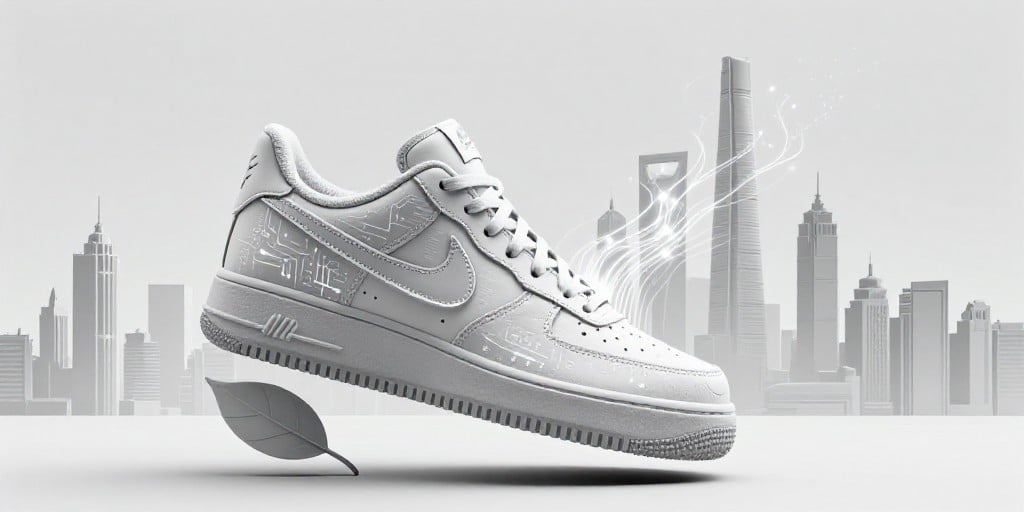
Nike Inc. Navigates a Shifting Retail Landscape in First‑Quarter Earnings
Nike Inc. released its first‑quarter earnings on Tuesday, reporting a mixed performance that has sparked divergent views among analysts. The company posted earnings per share that beat consensus estimates, yet revenue fell short of expectations. This combination of outcomes underscores the nuanced challenges Nike faces as it seeks to balance digital growth with the evolving dynamics of physical retail, while also addressing shifting generational spending patterns.
Digital‑Physical Synergy in the Retail Mix
Nike’s earnings highlight the tension between its robust online sales channel and the more volatile in‑store performance. While the brand’s direct‑to‑consumer digital initiatives—such as the Nike App and the Nike SNKRS platform—continue to deliver higher margins, the brick‑and‑mortar segment remains susceptible to macro‑economic headwinds. Consumer shifts toward experiential shopping are prompting retailers to blend online convenience with in‑store interactivity. Nike’s strategy of integrating immersive technologies (e.g., augmented‑reality try‑on tools and in‑store kiosks) exemplifies how digital transformation can enhance the physical retail experience, potentially driving higher conversion rates among tech‑savvy shoppers.
Generational Spending and Brand Loyalty
The company’s performance is also a reflection of generational spending habits. Millennials and Gen Z consumers—who prioritize authenticity, sustainability, and social impact—continue to drive demand for premium footwear and apparel. Nike’s recent product launches that emphasize recycled materials and community‑focused marketing resonate with these cohorts, helping maintain brand loyalty even amid economic uncertainty. Conversely, older demographics, who historically favored the company’s classic designs, are increasingly attracted to more affordable and functional options. This shift necessitates a diversified product strategy that balances high‑margin flagship items with accessible, mass‑market offerings.
Restructuring and Market Consolidation
Analysts note that Nike’s restructuring of its market segments—particularly the consolidation of the Greater China region—has influenced the quarter’s revenue figures. By merging regional operations, the company aims to reduce overhead and streamline supply chains, potentially improving profitability over the long term. However, the immediate impact is a temporary dip in revenue as the consolidation process realigns reporting structures and sales pipelines.
Macro‑Economic Pressures and Competitive Dynamics
Higher interest rates and tightening consumer credit conditions are dampening discretionary spending. In such an environment, Nike must navigate competitive pressures from fast‑fashion retailers and emerging athleisure brands that offer lower price points. The company’s focus on innovation and brand experience is designed to justify premium pricing, but sustaining this advantage will require continuous investment in both product development and digital infrastructure.
Investor Sentiment and Liquidity Management
Nike’s shares fell toward a one‑year low, with trading volumes reflecting heightened investor uncertainty. The company’s filing under Rule 144—reporting the sale of a block of Class B shares by a former officer—signals ongoing liquidity management efforts. While such sales can dilute ownership, they also provide the firm with capital to invest in growth initiatives, such as expanding its digital ecosystem and enhancing store experiences.
Forward‑Looking Outlook
Market participants are awaiting detailed guidance for the upcoming quarter. A clearer picture of consumer sentiment, especially regarding discretionary spending in the United States and emerging markets, will be pivotal. Investors will also scrutinize how Nike’s digital initiatives translate into tangible revenue growth, as well as the effectiveness of its restructuring strategy in boosting profitability.
In conclusion, Nike’s mixed earnings release serves as a microcosm of broader societal shifts—digital transformation, generational change, and evolving consumer expectations—that are reshaping the consumer goods sector. Companies that can weave together robust digital platforms, experiential retail, and adaptive product strategies are poised to capitalize on the opportunities presented by these trends, while those that fail to evolve risk being eclipsed by more agile competitors.