Corporate News
RBC Capital Markets has reaffirmed its positive outlook for Nike, citing potential for further growth and maintaining an out‑perform recommendation. In contrast, commentary from the Motley Fool notes that the company has been experiencing subdued sales in recent years, and that although a new CEO has been appointed to steer a turnaround, the market remains uncertain about how quickly the plan will translate into tangible results. These observations reflect a mixed sentiment around Nike’s current trajectory, with analysts acknowledging progress while highlighting the challenges that remain.
The Digital‑Physical Retail Convergence
Nike’s recent performance underscores a broader industry shift toward hybrid commerce models. Digital platforms now serve not only as sales channels but also as experiential arenas that complement physical stores. The brand’s investment in immersive in‑store technologies—augmented‑reality try‑ons, mobile‑guided navigation, and AI‑driven inventory management—demonstrates how a seamless blend of online and offline touchpoints can drive customer engagement and lift conversion rates.
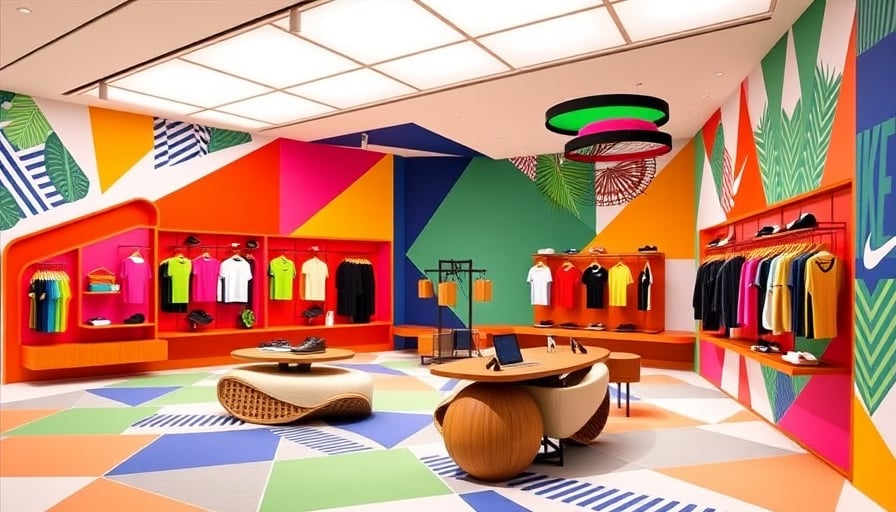
Simultaneously, brick‑and‑mortar locations are evolving into experiential hubs. Nike’s flagship stores in major cities now function as community centers that host training workshops, product launches, and exclusive membership events. By creating a sense of belonging, the company taps into the growing consumer desire for authentic, localized interactions—a trend that has accelerated during the pandemic and is expected to persist.
Generational Spending and Brand Loyalty
Demographic shifts are reshaping consumer priorities. Gen Z and Millennials, who now represent a significant share of discretionary spending, value sustainability, digital convenience, and brand purpose. Nike’s continued emphasis on recycled materials, ethical manufacturing, and transparent supply chains aligns with these expectations. Moreover, the brand’s active social media presence and collaborations with culturally influential artists resonate with younger audiences who prioritize authenticity over traditional advertising.
Conversely, older cohorts (Gen X and Baby Boomers) increasingly seek premium quality and durability. Nike’s expansion of its “Heritage” line, featuring classic silhouettes with modern performance features, caters to this segment while maintaining the brand’s high‑end positioning. By segmenting product offerings, Nike can capture diverse spending patterns across generations, mitigating the risk associated with any single demographic’s market fluctuations.
Cultural Movements and Consumer Experience
Cultural currents—such as the rise of wellness, urban mobility, and experiential travel—are redefining what consumers consider essential. Nike’s strategic partnership with fitness‑tech startups and the launch of smart‑wearable accessories reflect an understanding that physical apparel alone is insufficient; the brand must embed itself into a broader lifestyle ecosystem.
The company’s recent “Future of Sports” initiative, which integrates virtual coaching, real‑time performance analytics, and community challenges, exemplifies how brands can create immersive, data‑driven experiences. These initiatives not only deepen customer engagement but also generate ancillary revenue streams through subscription services, data licensing, and cross‑brand collaborations.
Market Opportunities and Risks
Opportunities
| Opportunity | Rationale |
|---|---|
| Expanded Omni‑Channel Experience | Blending digital touchpoints with experiential retail boosts sales and loyalty. |
| Sustainable Product Lines | Growing demand for eco‑friendly goods fuels premium pricing. |
| Data‑Driven Personalization | AI and IoT integration enhances customer insights and targeted marketing. |
| Cross‑Sector Partnerships | Collaborations with tech and wellness firms open new distribution channels. |
| Localized Store Formats | Community‑focused retail addresses regional preferences and reduces inventory risk. |
Risks
| Risk | Mitigation |
|---|---|
| Economic Volatility | Diversify product tiers to protect high‑margin categories. |
| Supply Chain Disruptions | Invest in agile logistics and near‑shoring initiatives. |
| Consumer Trust Erosion | Maintain rigorous transparency and rapid response protocols. |
| Competitive Innovation | Allocate resources to R&D and speed‑to‑market strategies. |
Forward‑Looking Analysis
The convergence of digital innovation and physical retail, coupled with shifting generational expectations, positions Nike to capture a sizable share of the evolving consumer landscape. While the current sentiment remains mixed—highlighting both promise and uncertainty—strategic investments in experiential retail, sustainability, and data‑centric personalization are likely to translate into sustained growth.
Investors and industry observers should monitor how quickly the new CEO’s turnaround plan materializes, especially in terms of accelerated sales recovery and margin improvement. Additionally, tracking consumer adoption of Nike’s tech‑enabled experiences will provide early indicators of the brand’s ability to lock in the next generation of loyal customers.