
Corporate News
Digital‑Physical Synergy, Generational Spending, and Evolving Consumer Experiences: The Case of Nike Inc.
Nike Inc., a leading global apparel and footwear brand, is poised to report its fourth‑quarter results later this month. Recent indicators point to declining sales in key markets, mounting margin pressure, and persistent inventory challenges. These developments must be examined within a broader context of lifestyle trends, demographic shifts, and cultural movements that are reshaping consumer behaviour and creating new business opportunities. By analysing how digital transformation and physical retail are converging, how generational spending patterns evolve, and how consumer experiences are being re‑imagined, we can discern the pathways through which Nike and similar consumer brands can turn current headwinds into growth avenues.
1. The Digital‑Physical Retail Convergence
1.1. Omnichannel Integration as a Competitive Imperative
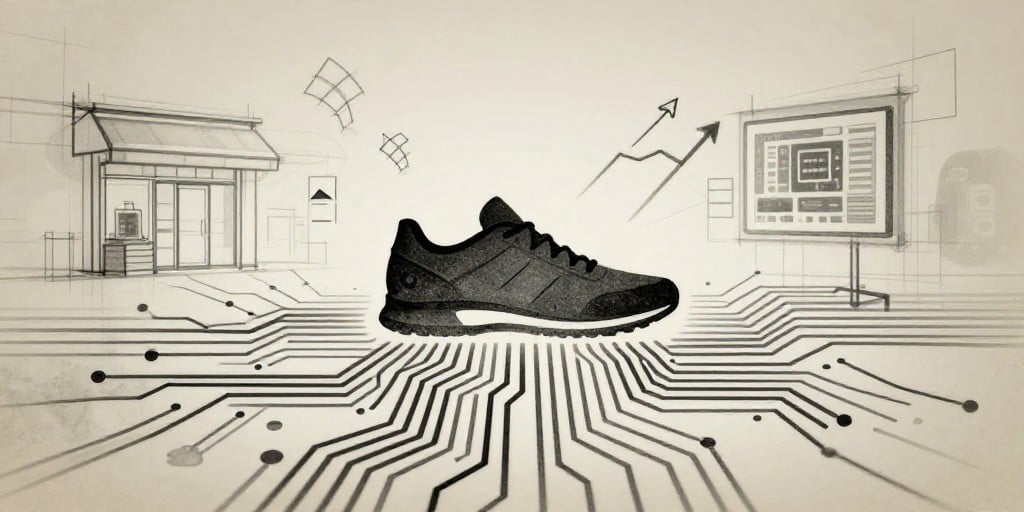
Consumers today expect seamless interaction between online platforms and brick‑and‑mortar stores. The rise of “showrooming,” where shoppers browse in store but purchase online, and “webrooming,” where the reverse occurs, has eroded the traditional retail hierarchy. Nike’s high inventory levels and need to discount aggressively suggest that its physical stores are underutilised relative to online traffic.
Opportunity: Investing in data‑driven inventory optimisation and real‑time demand forecasting can reduce markdowns. Deploying augmented‑reality (AR) fitting rooms and interactive kiosks in stores can enhance the in‑store experience, driving higher full‑price conversion rates. A robust omnichannel strategy that ties together loyalty programmes, personalised recommendations, and instant checkout will be essential to reclaim margin.
1.2. Direct‑to‑Consumer (DTC) Expansion
The DTC channel, especially through Nike’s own mobile app and website, has historically yielded higher margins than wholesale partners. However, the current market conditions—tariffs, slower recovery in Greater China, and shifting consumer price sensitivity—challenge the sustainability of this model.
Opportunity: Enhancing the DTC experience through subscription models (e.g., Nike Membership) and exclusive product launches can reinforce brand loyalty. Leveraging AI for dynamic pricing and personalised promotions can optimise revenue per user while preserving brand prestige.
2. Generational Spending and Lifestyle Shifts
2.1. The Rise of Value‑Conscious Millennials and Gen Z
Both cohorts are increasingly prioritising sustainability, authenticity, and experiential value over sheer brand status. Their willingness to pay a premium is conditional upon perceived environmental stewardship and social responsibility.
Opportunity: Nike’s “Move to Zero” sustainability agenda can be foregrounded in marketing campaigns to resonate with these demographics. Limited‑edition “impact‑wear” that incorporates recycled materials and transparent supply‑chain metrics can justify higher price points and reduce the need for discounting.
2.2. The Health‑First Lifestyle of Generation Alpha
Although still emerging as a consumer group, Generation Alpha’s early exposure to digital health and wellness tools creates a new target for lifestyle products that blend fitness, tech, and fashion.
Opportunity: Collaborating with wearable‑tech firms to embed biometric sensors into apparel can position Nike at the intersection of fitness and data. Co‑creating product lines with digital fitness platforms could generate a new revenue stream and reinforce brand relevance among younger consumers.
3. Cultural Movements and Consumer Experience
3.1. Authenticity and Localised Content
In a post‑COVID world, consumers increasingly value authentic local storytelling. Nike’s global brand must localise its messaging to reflect regional cultural nuances, especially in markets such as Greater China where consumer sentiment remains subdued.
Opportunity: Partnering with local artists, athletes, and influencers to create region‑specific product lines and marketing content can deepen market penetration. Integrating localised AR experiences that highlight regional heritage can elevate store visits to curated cultural events.
3.2. Experiential Retail as a Differentiator
The “experience economy” demands that physical retail locations become destinations rather than mere transaction points. Pop‑up stores, community events, and interactive workshops can transform Nike stores into hubs of cultural relevance.
Opportunity: Hosting community‑based fitness challenges, virtual reality training sessions, and brand‑curated art installations can generate buzz, drive foot traffic, and reinforce social identity around the Nike brand. These initiatives can also provide data on consumer preferences, informing product development and inventory decisions.
4. Forward‑Looking Market Implications
Margin Recovery Through Full‑Price Selling Nike’s management acknowledges that margin stabilization hinges on sustained full‑price selling. Achieving this requires a multi‑pronged strategy: reducing inventory distortion, enhancing omnichannel cohesion, and elevating product differentiation through sustainability and technology.
Investor Sentiment and Pricing Dynamics The upcoming earnings release will be a crucial indicator of whether Nike’s turnaround plan is gaining traction. A modest decline in revenue and a further drop in gross margin, as projected, will likely reinforce caution among investors. However, visible progress in margin recovery and evidence of successful digital‑physical integration could shift sentiment towards a more optimistic valuation trajectory.
Competitive Landscape and Market Opportunities Nike’s challenges are mirrored across the apparel and footwear sector, with competitors accelerating their own omnichannel and sustainability agendas. Firms that can deliver differentiated, experiential retail while maintaining pricing power will capture market share. Nike’s ability to innovate in these areas will determine its long‑term competitive position.
Conclusion
Nike Inc.’s current headwinds reflect broader transformations in consumer behaviour: the blurring lines between digital and physical shopping, the rising importance of sustainability and authenticity for younger generations, and the growing demand for experiential retail. By strategically aligning its business model with these lifestyle trends, demographic shifts, and cultural movements, Nike can convert present challenges into future growth opportunities. The forthcoming earnings report will provide a critical barometer of progress in this evolution, signalling to investors whether the brand’s strategic pivot is translating into tangible market performance.