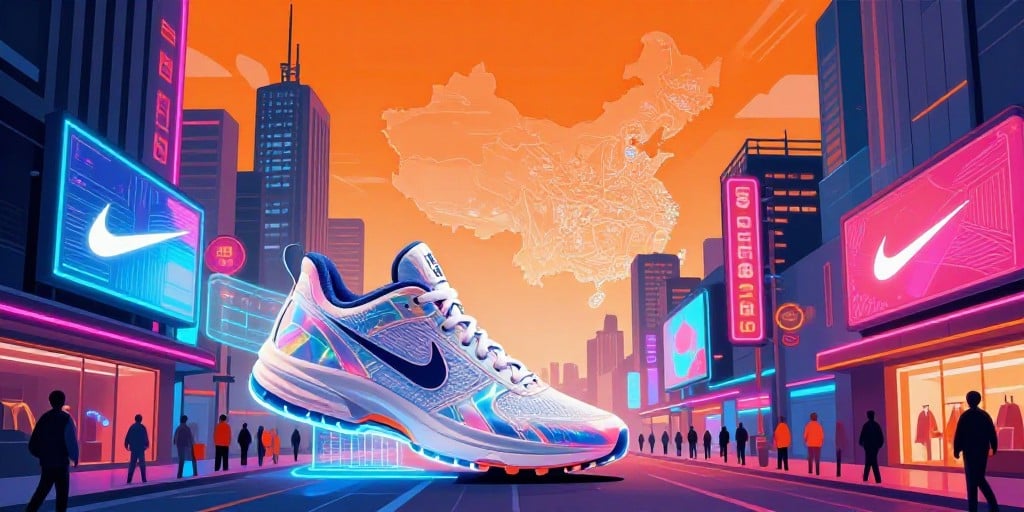
Corporate Analysis: Nike Inc. and the Evolving Consumer Landscape
Nike Inc. remains a focal point for investors as the company approaches its first‑quarter earnings announcement on October 1. Market coverage indicates that the brand’s share price has experienced a prolonged decline, driven largely by weakening demand in China and increasing competition from rival sportswear makers. Analysts from several major brokerage houses have issued mixed guidance. Jefferies has maintained a buy recommendation, citing a potential rebound in North American and wholesale markets and a possible upside following the upcoming earnings release. In contrast, Deutsche Bank and other analysts have lowered target prices, reflecting concerns about margin pressure and slower recovery in key regions.
Insider activity is mixed, with recent purchases by senior executives suggesting confidence in the company’s turnaround strategy, while sales by other board members temper the sentiment. The company is also working to streamline its online presence in China, aiming to improve brand consistency and pricing stability after a period of fragmented distribution.
On a broader market level, Nike’s performance has been compared with other high‑profile names such as Nvidia, which announced a significant share‑repurchase expansion. The technology sector’s strength has helped support major indices, even as oil price volatility and rising Treasury yields have exerted downward pressure on broader equity markets.
The upcoming earnings report is expected to provide clarity on Nike’s revenue trajectory and margin outlook. Options traders are positioning for a potential move, with implied volatility suggesting a possible 8–9 % shift post‑earnings. As the market waits for the results, analysts and investors will be watching closely for evidence that the company’s strategic adjustments are translating into sustainable growth.
1. Digital‑Physical Synergy in the Consumer Experience
The shift toward a seamless integration of digital platforms and brick‑and‑mortar outlets has accelerated over the past decade, driven by the ubiquity of smartphones and the expectation of real‑time personalization. Nike’s efforts to streamline its online presence in China—an effort aimed at restoring brand consistency and pricing stability—illustrate the company’s recognition that a fragmented distribution model can erode consumer trust and compress margins.
Retailers that master omnichannel engagement—offering instant inventory checks, mobile‑first checkout, and in‑store pickup—are better positioned to capture the “experience” value that modern consumers demand. For Nike, this means leveraging its proprietary data analytics to deliver personalized offers and curated product bundles that resonate with different demographic segments, from Gen Z athletes who prioritize authenticity and sustainability to Millennials seeking convenience and brand heritage.
2. Demographic Shifts and Generational Spending
The contemporary consumer landscape is being reshaped by two key demographic forces:
| Demographic Group | Key Traits | Spending Implications |
|---|---|---|
| Gen Z (born 1997‑2012) | Digital natives, value sustainability, short attention span | Prefer fast, socially conscious, and tech‑integrated shopping experiences |
| Millennials (born 1981‑1996) | Brand‑loyal, value quality, flexible with price | Respond well to storytelling, heritage, and loyalty programs |
| Gen X & Baby Boomers | Value reliability, less price‑sensitive | Focus on durability and health‑related apparel |
Nike’s product strategy must align with these traits. The company’s continued investment in eco‑friendly materials and transparent supply chains taps into Gen Z’s sustainability mandate, while its heritage‑centric campaigns appeal to Millennials and Gen X. The brand’s ability to segment offers—e.g., limited‑edition drops for Gen Z versus classic line extensions for older cohorts—creates cross‑generational revenue streams that can offset regional weak points, such as the current softness in the Chinese market.
3. Cultural Movements and Market Opportunities
Several cultural movements intersect with Nike’s core business:
Health‑and‑Wellness Boom – The global trend toward holistic health has amplified demand for performance‑ready apparel. Nike’s expansion into athleisure and wearable tech (e.g., SmartFit line) positions it to capture this segment.
Streetwear Culture – The blurring lines between sportswear and street fashion have given rise to limited‑edition collaborations. These pop‑up events not only drive short‑term sales but also reinforce brand relevance among younger consumers.
Digital Identity and NFTs – Emerging digital assets provide a new revenue avenue. Nike has experimented with NFT collectibles linked to exclusive product releases, potentially generating a loyal community base that drives repeat purchases.
Globalization of Sports – The rise of emerging‑market sports leagues (e.g., soccer in Asia, basketball in Latin America) opens avenues for localized sponsorships and product customization. Nike’s partnership with regional teams could enhance brand penetration in markets where it currently lags.
4. Forward‑Looking Analysis
Revenue Trajectory: While the Chinese market remains a challenge, a rebound in North America and wholesale channels is plausible, especially if Nike continues to optimize its omnichannel footprint and capitalizes on the demand for home‑based fitness wear amid ongoing pandemic‑related lifestyle shifts.
Margin Outlook: Digital transformation can lower distribution costs and improve price elasticity. However, margin pressure may persist if raw material costs rise or if the brand invests heavily in experiential marketing.
Strategic Adjustments: The company’s plan to streamline online operations in China—centralizing pricing and brand messaging—could restore consumer confidence, reduce price‑sensitivity, and improve gross margins. Monitoring post‑earnings data on China’s sales mix will be critical.
Investor Sentiment: Options implied volatility suggests the market anticipates a moderate earnings impact. A favorable earnings surprise—particularly in terms of revenue growth or margin improvement—could reverse the share‑price decline and validate Jefferies’ bullish stance.
Competitive Landscape: Nike’s competitors continue to innovate in sustainability and digital commerce. Keeping pace with, or outpacing, rivals on these fronts will be essential for long‑term competitiveness.
In conclusion, Nike’s current situation exemplifies how corporate fortunes are increasingly tied to broader societal currents. By aligning digital innovation with physical retail, addressing generational spending preferences, and engaging with emergent cultural trends, Nike can unlock new consumer experiences that translate into tangible market opportunities. The upcoming earnings report will serve as a litmus test for how effectively these strategies are being operationalized and whether the company can pivot its declining momentum into a sustainable growth trajectory.