
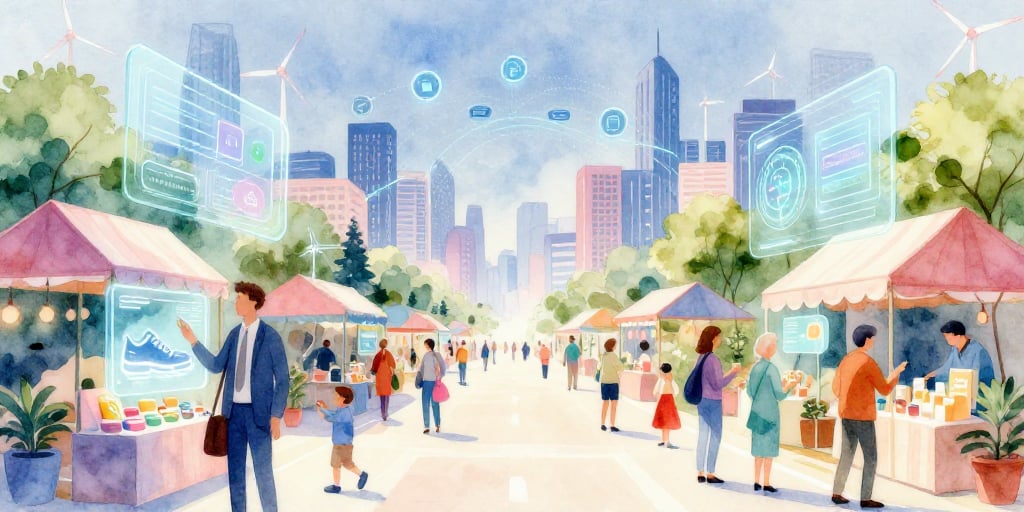
Digital‑Physical Synergy in a Shifting Consumer Landscape
The latest trading session on Wall Street witnessed a modest decline in Nike Inc.’s share price, reflecting a broader pattern of mixed performance across the Dow Jones Industrial Average. While the S&P 500 and the Nasdaq 100 edged higher, the pressure on Nike’s valuation underscored the fragility of consumer confidence in key growth markets, particularly China. Market participants attributed the dip to a subdued demand outlook for Nike’s apparel and footwear segments in the Chinese market—a region that remains pivotal to the company’s international strategy.
The Interplay of Demographic Shifts and Digital Transformation
Nike’s recent experience illustrates a microcosm of larger trends reshaping the consumer sector. Younger generations, notably Millennials and Gen Z, increasingly prioritize experiences over ownership. They gravitate toward brands that seamlessly blend physical retail environments with digital touchpoints—think interactive pop‑up shops, AR try‑on experiences, and data‑driven personalization. As these cohorts mature into the prime spending demographic, companies that can marry in‑store engagement with omnichannel digital ecosystems stand to capture a larger share of consumer spending.
Conversely, older consumers, traditionally associated with higher disposable income, are adopting digital-first purchasing habits at an accelerated pace. This cross‑generational shift signals that retailers can no longer rely on a single channel; instead, they must curate a coherent narrative that spans brick‑and‑mortar, e‑commerce, and social media platforms.
China: A Case Study in Market Volatility
China’s role as a bellwether for global retail sentiment cannot be overstated. The country’s consumer base—now the world’s largest—has seen a gradual shift toward premium, tech‑integrated products. However, recent macroeconomic signals, including slowing GDP growth and tightening regulatory oversight, have tempered enthusiasm for discretionary spending. Nike’s sensitivity to these dynamics highlights a broader challenge: brands with substantial exposure to emerging markets must continually refine their supply‑chain agility and digital marketing strategies to mitigate regional demand shocks.
In practice, this means investing in localized data analytics to predict purchasing trends, partnering with regional influencers to build brand relevance, and expanding direct‑to‑consumer channels that bypass traditional retail intermediaries. By doing so, companies can cushion themselves against macroeconomic fluctuations that otherwise reverberate through international earnings.
The Evolving Consumer Experience
The consumer experience is undergoing a renaissance driven by the convergence of technology, sustainability, and personalization. Digital twins of physical stores allow shoppers to test products virtually before making a purchase, while subscription models and loyalty programs provide tailored offers that resonate with individual lifestyles. Retailers that embed sustainability metrics—such as carbon footprints of products—into the shopping journey are also reaping rewards from a growing demographic that prioritizes ethical consumption.
For Nike, this translates into an opportunity to deepen its direct‑to‑consumer relationship. By leveraging its robust mobile app ecosystem, the company can deliver curated product recommendations, exclusive releases, and community events that reinforce brand affinity. Moreover, the integration of wearable technology data can inform product development, ensuring that new releases align with real‑world performance metrics desired by athletes and casual wearers alike.
Forward‑Looking Opportunities
Omni‑Channel Optimization Retailers should continue to fuse physical and digital touchpoints, creating hybrid spaces that offer experiential value while driving data collection for personalized marketing.
Localized Digital Strategies In high‑growth markets like China, companies must develop region‑specific digital content, partnerships, and distribution models to stay attuned to local consumer behavior.
Sustainability‑Driven Innovation Brands that embed circular economy principles and transparent supply‑chain practices into their offerings will appeal to environmentally conscious consumers, potentially commanding premium pricing.
Data‑Enabled Personalization Harnessing consumer data—while respecting privacy—enables hyper‑targeted campaigns, dynamic pricing, and anticipatory inventory management, thereby reducing excess stock and improving margins.
Generational Cross‑Targeting Crafting experiences that resonate with both younger and older cohorts requires a nuanced understanding of generational preferences, ensuring that product design, marketing messaging, and sales channels are inclusive yet differentiated.
In conclusion, Nike’s share price movement serves as a reminder of the delicate balance between consumer demand and macroeconomic forces. By embracing digital transformation, prioritizing localized strategies, and delivering evolving consumer experiences, companies can translate societal changes into tangible market opportunities. The retail and sporting‑goods sectors that succeed will be those that navigate this intersection with agility, insight, and an unwavering focus on the consumer’s evolving journey.