Nike Inc. Navigates a Transitional Quarter Amid Shifting Consumer Dynamics
Short‑Term Performance vs. Long‑Term Trajectory
Nike Inc.’s latest fiscal third‑quarter results reveal a company in the midst of a strategic reset. While earnings per share marginally exceeded consensus, revenue growth stagnated, and gross margin slipped, the firm’s forward guidance signals a modest 2‑4 % decline in sales for the coming quarter. This short‑term contraction aligns with broader market sentiment that has already manifested in a flurry of revised price targets and downgrades from major research houses such as Citigroup, Wells Fargo, and Goldman Sachs.
The market’s negative reaction, evidenced by a relative strength index falling below 30, underscores heightened sensitivity to Nike’s inventory challenges and a perceived erosion of its direct‑to‑consumer (DTC) moat. Yet, the company’s steady dividend history offers a counterbalance for income‑oriented investors, hinting at a potential stabilisation point in a volatile period.
Consumer Goods Trends and Omnichannel Imperatives
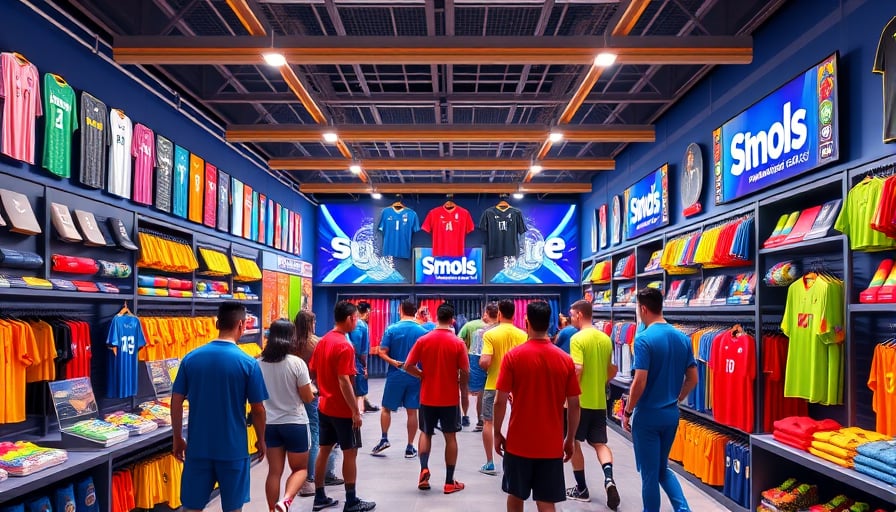
Nike’s experience mirrors a wider pattern across the consumer goods sector, where brands are grappling with fragmented channels and shifting consumer expectations. The rise of experiential retail—combining physical storefronts with immersive digital content—has become a decisive factor in driving brand loyalty. Companies that successfully weave together online and offline touchpoints can better manage inventory, respond to demand fluctuations, and cultivate a personalized customer journey.
Data across apparel, footwear, and accessories indicates a sustained preference for DTC sales, driven by consumers’ desire for authenticity and immediate gratification. However, this shift also amplifies inventory risks, as evidenced by Nike’s current surplus levels. Brands that embed advanced analytics and real‑time supply chain visibility can mitigate these risks, ensuring that inventory levels remain aligned with demand forecasts across regions.
Retail Innovation and Brand Positioning
Nike’s “Win Now” restructuring initiative—targeted for completion by the end of 2026—highlights a strategic pivot toward leaner operations and a renewed focus on high‑margin categories. By streamlining the supply chain, reducing overproduction, and enhancing product‑to‑market speed, Nike aims to reclaim margin pressure that has been exacerbated by restructuring costs and inventory write‑downs.
From a brand positioning perspective, Nike’s messaging has shifted toward “future‑forward” narratives, emphasizing sustainability, digital integration, and community engagement. This rebranding is not merely cosmetic; it serves to differentiate Nike from emerging local competitors in Greater China, where shifting consumer preferences and robust domestic brands have eroded traditional market shares.
Cross‑Sector Patterns and Supply‑Chain Innovations
When synthesizing market data from adjacent consumer categories—such as the rapid adoption of subscription models in beauty and the resurgence of premium, low‑volume production in niche apparel—common themes emerge:
| Category | Emerging Trend | Implication for Nike |
|---|---|---|
| Footwear | “Made‑to‑Order” for select lines | Potential to reduce inventory, increase customization appeal |
| Apparel | “Circular Economy” initiatives | Opportunity to partner with recyclers, enhance sustainability claims |
| Accessories | Limited‑edition drops | Drives scarcity, fuels secondary‑market sales, increases brand cachet |
Nike’s forthcoming fourth‑quarter earnings will be pivotal. A rebound in sales, even if modest, could signal a successful early phase of the restructuring. Conversely, continued weakness may reinforce the need for deeper operational changes and possibly a reevaluation of the company’s valuation.
Conclusion
Nike’s current performance underscores the tension between short‑term market pressures and long‑term strategic imperatives. While the company confronts inventory challenges, margin squeeze, and competitive headwinds in key regions, its commitment to an omnichannel, data‑driven retail model positions it to navigate these uncertainties. Investors and industry observers alike will watch closely to see whether Nike’s structural reforms translate into tangible gains that can sustain its brand leadership in an increasingly complex consumer landscape.