Nestlé India and the Broader Consumer Landscape: A Corporate Perspective
Nestlé India Limited has emerged as a focal point of the current earnings cycle, with market participants projecting a robust second‑quarter performance. Consensus estimates anticipate a net profit exceeding ₹1,000 crore, buoyed by a projected 12–15 % rise in underlying volume and sustained strength in its confectionery and beverage divisions. Management commentary is expected to underline the delicate balance between urban and rural demand dynamics, as well as the implications of commodity price movements—particularly for cocoa, coffee, and sugar. While operating margins are likely to remain largely stable, cost inflation will probably exert pressure on gross profit; nonetheless, EBITDA is projected to grow in line with revenue. The company’s exposure to premiumisation and quick‑commerce platforms is viewed as a key driver of its growth trajectory.
The Interplay of Digital Transformation and Physical Retail
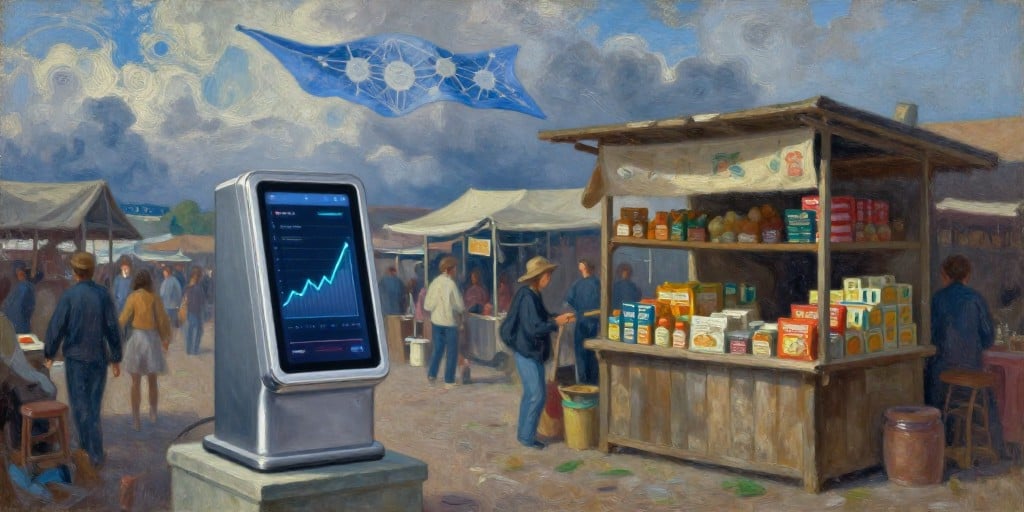
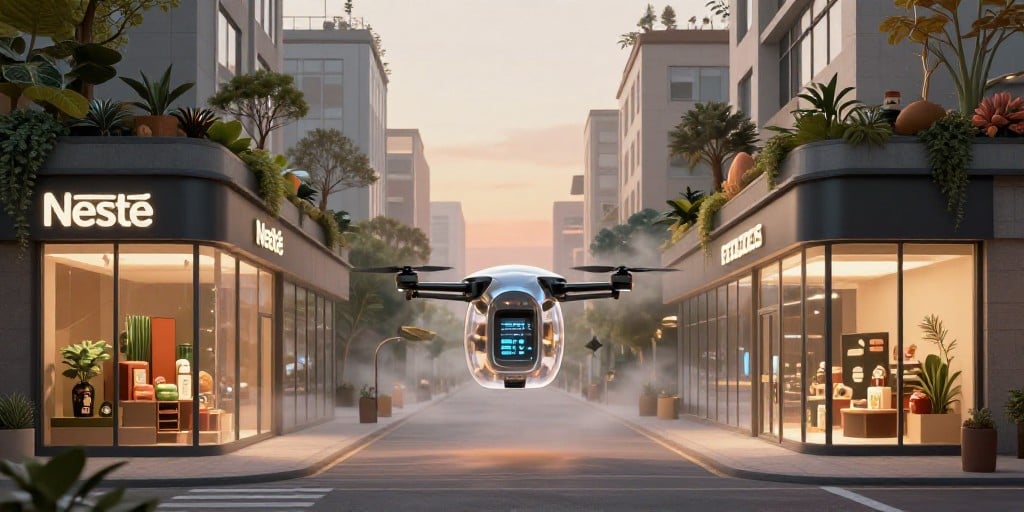
The consumer sector continues to witness a hybrid retail model, where digital channels complement traditional brick‑and‑mortar stores. Quick‑commerce platforms—exemplified by the strategic partnerships that Nestlé India is forging—enable the brand to reach price‑sensitive consumers in tier‑2 and tier‑3 markets while maintaining premium pricing strategies. At the same time, experiential retail—through pop‑up stores, interactive kiosks, and in‑store sampling—reinforces brand loyalty and allows consumers to taste and engage with products before purchase. This duality offers a competitive advantage: digital logistics optimize distribution and inventory, whereas physical touchpoints drive emotional connection and impulse buying.
Generational Spending Patterns and Lifestyle Shifts
The younger cohort (Gen Z and Millennials) exhibits a pronounced preference for convenience, health consciousness, and sustainability. Their purchasing decisions are heavily influenced by digital content, social media, and peer reviews. Nestlé India’s focus on healthier snack options—such as low‑sugar confectionery and fortified beverages—aligns with this trend, while its sustainability initiatives (e.g., carbon‑neutral packaging) resonate with eco‑conscious consumers. In contrast, the older generation continues to value tradition and brand heritage, a niche that Nestlé’s established products, such as its flagship chocolate bars, cater to. By tailoring marketing messages and product portfolios to these distinct segments, the company can capture a broader consumer base and mitigate demographic risk.
Demographic Shifts and Consumer Experience Evolution
India’s demographic momentum—characterised by a youthful population and rapid urbanisation—has reshaped consumption patterns. The rise of dual‑income households and an expanding middle class has increased discretionary spending, particularly in the food and beverage sector. Nestlé India’s strategy to introduce localized flavours and regional variants meets the demand for culturally relevant products, thereby enhancing market penetration. Moreover, the growing acceptance of online grocery shopping, accelerated by the COVID‑19 pandemic, underscores the need for omnichannel capabilities. Companies that successfully integrate digital ordering, home delivery, and in‑store pickup can deliver seamless consumer experiences that drive repeat business.
Market Sentiment and Valuation Dynamics
While the broader Indian benchmark indices—Nifty 50 and Sensex—closed lower, reflecting concerns in financial and pharmaceutical stocks, investor sentiment towards consumer staples has remained resilient. Nestlé’s parent company, Nestlé SA, recorded a modest 1.3–2.1 % rise on the Swiss market, buoyed by steady gains across pharmaceuticals and consumer staples. Analysts caution that the current valuation of Nestlé India’s shares may be high relative to earnings, particularly if margin compression materialises due to volatile commodity prices. Therefore, a selective, value‑oriented approach to new purchases is advised, with an eye on the company’s ability to preserve gross margins amid inflationary pressures.
Forward‑Looking Outlook
- Premiumisation as a Growth Lever
- Continued investment in premium product lines and branding will likely capture higher‑margin segments, especially in urban markets.
- Digital‑Physical Synergy
- Expanding quick‑commerce partnerships and enhancing in‑store experiential retail can drive incremental sales and foster brand loyalty.
- Cost Management
- Hedging strategies for cocoa, coffee, and sugar will be critical to mitigate commodity‑price volatility and preserve margins.
- Sustainability and ESG
- Transparent sustainability reporting and carbon‑neutral packaging initiatives will strengthen stakeholder trust and differentiate the brand in a crowded marketplace.
- Consumer‑Centric Innovation
- Product innovation that aligns with health‑conscious and convenience‑driven lifestyles—such as fortified beverages and on‑the‑go snacks—will position the company favourably against emerging competitors.
In summary, Nestlé India’s strategic focus on premiumisation, quick‑commerce expansion, and consumer‑centric innovation is well‑aligned with the evolving lifestyle, demographic, and cultural trends shaping the Indian market. By navigating commodity‑price risks, capitalising on digital‑physical retail synergies, and delivering differentiated consumer experiences, the company can translate societal shifts into tangible market opportunities, sustaining growth in an increasingly competitive environment.