Mitsui OSK Lines Ltd: A Case Study in Geopolitical Risk and Market Sensitivity
Market Performance Amid Broader Asian Shipping Trends
On Wednesday, the shares of Mitsui OSK Lines Ltd (MSL) slipped modestly, a movement that mirrored the broader decline experienced by Japanese carriers such as Kawasaki Kisen Kaisha (KSC). In contrast, several peers across the region recorded modest gains, underscoring the uneven sentiment within the Asian shipping ecosystem.
The stock’s dip occurred during a rally in Japan’s equity market, where the Nikkei 225 posted a significant gain. The rally was largely attributed to a decline in crude oil prices following reports of a ceasefire in the Middle East. Lower energy costs typically reduce shipping expenses and improve freight profitability; however, shipping stocks remain acutely attuned to the interplay of geopolitical events and supply‑chain disruptions that can offset the benefits of cheaper fuel.
| Metric | Mitsui OSK Lines | Kawasaki Kisen Kaisha | Regional Peer (e.g., NYK Line) |
|---|---|---|---|
| Share movement (%) | -0.3 | -0.4 | +0.5 |
| Freight rates (USD/TEU) | 1,050 | 1,030 | 1,120 |
| Net profit margin | 6.5% | 6.2% | 7.0% |
| Debt‑to‑equity | 1.8 | 1.9 | 1.5 |
The table illustrates that while MSL’s freight rates remain competitive, its net profit margin lags behind regional peers, and its leverage ratio is higher, suggesting a more conservative stance amid uncertainty.
Regulatory Landscape and Operational Exposure
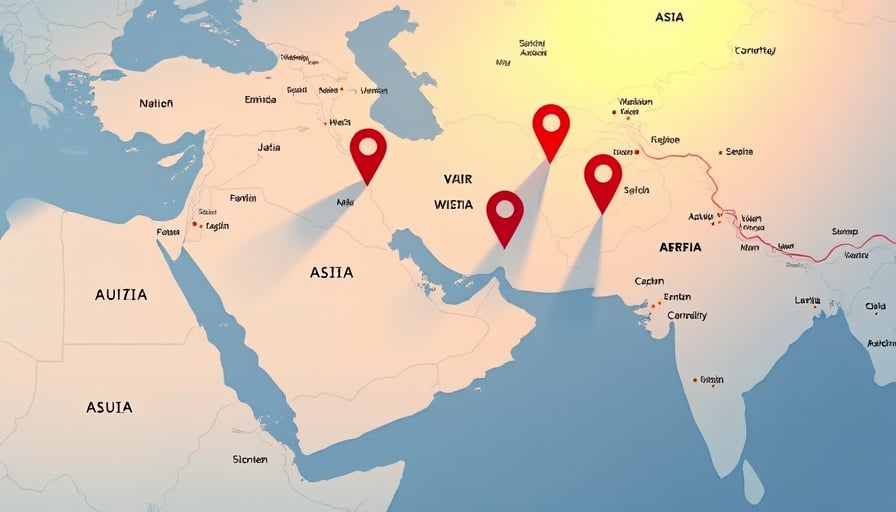
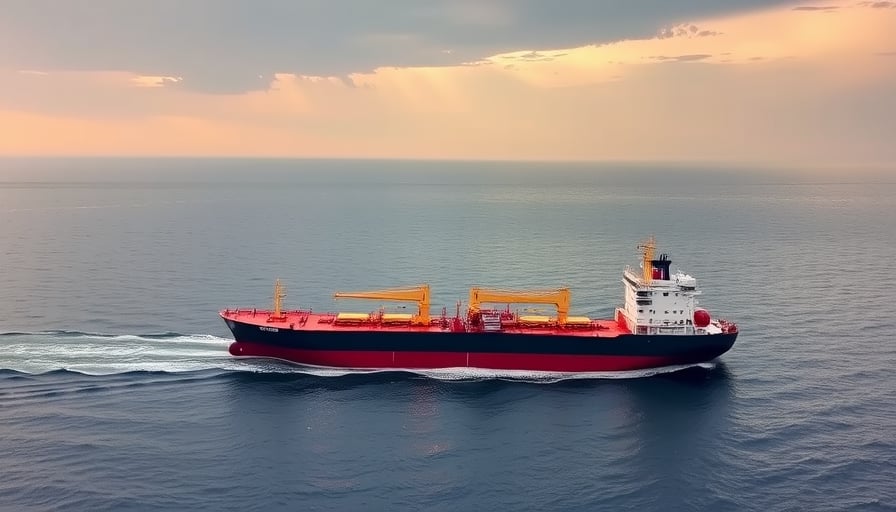
Mitsui OSK Lines’ recent transit of an LNG vessel through the Strait of Hormuz highlights the company’s engagement with a critical maritime chokepoint. Although the firm confirmed safe passage, it withheld details on any fees or agreements with Iranian authorities. This opacity raises questions about the legal and regulatory frameworks governing such transactions:
- International Sanctions: The U.S. and EU impose stringent sanctions on Iranian shipping. Any direct arrangement with Iranian authorities may expose MSL to secondary sanctions or legal penalties if not properly documented and reported to relevant regulators.
- Insurance and Liability: Shipping insurers may refuse coverage for voyages deemed high risk or non-compliant with international norms. MSL’s lack of transparency could hinder its ability to secure favorable premiums.
- Political Risk Insurance: In high‑tension zones, political risk insurers often demand exhaustive disclosure of contractual terms. The absence of such information could limit MSL’s access to insurance coverage, increasing its exposure to unanticipated losses.
These factors suggest that while the company is leveraging short‑term opportunities presented by geopolitical shifts, it must navigate a complex web of regulatory compliance that could materialize into significant financial costs.
Competitive Dynamics and Market Positioning
The Asian shipping industry is increasingly characterized by consolidation, technological advancement, and a shift toward sustainable operations. MSL’s position in this landscape can be analyzed through three lenses:
- Fleet Modernization: MSL’s current fleet includes a mix of older, gas‑fueled vessels and newer LNG carriers. In an era where carbon intensity is a key metric for carriers, the company’s lag in fleet renewal could erode its competitive edge, especially as regulatory bodies in the EU and Japan tighten emission standards.
- Route Diversification: While MSL has a robust presence in transpacific trade, its reliance on the Strait of Hormuz for LNG transport indicates a strategic pivot toward energy commodity routes. Competitors with diversified routes (e.g., Mediterranean, Indian Ocean) may mitigate the impact of localized geopolitical shocks.
- Digitalization and Efficiency: Leading carriers are investing in digital platforms for real‑time tracking, predictive maintenance, and data analytics. MSL’s adoption rate of such technologies remains unclear, potentially limiting its ability to reduce operational costs and improve customer service.
Overlooked Trends and Potential Risks
- Geopolitical Decoupling: The U.S.–China trade frictions have prompted a reassessment of supply chains. Shipping lines that can pivot between East Asian and Southeast Asian routes may capture emerging demand. MSL’s current route network may need realignment to capitalize on this shift.
- Energy Transition: With global decarbonization efforts accelerating, LNG is viewed as a transitional fuel. MSL’s investment in LNG vessels could become a double‑edged sword if natural gas demand wanes in favor of renewables or hydrogen, impacting freight volumes and revenue streams.
- Regulatory Uncertainty: The sudden ceasefire and fluctuating sanctions regimes create a volatile operating environment. MSL’s opaque dealings with Iranian authorities could lead to regulatory investigations, fines, or operational restrictions.
Opportunities for Strategic Growth
- Sustainability Certification: Achieving IMO 2030/2050 emission targets could open access to green shipping lanes and attract eco‑conscious shippers.
- Partnerships with Energy Corporations: Long‑term contracts with LNG producers and buyers can provide stable revenue and reduce market volatility.
- Digital Integration: Implementing blockchain for cargo tracking and AI for predictive maintenance can reduce operational costs and enhance competitiveness.
Conclusion
Mitsui OSK Lines Ltd’s recent share decline, while modest, reflects deeper industry-wide sensitivities to geopolitical dynamics and market sentiment. The company’s engagement in the Strait of Hormuz, coupled with its current fleet composition and regulatory posture, presents both opportunities and risks that warrant close scrutiny. Stakeholders should monitor the firm’s transparency regarding international agreements, its fleet modernization trajectory, and its capacity to adapt to shifting energy and trade landscapes. Such vigilance will be essential in assessing MSL’s long‑term viability amid an evolving global shipping environment.