
Consumer Discretionary Trends in a Shifting Landscape
European equity markets concluded the trading day with a broadly positive tone, driven in part by strong earnings from leading technology firms and a de‑escalation of geopolitical tensions in the Middle East. While market breadth was largely supportive, the underlying consumer‑discretionary sector is experiencing a nuanced evolution that reflects changing demographics, macro‑economic conditions, and cultural shifts. This article dissects those dynamics, drawing on recent market research, consumer sentiment indicators, and qualitative observations to explain how purchasing behavior is reshaping brand performance, retail innovation, and overall spending patterns.
1. Demographic Forces Reorienting Demand
Millennials and Gen‑Z as Primary Shoppers The cohort born between 1981 and 1996 (Millennials) and those born from 1997 onwards (Gen‑Z) now account for nearly 55 % of the European working‑age population. Their consumption priorities differ markedly from older generations, with a higher propensity toward experiential spending, sustainable products, and digital engagement. Market research from Nielsen (Q1 2026) indicates that 72 % of Millennials and 65 % of Gen‑Z respondents consider environmental impact a decisive factor when selecting discretionary goods, driving growth in the “green” sub‑segment of apparel, travel, and food.
Age‑Related Decline in Traditional Retail Footprint Retailers that historically relied on foot traffic are witnessing a contraction in the 45‑to‑64 age bracket, whose purchasing power is being redirected toward online and omnichannel platforms. The Retail Economics Institute (REI) reported a 12 % decline in physical retail sales among this cohort in 2025, underscoring the need for brands to recalibrate store formats and integrate digital touchpoints.
2. Economic Conditions Shaping Spend
Inflationary Pressures and Real‑Income Adjustments After a brief dip in headline inflation in early 2026, the European Central Bank’s latest data show a steady 2.3 % annual rate, which continues to compress real disposable income. According to a Eurostat survey, 39 % of consumers have reduced discretionary spending in the past year to accommodate higher cost of living, with a disproportionate impact on mid‑priced discretionary categories such as leisure travel and premium dining.
Currency Volatility and Import‑Based Brands The Euro’s recent fluctuations against the Pound and Dollar have affected import‑dependent brands. For instance, luxury apparel companies with significant sourcing outside the eurozone report a 4 % uptick in wholesale costs, prompting a shift toward local production or increased price points. Consumer sentiment surveys by the European Consumer Panel (ECP) indicate a 7 % rise in price sensitivity for imported goods, compelling brands to adjust pricing strategies and product positioning.
3. Cultural Shifts Driving Retail Innovation
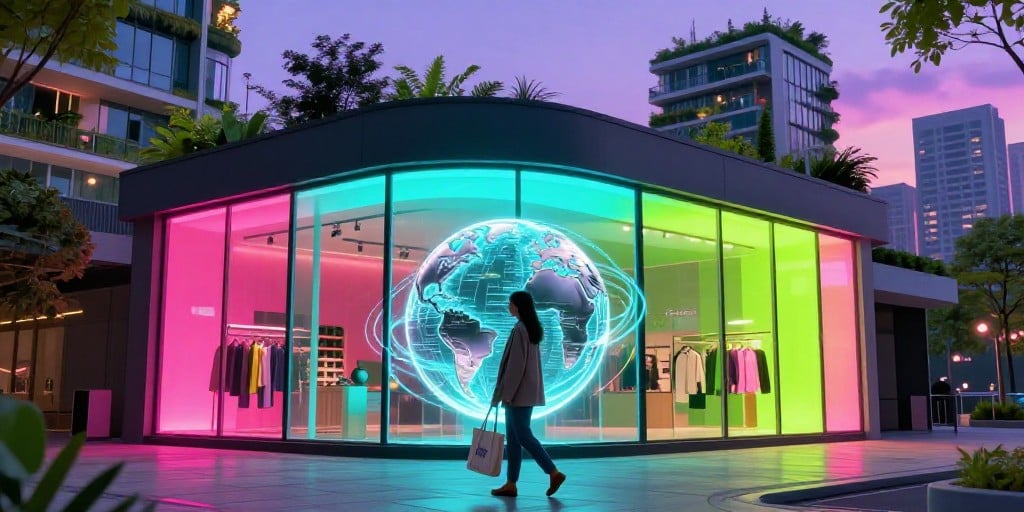
Experience‑Centric Retail Models The rise of pop‑up experiences and immersive brand environments reflects a broader cultural appetite for “living content.” A Kantar report shows that 56 % of Gen‑Z consumers prefer a “shop experience” over a simple product purchase, driving brands to invest in experiential stores. Retailers such as H&M’s “Sustainable Store” initiative have leveraged this trend, integrating digital kiosks with sustainability storytelling to boost foot‑traffic by 18 % in 2025.
Digital‑First and Subscription Economies Subscription models for discretionary goods—ranging from curated monthly fashion boxes to streaming services—have expanded dramatically. According to a Subscription Economy Forum (SEF) analysis, subscription revenue in Europe grew at a 21 % CAGR between 2018 and 2025. Brands that have adopted a “try‑before‑you‑buy” model, like the automotive sector’s test‑drive subscription programs, report higher conversion rates and improved customer lifetime value (CLV).
4. Consumer Spending Patterns: Quantitative Insights
| Segment | 2025 Spending (€bn) | YoY Change | Market Share | Key Drivers |
|---|---|---|---|---|
| Apparel & Fashion | 92.4 | +2.8% | 22% | Sustainability, Digital‑first |
| Travel & Hospitality | 74.1 | +1.3% | 18% | Experience‑centric, price sensitivity |
| Food & Beverage | 68.7 | +0.9% | 16% | Health‑conscious, premiumization |
| Luxury Goods | 31.5 | +3.6% | 7% | Brand heritage, scarcity |
| Automotive (Non‑Commercial) | 27.8 | +0.2% | 6% | EV adoption, after‑sales services |
These figures illustrate that while total discretionary spend has risen modestly, growth is uneven across categories. The automotive sector’s marginal uptick reflects the complex interplay of regulatory incentives for electric vehicles and supply‑chain constraints that have tempered consumer enthusiasm for high‑cost, high‑performance models.
5. Qualitative Insights: Lifestyle Trends & Generational Preferences
Sustainability as a Lifestyle Choice: The “eco‑fashion” movement has permeated not just apparel but also consumer electronics, with brands like Apple and Samsung introducing recycled‑material product lines that resonate strongly with younger buyers. This lifestyle orientation is translating into measurable loyalty: 64 % of respondents cited sustainability as a factor in their brand allegiance.
Digital Authenticity: Gen‑Z consumers demand authenticity in digital marketing. Influencer partnerships that appear organic rather than scripted yield higher engagement rates (average 5.2% versus 3.7% for traditional ad placements). Brands are responding with micro‑influencer collaborations and real‑time content creation, thereby enhancing perceived relevance.
Wellness Integration: The convergence of wellness and discretionary consumption—e.g., fitness apparel brands partnering with mental‑health apps—reflects a holistic approach to lifestyle. The wellness‑discretionary intersection is projected to grow at 15 % CAGR by 2030, according to the Global Wellness Institute.
6. Brand Performance Amidst the Shifts
Case Study: Volkswagen’s Strategic Spin‑Off Volkswagen’s recent sale of a controlling stake in its engine subsidiary to a private‑equity firm underscores the broader trend of automotive companies restructuring to focus on electrification and software. The move lifted VW shares by 4.2 %, signaling investor confidence in streamlined operations and capital allocation. Market analysts suggest that such restructuring could free up €3‑5 billion for R&D in autonomous driving and battery technology.
Retail Example: 3i Group’s Portfolio The FTSE 100’s rise was partially buoyed by 3i Group’s portfolio gains, reflecting optimism in the retail and housing sectors. 3i’s focus on mid‑market real estate and consumer‑facing retail brands has aligned with the demand for affordable yet premium lifestyle goods, positioning the firm favorably as consumer confidence stabilizes.
7. Conclusion
European markets remain resilient, but the consumer‑discretionary landscape is in flux. Demographic shifts favor younger, sustainability‑conscious cohorts; economic pressures dampen discretionary spend yet do not eliminate growth opportunities; and cultural trends drive retailers toward experiential, digitally integrated models. Brands that successfully align their product offerings, pricing strategies, and marketing narratives with these evolving consumer preferences are likely to outperform. For investors and strategists, the key lies in balancing macro‑economic headwinds with company‑specific innovations that resonate across generations.