Corporate News Analysis: Sustainability as a Catalyst for Consumer‑Centric Innovation
Bridging Digital Transformation and Physical Retail
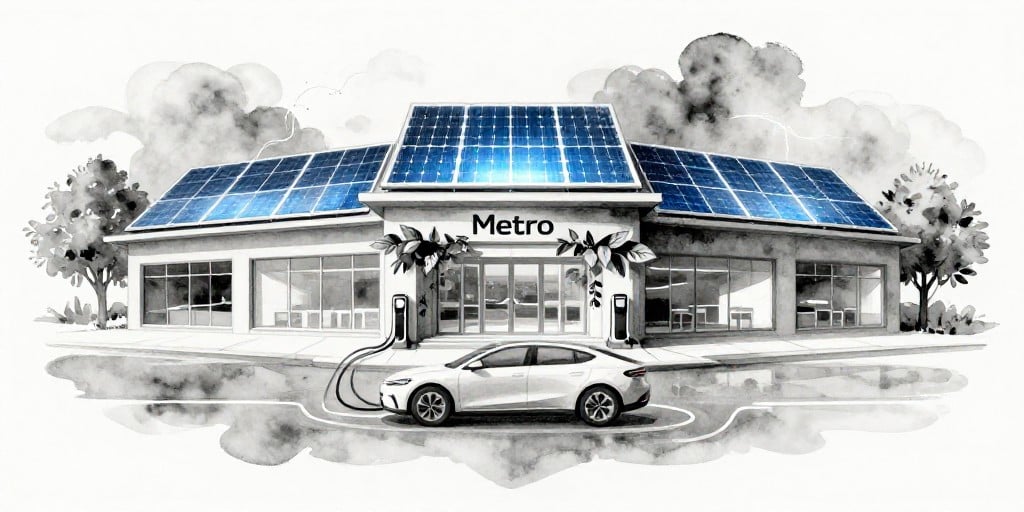
The contemporary retail landscape is undergoing a dual transformation. On the one hand, e‑commerce platforms continue to dominate consumer acquisition, while on the other hand, brick‑and‑mortar outlets are reinventing themselves as experiential hubs. METRO INC/CN’s recent sustainability initiatives—electric‑powered equipment, heat‑recovery technologies, and renewable‑energy integration—represent a strategic pivot that serves both spheres. By reducing operational emissions, the company not only meets regulatory mandates but also aligns itself with a consumer cohort that increasingly associates brand credibility with environmental stewardship.
Digital tools enable precise tracking of carbon footprints and facilitate real‑time inventory optimization, reducing waste. Physical stores, equipped with energy‑efficient HVAC systems and renewable‑powered lighting, can showcase these green credentials through on‑site displays and augmented‑reality experiences. This synergy creates a seamless narrative: consumers can purchase sustainable goods online and verify their provenance in‑store, reinforcing trust across the channel mix.
Generational Spending and the Rise of Conscious Consumption
Demographic analyses reveal that Millennials and Generation Z are the primary drivers of the sustainable‑product market. Their spending patterns are heavily influenced by values such as transparency, circularity, and ethical sourcing. METRO INC/CN’s strategy to engage suppliers under stricter environmental standards directly addresses this demand. By guaranteeing that raw materials are sourced responsibly, the company positions its products as premium offerings that appeal to value‑based shoppers willing to pay a price premium for sustainability.
Furthermore, the firm’s collaboration with local authorities on grid upgrades and onsite renewable generation enhances its narrative of community stewardship. Younger consumers often evaluate brands on their social impact, and tangible evidence of reduced fossil‑fuel dependence can be leveraged in targeted marketing campaigns that resonate on social platforms popular with these demographics.
Cultural Movements and the Circular Economy
The cultural shift toward a circular economy—where products are designed for longevity, repair, and recyclability—creates new avenues for revenue generation. METRO INC/CN’s plan to expand its low‑carbon footprint beyond its own operations dovetails with this movement. By fostering a resilient, low‑carbon supply network, the company can develop closed‑loop programs such as product take‑back initiatives or modular manufacturing systems that reduce material waste.
These initiatives not only comply with tightening environmental regulations in Europe and North America but also position METRO INC/CN as a leader in the emerging green‑tech sector. Investors increasingly favor companies that demonstrate clear pathways to carbon neutrality, and the firm’s proactive stance could translate into higher valuation multiples and enhanced access to sustainability‑focused capital.
Market Opportunities in Consumer Experiences
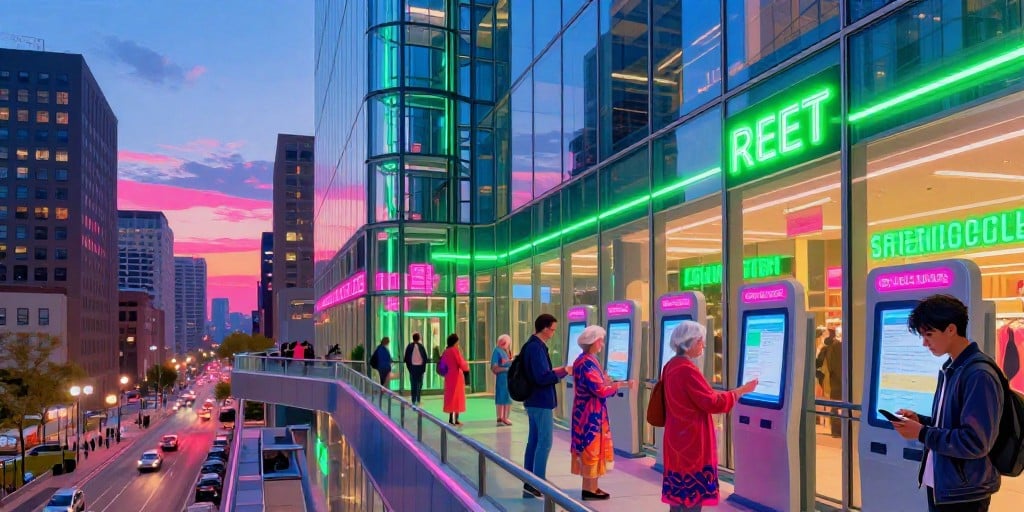
The convergence of digital transformation and environmental responsibility offers compelling opportunities to enhance consumer experiences. Interactive kiosks powered by renewable energy can provide personalized sustainability reports for each purchase, allowing shoppers to see the exact carbon savings associated with their choices. Loyalty programs that reward repeated engagement with green products can further deepen brand attachment among younger consumers.
In addition, experiential retail spaces that showcase the company’s renewable‑energy initiatives—such as on‑site solar farms or micro‑grid demonstrations—can attract media attention and reinforce brand authenticity. These physical touchpoints, augmented by digital storytelling, create a holistic experience that transcends traditional transactional retail.
Forward‑Looking Outlook
As regulatory frameworks evolve, the competitive advantage will increasingly hinge on operational efficiencies derived from sustainable practices. METRO INC/CN’s current trajectory—combining technology upgrades, supplier collaboration, and strategic governmental partnerships—positions it to:
- Reduce Cost Structures: Energy‑efficiency measures directly lower operating costs, improving margins even as raw material prices fluctuate.
- Expand Market Share: Compliance with stricter carbon accounting rules in key regions will allow the company to secure contracts that prioritize low‑carbon suppliers.
- Enhance Brand Equity: Transparent sustainability initiatives resonate with value‑driven consumers, fostering loyalty and premium pricing potential.
- Attract ESG Investment: Demonstrated progress on environmental goals aligns with the growing pool of sustainable investment funds seeking high‑impact opportunities.
In summary, METRO INC/CN’s sustained commitment to green operations, supplier engagement, and public‑private collaboration not only mitigates environmental risk but also unlocks a suite of consumer‑centric opportunities. By integrating digital innovation with physical retail experiences, the company can capture the attention of socially conscious, generation‑Z‑led markets while reinforcing its competitive position in an increasingly regulated global economy.