
Corporate News Analysis: LVMH’s Strategic Moves Amid Shifting Consumer Dynamics
Executive Summary
LVMH Moët Hennessy Louis Vuitton SE has attracted renewed analyst interest following a modest upward revision of its target price by a leading investment bank. The company’s recent announcement of a share‑buyback programme and an interim dividend underscores its commitment to delivering shareholder value. While some market commentators maintain a neutral stance on LVMH’s stock, the broader luxury sector—highlighted by stable performers such as Hermès and EssilorLuxottica—remains a reassuring option amid macroeconomic uncertainty. This article examines LVMH’s actions within the context of current consumer‑goods trends, retail innovation, and supply‑chain evolution, linking short‑term market movements to long‑term industry transformation.
1. Analyst Response and Shareholder Value
The modest target‑price adjustment reflects a cautious yet optimistic assessment of LVMH’s financial trajectory.
- Investment Bank Perspective: The revised forecast acknowledges incremental revenue growth driven by high‑margin luxury goods and a resilient global consumer base.
- Neutral Commentary: Market analysts who remain neutral point to potential headwinds such as inflationary pressures and tightening discretionary spending, particularly in emerging markets.
- Share‑Buyback and Dividend: The buyback programme, coupled with a forthcoming interim dividend, signals confidence in the firm’s cash‑flow generation and reinforces LVMH’s reputation as a shareholder‑friendly entity.
These actions serve as a stabilizing force for investors, reinforcing confidence in LVMH’s long‑term profitability even as broader market volatility persists.
2. Consumer‑Goods Trends and Brand Positioning
2.1. Premiumization vs. Accessibility
- Premiumization: Luxury brands continue to thrive among high‑net‑worth consumers who prioritize exclusivity, heritage, and craftsmanship. LVMH’s portfolio, which spans fashion, cosmetics, and spirits, benefits from this trend, with brands like Louis Vuitton and Dior maintaining premium price points.
- Accessibility: Concurrently, there is a growing demand for “affordable luxury,” a segment that balances price sensitivity with aspirational branding. LVMH’s recent expansion of its product lines in this space—particularly under the Marc Jacobs and Céline sub‑labels—illustrates a strategic shift toward capturing a broader demographic.
2.2. Sustainability as a Differentiator
Sustainability is becoming a critical touchpoint for discerning consumers. LVMH’s commitment to circular fashion initiatives, responsible sourcing, and transparent supply‑chain reporting enhances brand positioning and mitigates reputational risks.
3. Omnichannel Retail Strategies
3.1. Digital Integration
LVMH’s digital footprint has expanded through:
- E‑commerce Platforms: Enhanced online sales channels for key brands, with integrated virtual fitting rooms and AI‑driven product recommendations.
- Social Commerce: Partnerships with leading e‑commerce giants and the launch of “shop the look” features on Instagram and TikTok, targeting Gen‑Z consumers.
3.2. Physical‑Digital Synergy
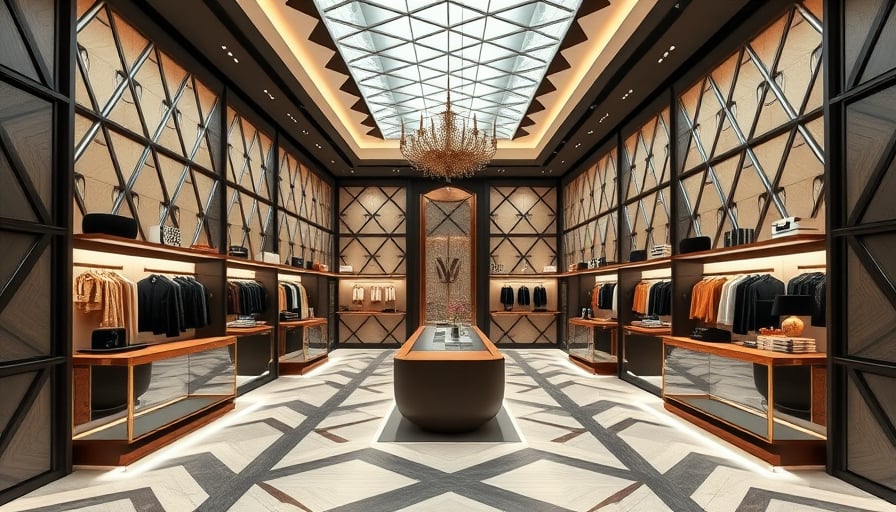
- Experiential Stores: Luxury flagship stores now incorporate digital kiosks, allowing customers to customize products in real time.
- Click‑and‑Collect and Same‑Day Delivery: These services bridge the gap between online convenience and the tactile experience associated with high‑end retail.
The blend of digital and physical touchpoints is essential for sustaining customer engagement in a post‑pandemic retail environment.
4. Consumer Behavior Shifts
4.1. Value‑Seeking Mindset
Economic uncertainty has nudged consumers toward brands perceived as offering long‑term value. LVMH’s portfolio of heritage products, coupled with limited‑edition releases, satisfies this demand for durability and status.
4.2. Experience‑Driven Purchases
Modern luxury shoppers prioritize experiences over mere possession. LVMH’s investment in immersive in‑store events, virtual reality brand storytelling, and exclusive product unveilings caters to this evolving preference.
4.3. Digital Savvy and Personalization
The rise of data‑driven personalization—through AI‑powered analytics and customer‑segmented marketing—has become a competitive differentiator. LVMH’s use of predictive analytics for inventory management and targeted marketing campaigns reduces waste and improves conversion rates.
5. Supply‑Chain Innovations
5.1. Agility and Resilience
Recent global supply‑chain disruptions have spurred LVMH to:
- Diversify Manufacturing Footprints: Shift portions of production to regions with lower risk exposure.
- Implement Advanced Tracking Systems: Deploy blockchain and IoT technologies to trace product provenance and ensure authenticity.
5.2. Sustainability Initiatives
- Circular Production Models: Recycle packaging and refurbish pre‑owned goods, aligning with environmental goals.
- Carbon‑Neutral Operations: Set measurable targets to reduce greenhouse‑gas emissions across the supply chain.
These innovations not only mitigate operational risk but also reinforce LVMH’s commitment to responsible stewardship.
6. Market Context and Sector Benchmarks
- Hermès remains a benchmark for sustained luxury performance, driven by its unwavering focus on craftsmanship and scarcity.
- EssilorLuxottica exemplifies resilience through its diversified product mix and global distribution network, positioning it as a stable investment amid macroeconomic turbulence.
LVMH’s strategy—balancing premium growth, sustainable practices, and omnichannel expansion—aligns with these sector leaders while maintaining a distinctive brand equity advantage.
7. Linking Short‑Term Movements to Long‑Term Transformation
The recent modest upward revision of LVMH’s target price, combined with tangible shareholder returns, signals confidence in the company’s short‑term earnings trajectory. However, the firm’s broader strategic initiatives—embracing digital convergence, sustainable sourcing, and experiential retail—lay the groundwork for long‑term structural change in the luxury market. This dual focus positions LVMH to capitalize on immediate market opportunities while safeguarding against future disruptions, thereby reinforcing its status as a cornerstone investment within the consumer discretionary sector.
Prepared by a corporate news editorial team.