
Corporate Update: Market Dynamics and Strategic Positioning at LVMH
The Paris market closed with a modest uptick for LVMH Moët Hennessy Louis Vuitton, a performance that dovetailed with a broader ascent in the CAC 40 index. The conglomerate’s shares were among several European blue‑chip stocks that advanced, reinforcing a sentiment buoyed by expectations of a U.S.–Iran peace agreement and forthcoming policy announcements from the Federal Reserve and the Bank of England.
Market Performance in Context
LVMH’s gains were part of a broader pattern of upward movement that also included other luxury and consumer staples names. While the technology sector lagged slightly, the index’s rise was underpinned by gains in several high‑market‑cap constituents, with LVMH occupying the largest market‑capitalisation weight within the index. The day’s activity reflected a cautious but optimistic stance among investors, with LVMH’s shares benefiting from a stable trading environment and the continued strength of the broader French market.
Regulatory Compliance and Portfolio Overview
In a separate filing, LVMH disclosed that share transactions carried out between June 8th and June 12th were reported to the French financial markets authority, ensuring compliance with regulatory requirements. The disclosure reiterated LVMH’s broad brand portfolio across wine and spirits, fashion and leather goods, perfumes and cosmetics, watches and jewelry, as well as selective retail and hospitality ventures. No material changes to the company’s strategic direction or financial outlook were noted in the filing.
Strategic Editorial Perspective
Consumer Goods Trends
The modest gains in LVMH’s stock underscore a continued resilience in the luxury consumer sector, even as global economic headwinds persist. Premium brands are increasingly leveraging digital platforms to reach discerning consumers, while maintaining a strong emphasis on product scarcity and heritage storytelling. This dual focus supports sustained demand for high‑margin items and reinforces the importance of brand authenticity.
Retail Innovation and Omnichannel Strategies
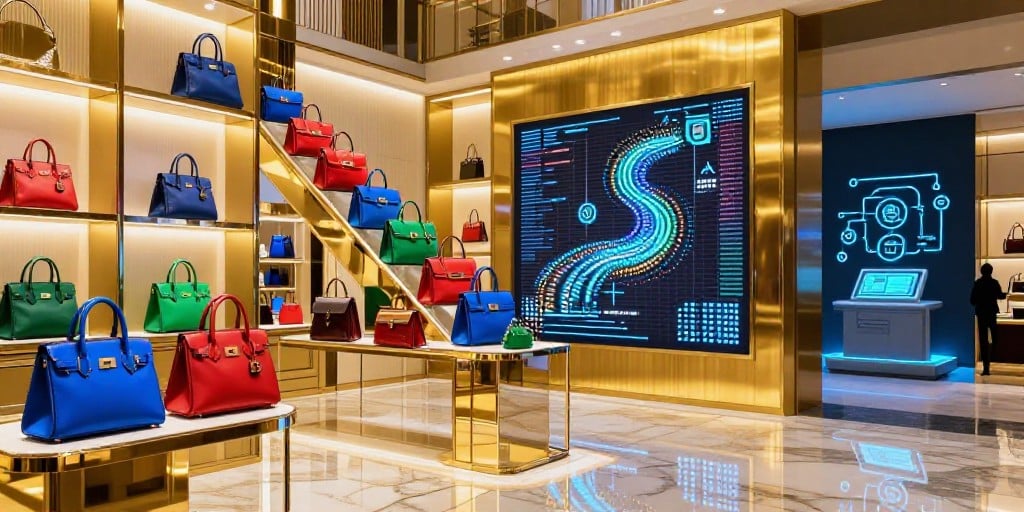
LVMH’s portfolio illustrates the growing convergence of physical and digital retail. The company’s flagship stores, coupled with robust e‑commerce initiatives, provide a seamless customer journey that adapts to evolving shopping behaviours. In particular, the integration of augmented‑reality try‑on experiences and personalized data analytics has enabled the conglomerate to offer differentiated, high‑value services that reinforce customer loyalty and elevate the overall brand experience.
Brand Positioning and Long‑Term Transformation
Brand positioning remains central to LVMH’s long‑term strategy. The conglomerate’s diversified holdings allow cross‑segment collaborations that generate new consumer narratives and reinforce a cohesive luxury ecosystem. By capitalizing on the intersection of heritage and innovation, LVMH is well positioned to navigate shifting consumer preferences, such as the growing emphasis on sustainability, ethical sourcing, and digital exclusivity.
Market Data Synthesis and Cross‑Sector Patterns
Across multiple consumer categories—fashion, cosmetics, wine, and hospitality—there is a discernible trend toward increased direct-to-consumer engagement and a shift toward experiential retail. The following patterns emerge:
| Consumer Category | Key Trend | Implication for LVMH |
|---|---|---|
| Luxury Fashion | Rise in online pre‑orders and virtual fashion shows | Accelerated digital sales channels, reduced inventory risk |
| Cosmetics | Demand for personalized skincare routines | Expansion of AI‑driven product recommendations |
| Wine & Spirits | Shift toward premium, small‑batch offerings | Strengthened niche positioning and scarcity marketing |
| Hospitality | Growth of boutique, experiential stays | Opportunities for vertical integration with brand retail |
These cross‑sector dynamics signal a broader industry transformation where agility, consumer insight, and brand integration are pivotal to sustained growth.
Omnichannel Retail Strategies and Supply Chain Innovation
LVMH’s commitment to omnichannel retail is evident in its seamless integration of physical stores, e‑commerce platforms, and mobile apps. This approach enables real‑time inventory management, personalized marketing, and instant fulfillment, which collectively drive higher conversion rates and improved customer satisfaction.
Supply chain innovations—such as blockchain‑based provenance tracking, automated warehouses, and near‑shore production facilities—enhance transparency and reduce lead times. By adopting these technologies, LVMH not only improves operational efficiency but also reinforces consumer trust in product authenticity, a critical factor in the luxury market.
Short‑Term Market Movements and Long‑Term Industry Transformation
The day’s modest market gains for LVMH illustrate a short‑term consolidation of investor confidence amid geopolitical and monetary uncertainties. However, the underlying strategic initiatives—diversified brand portfolio, omnichannel retail, and supply‑chain digitization—position the conglomerate to capitalize on long‑term structural shifts in consumer behaviour and retail technology.
In the coming years, the luxury industry is likely to witness increased convergence between digital innovation and traditional craftsmanship. Companies that successfully blend heritage storytelling with cutting‑edge technology, as exemplified by LVMH, will be best equipped to lead this transformation.